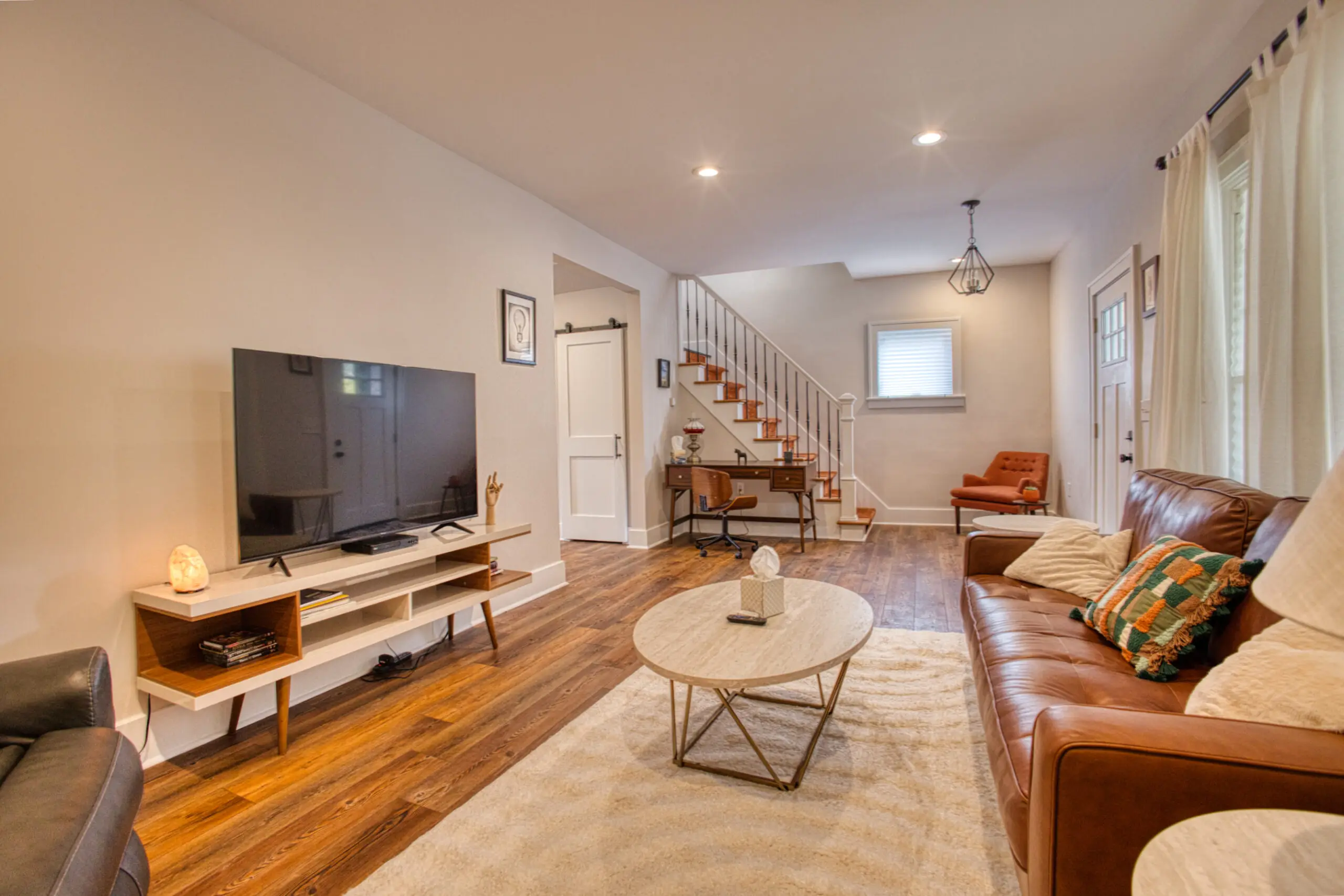
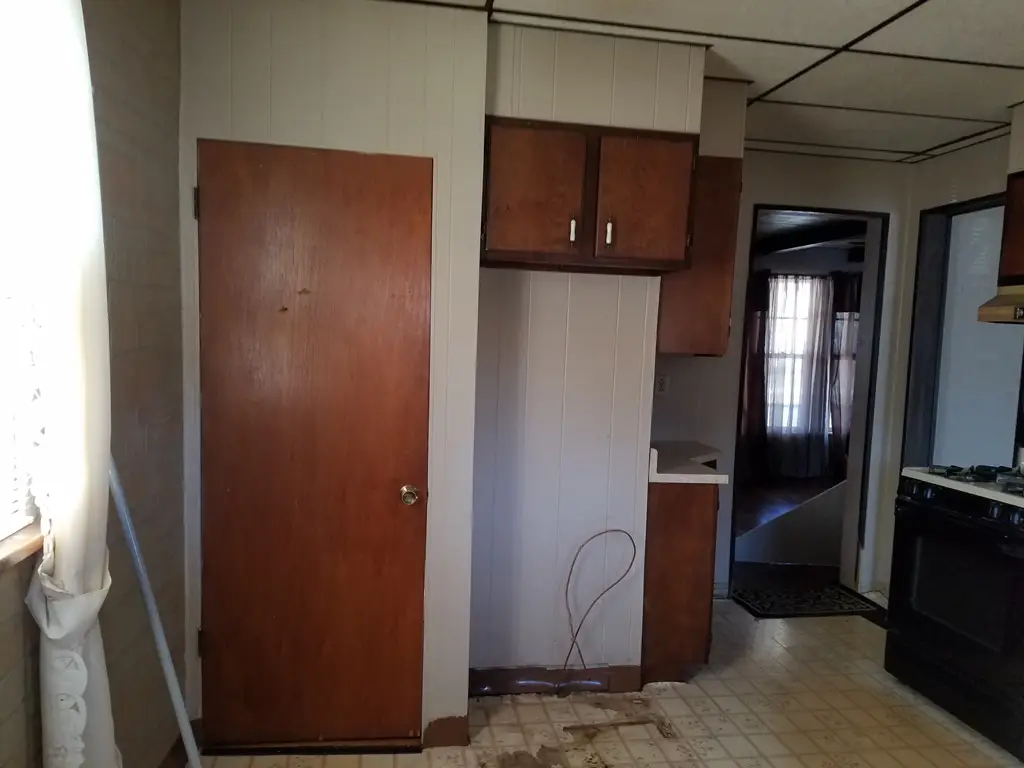
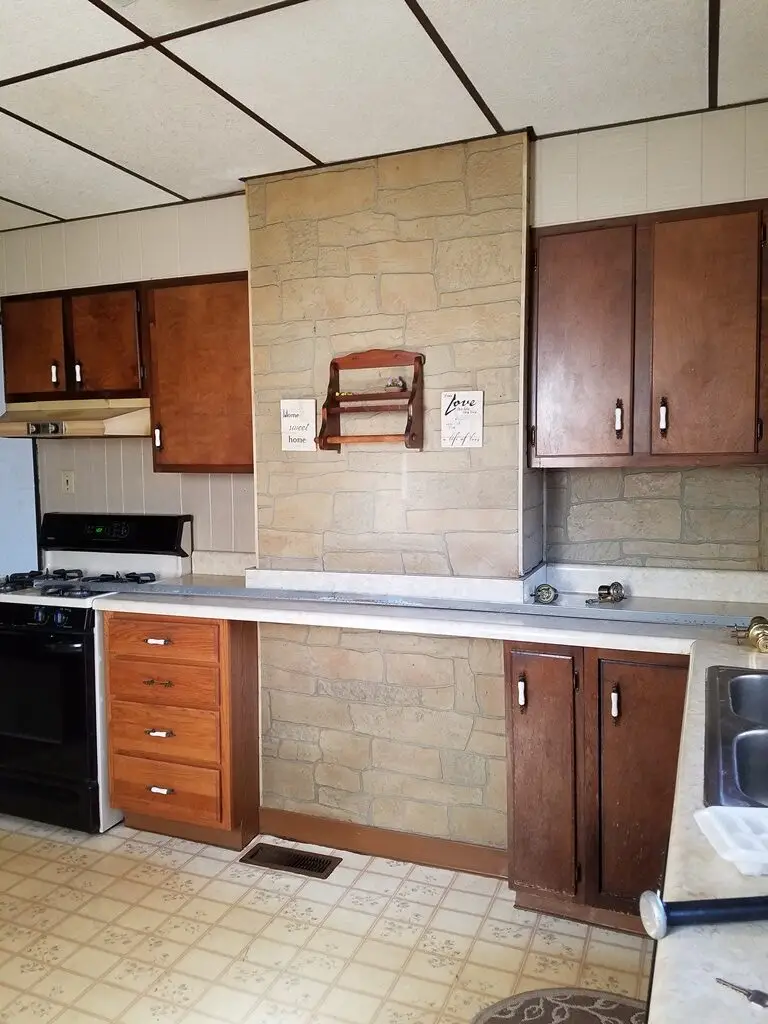
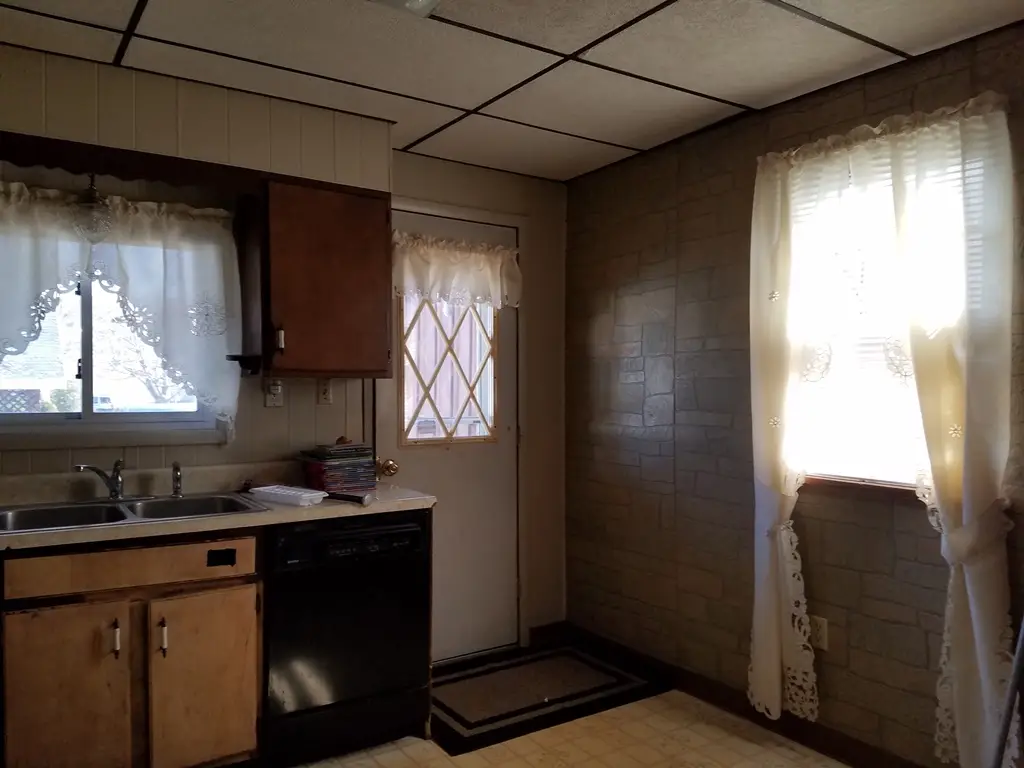
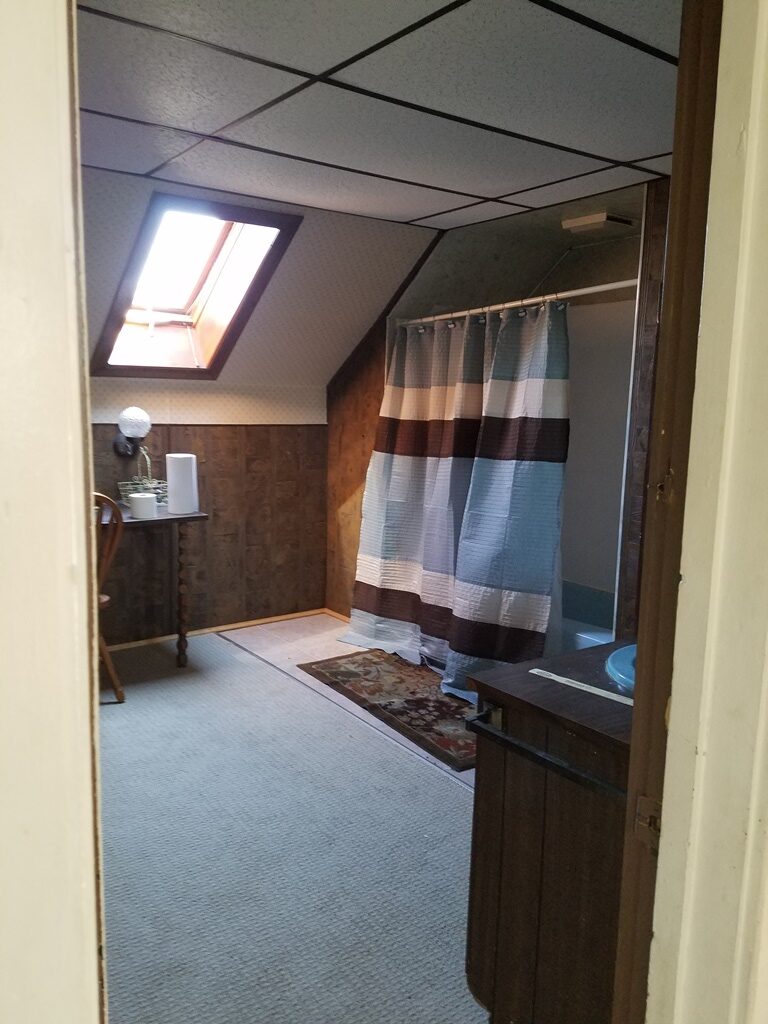
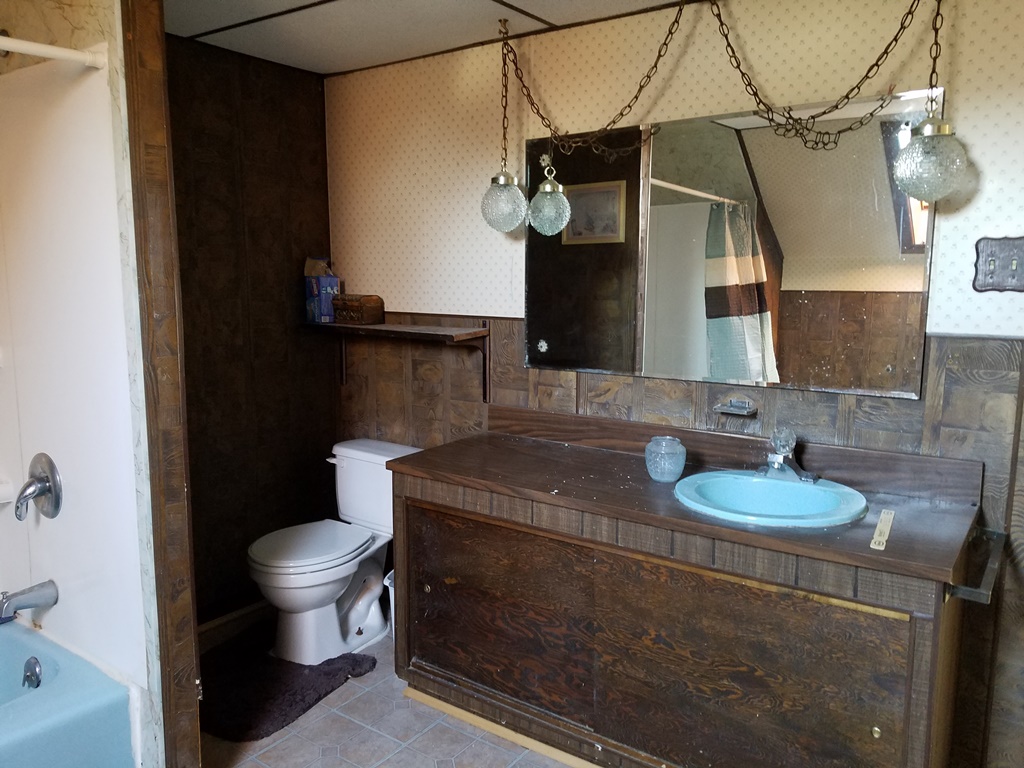
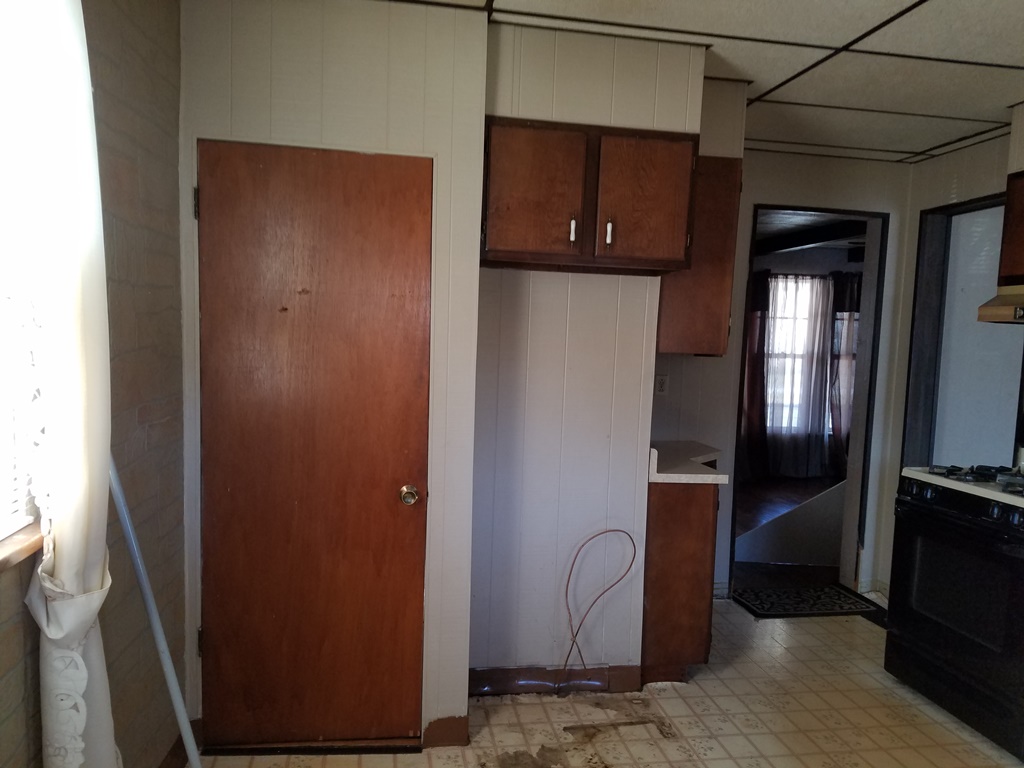
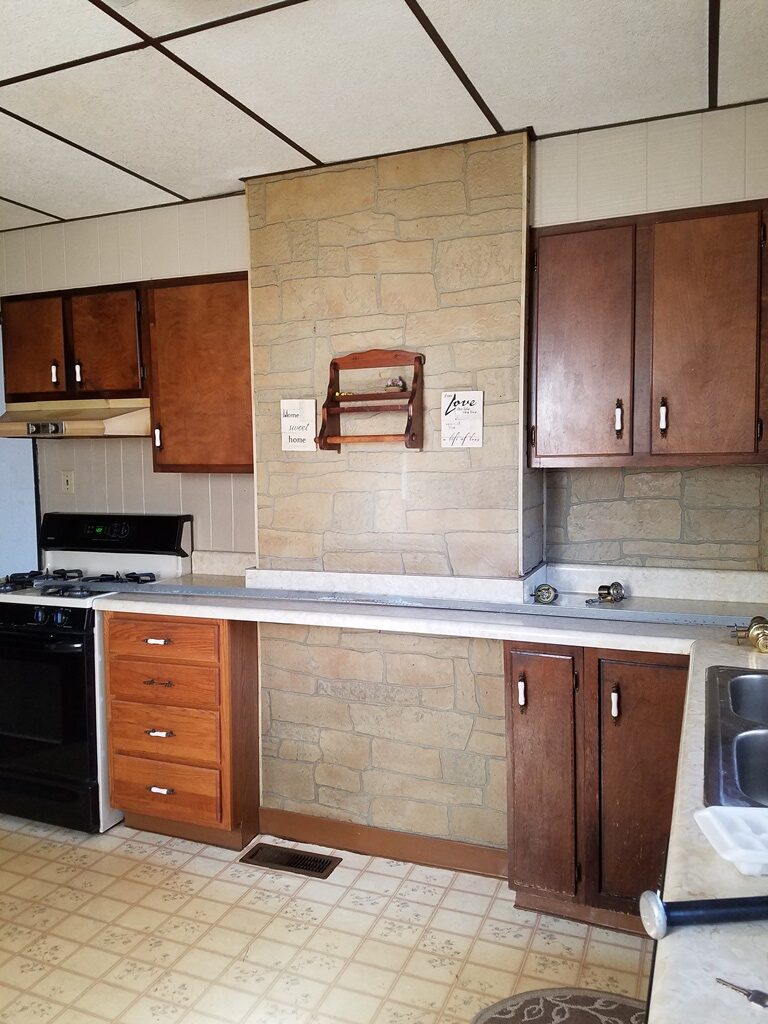
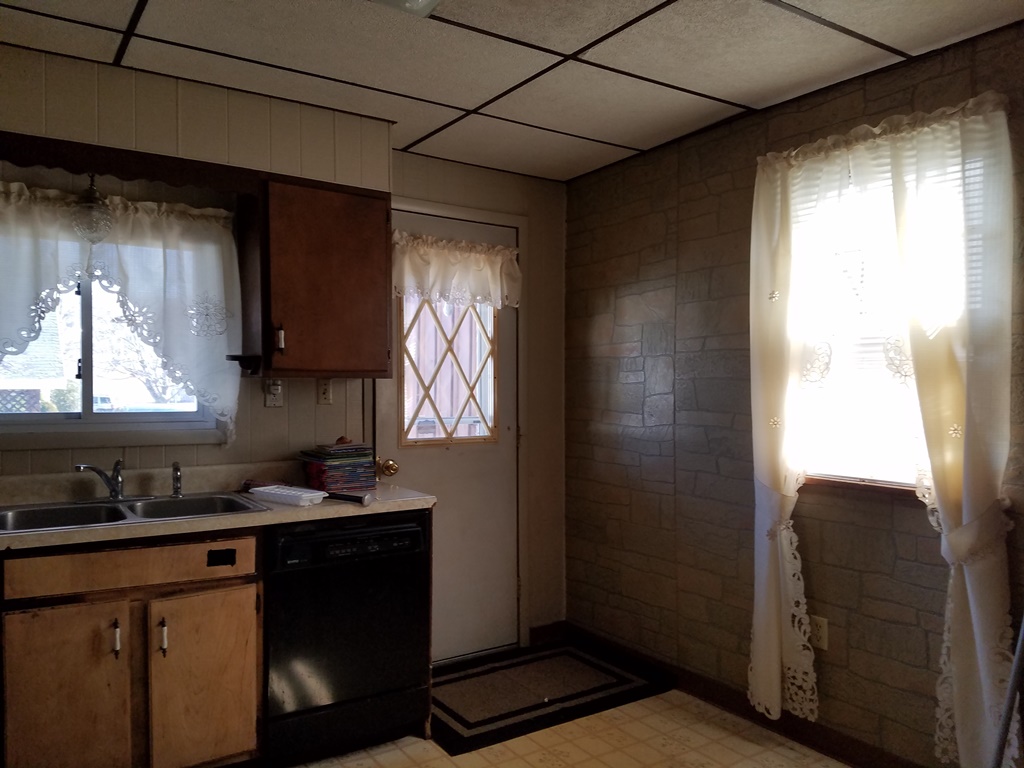
Built in 1925, this Craftsman bungalow had strong bones but decades of layered updates. Paneling covered the walls. Some original window stools and trim were missing. Doors were mismatched. Drop ceilings concealed the original 9 foot ceilings. The house felt like a collection of eras rather than one cohesive home.
Each floor measured roughly 700 square feet, and expansion was not an option. The lot was compact, so every inch mattered inside and out.
Reworking the First Floor
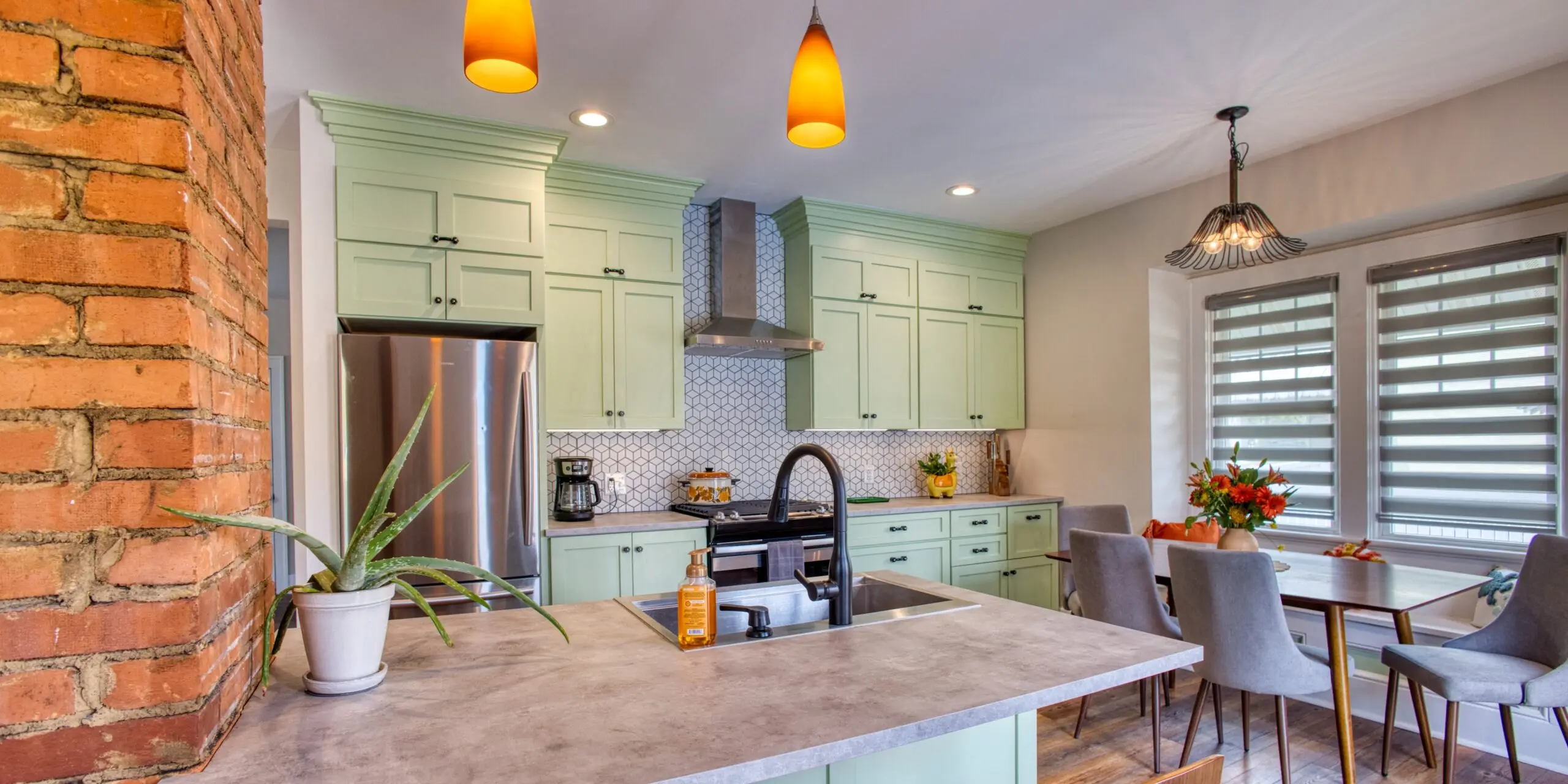
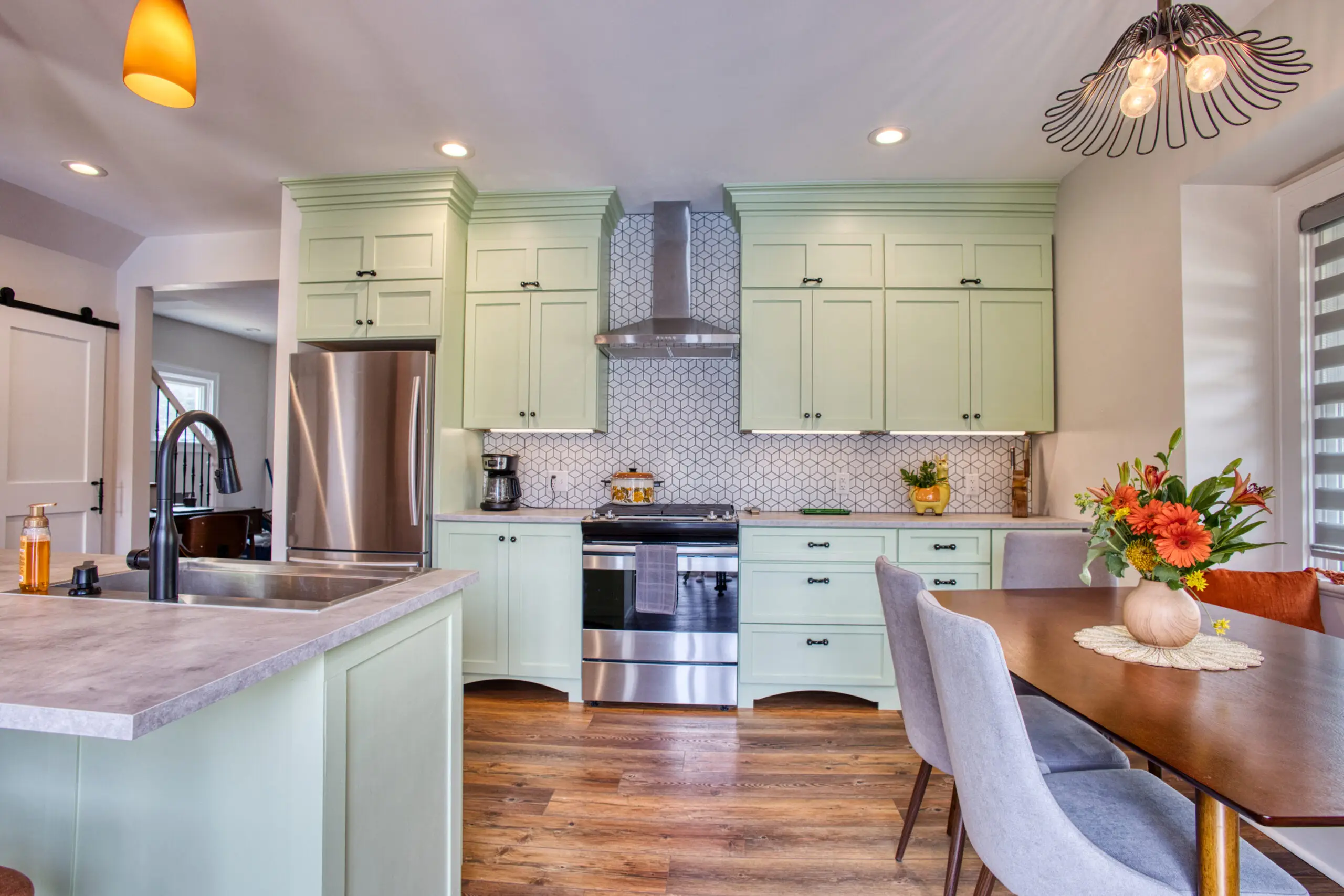
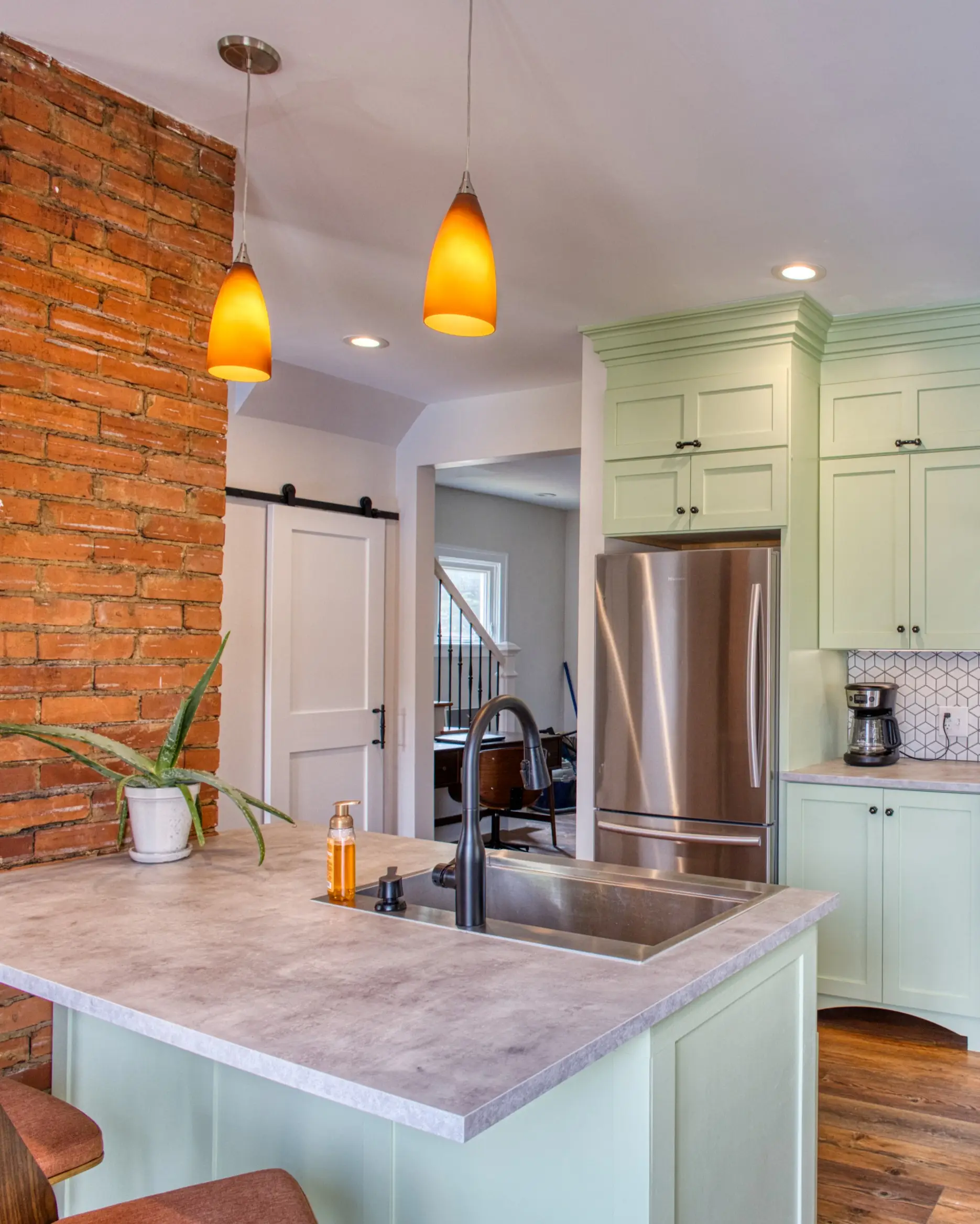
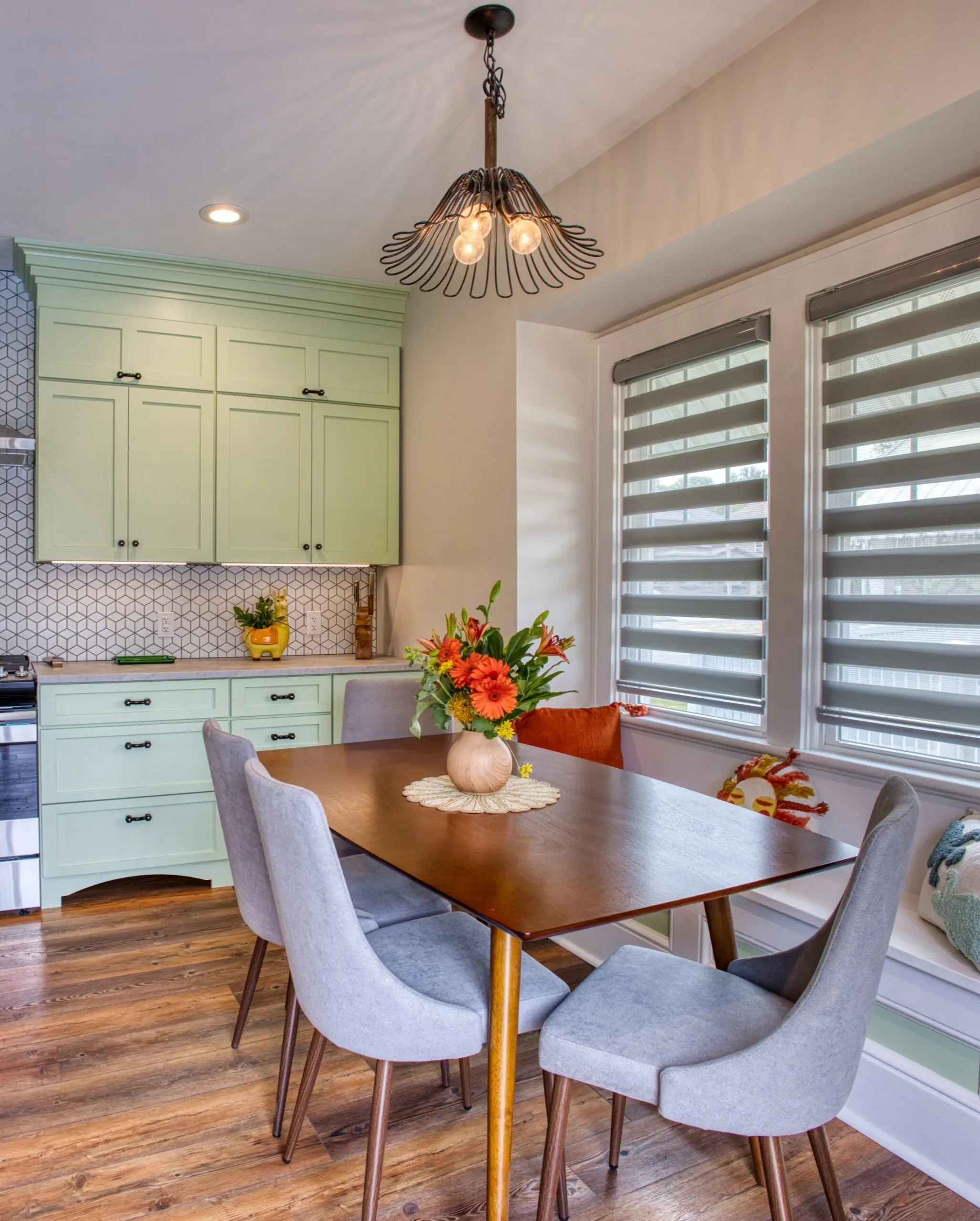
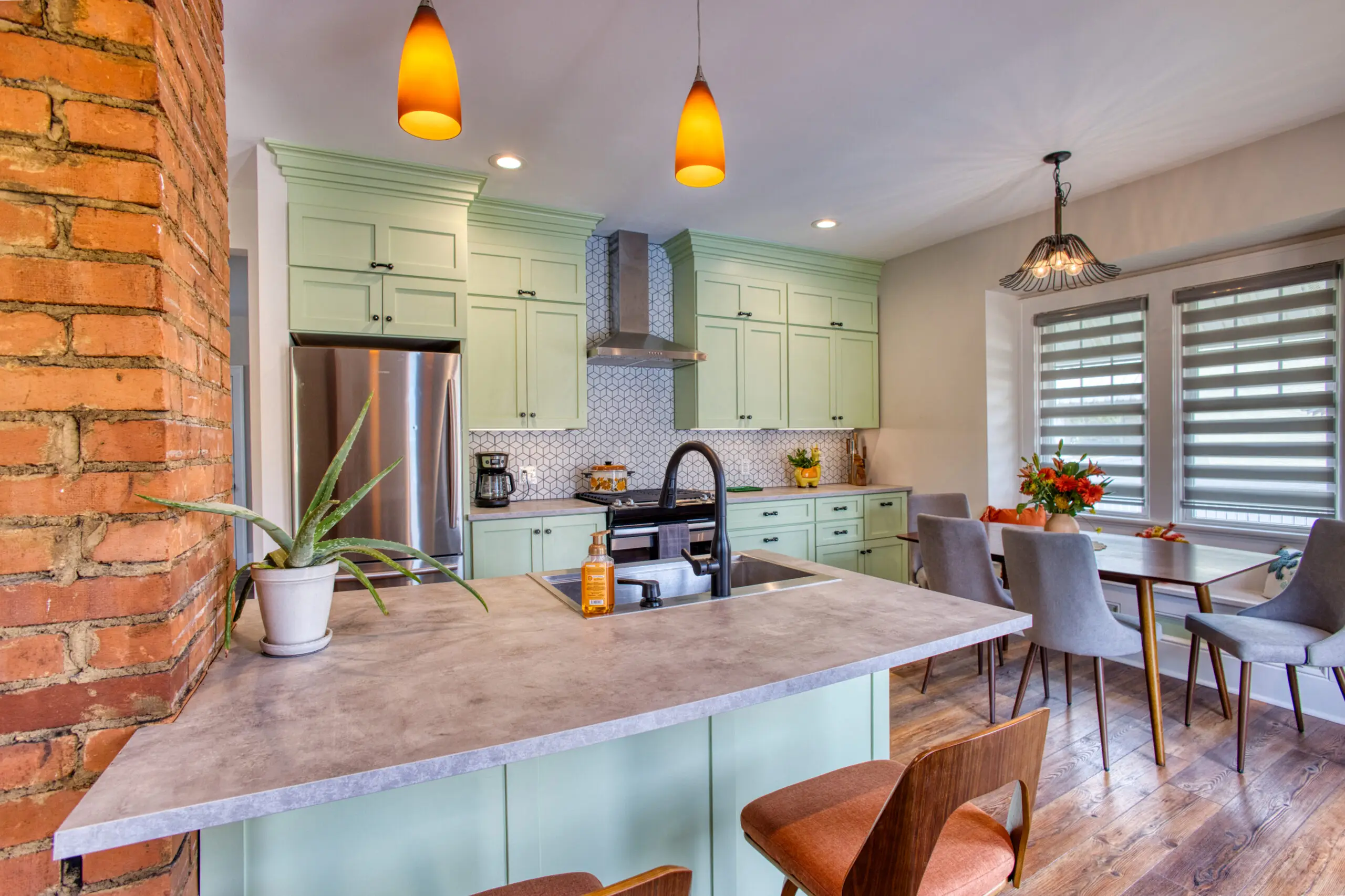
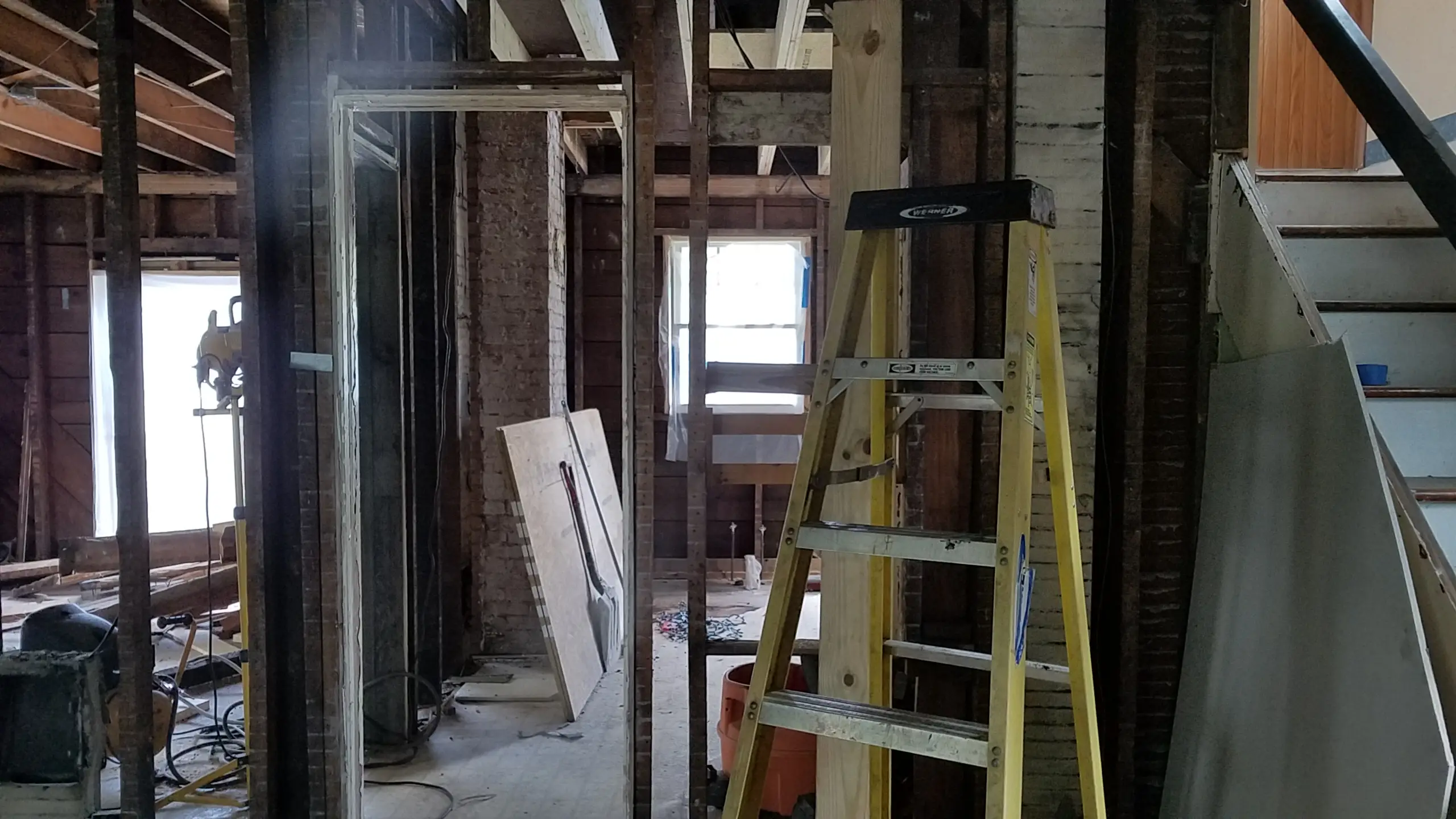
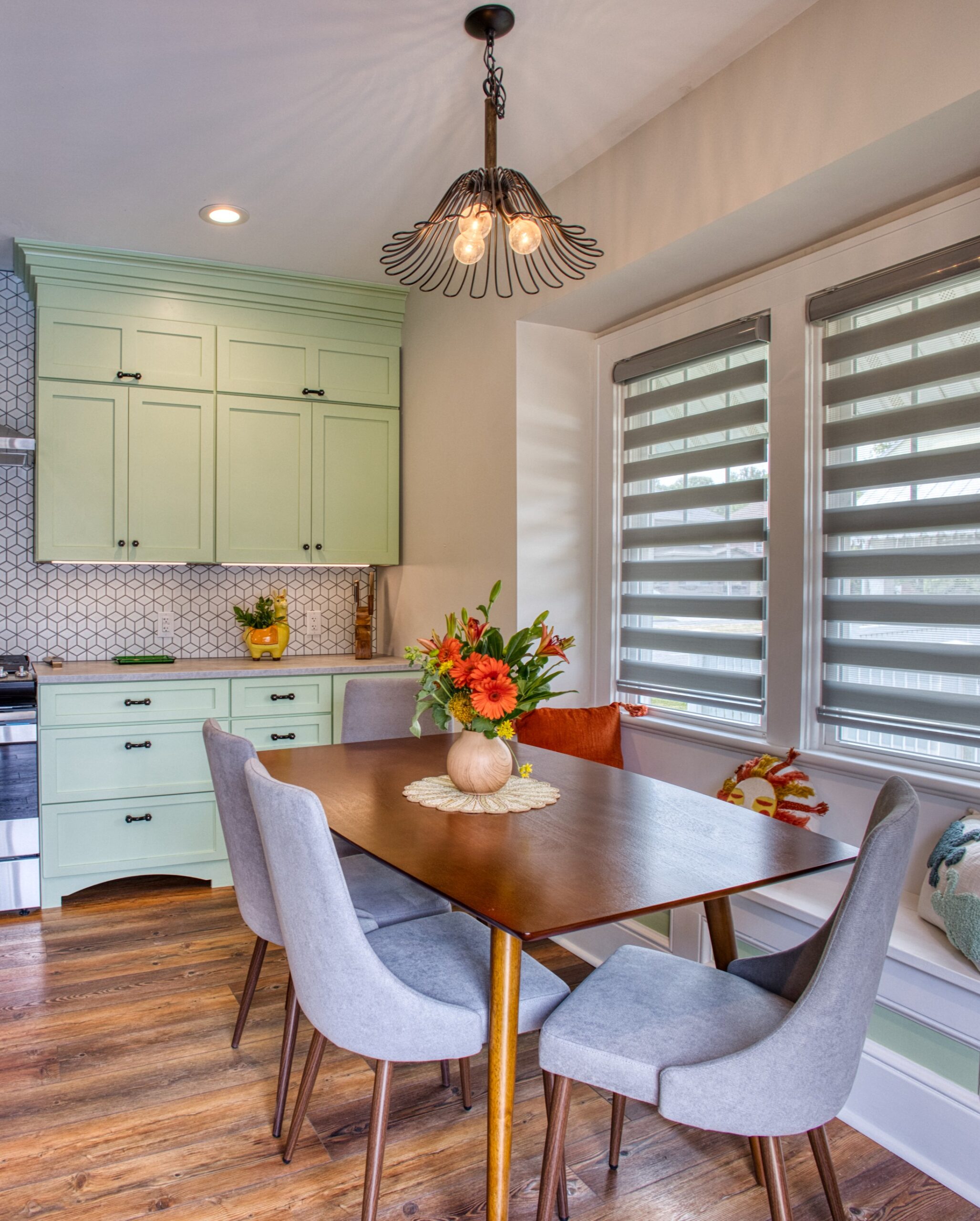
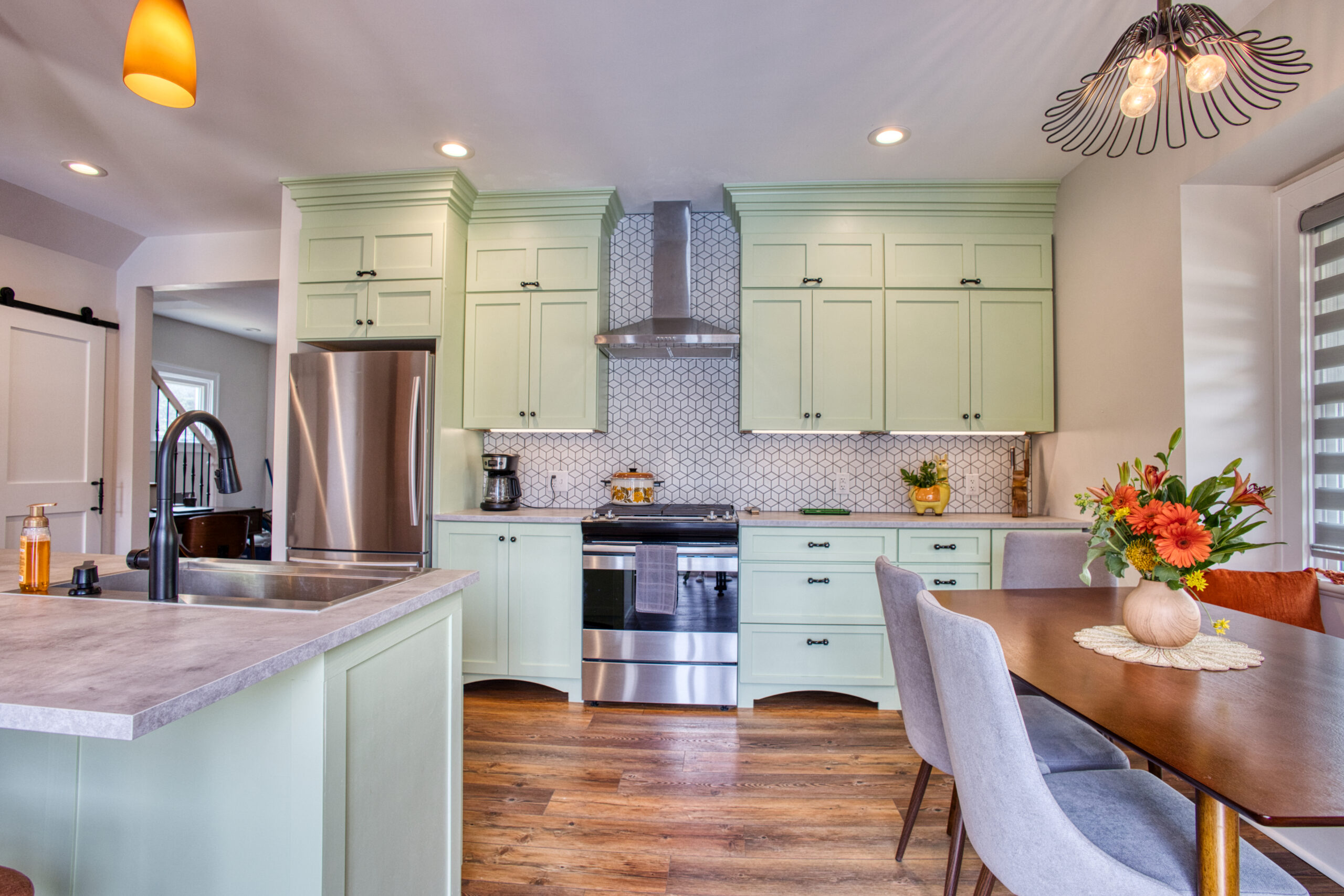
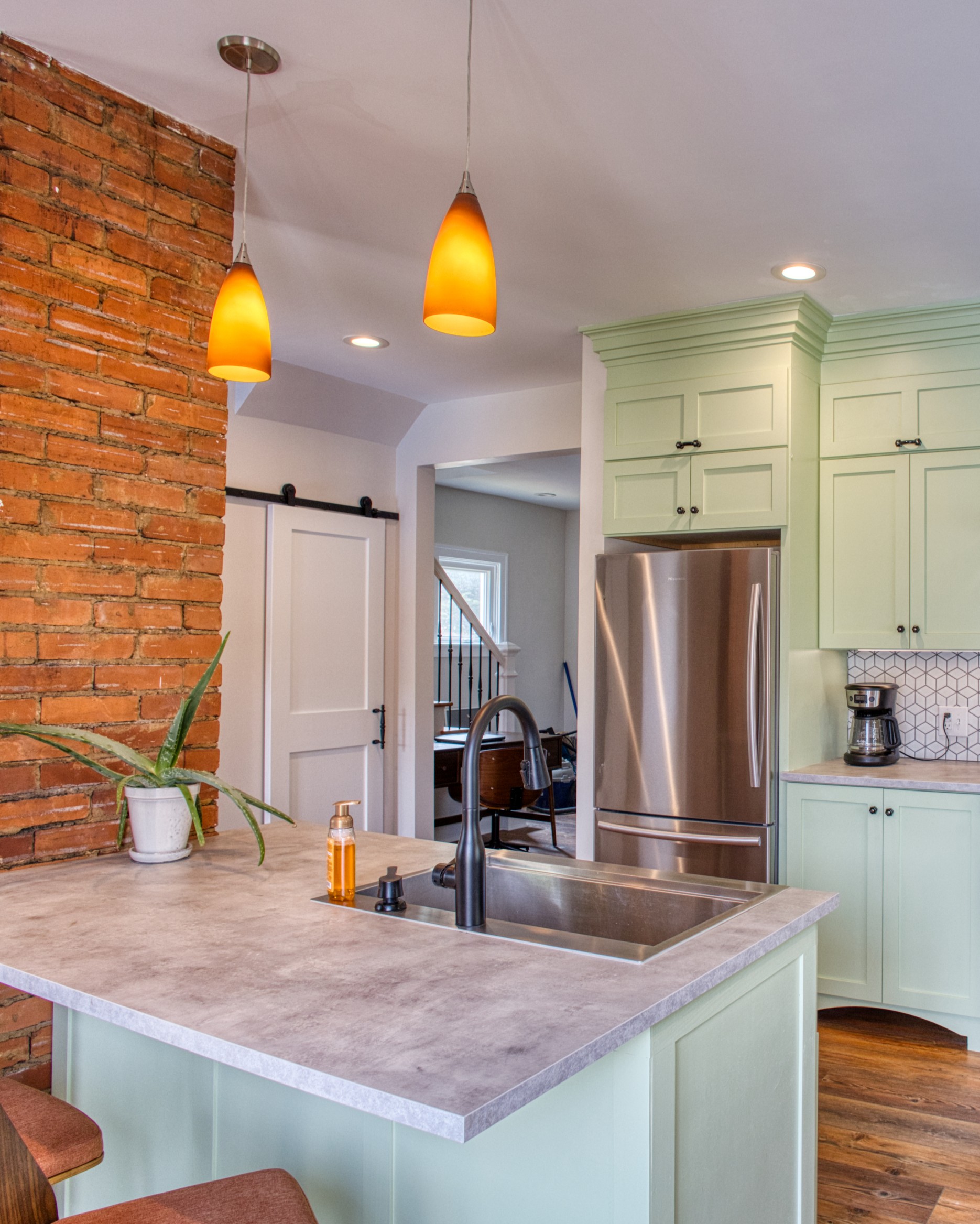
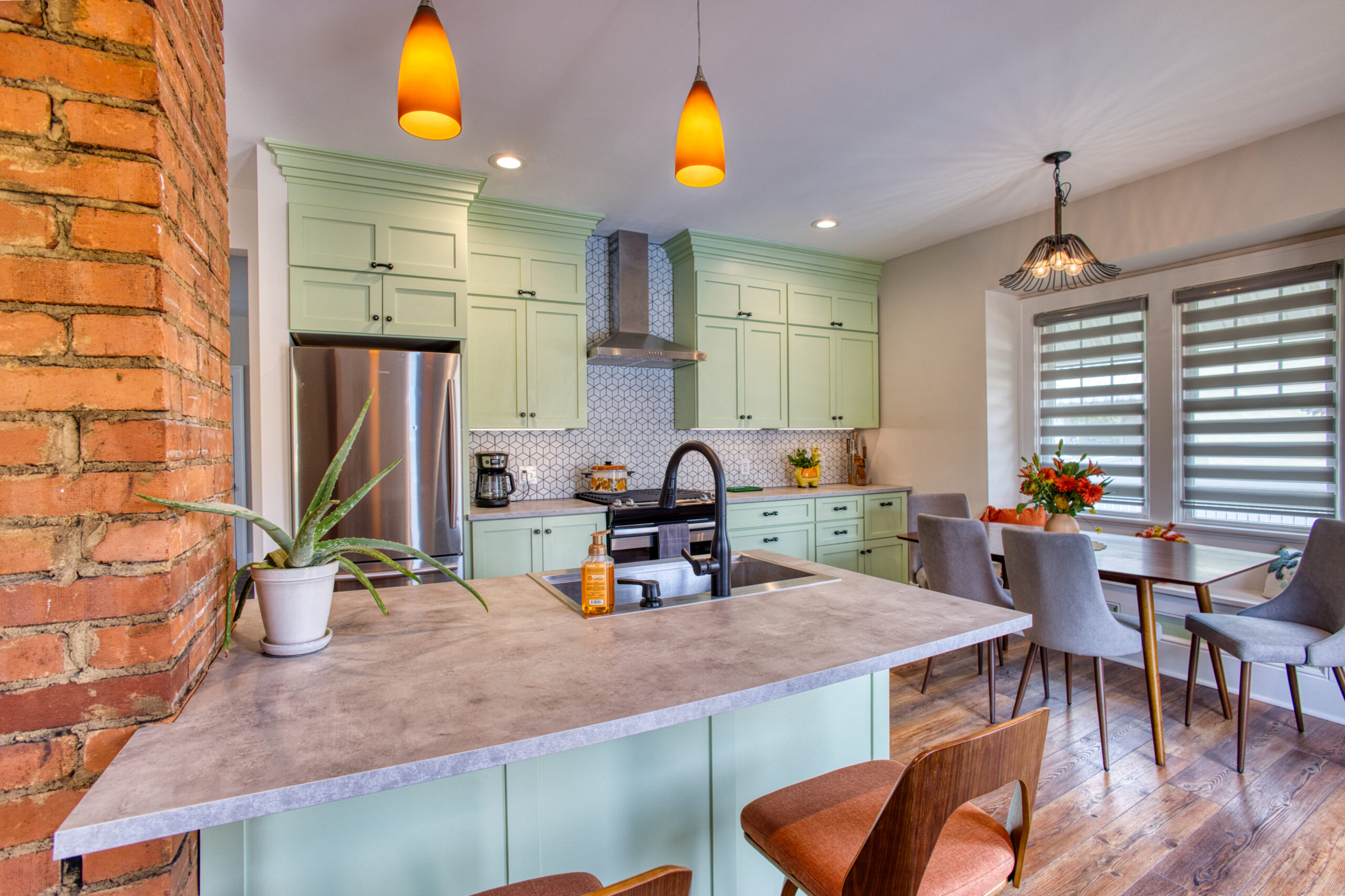
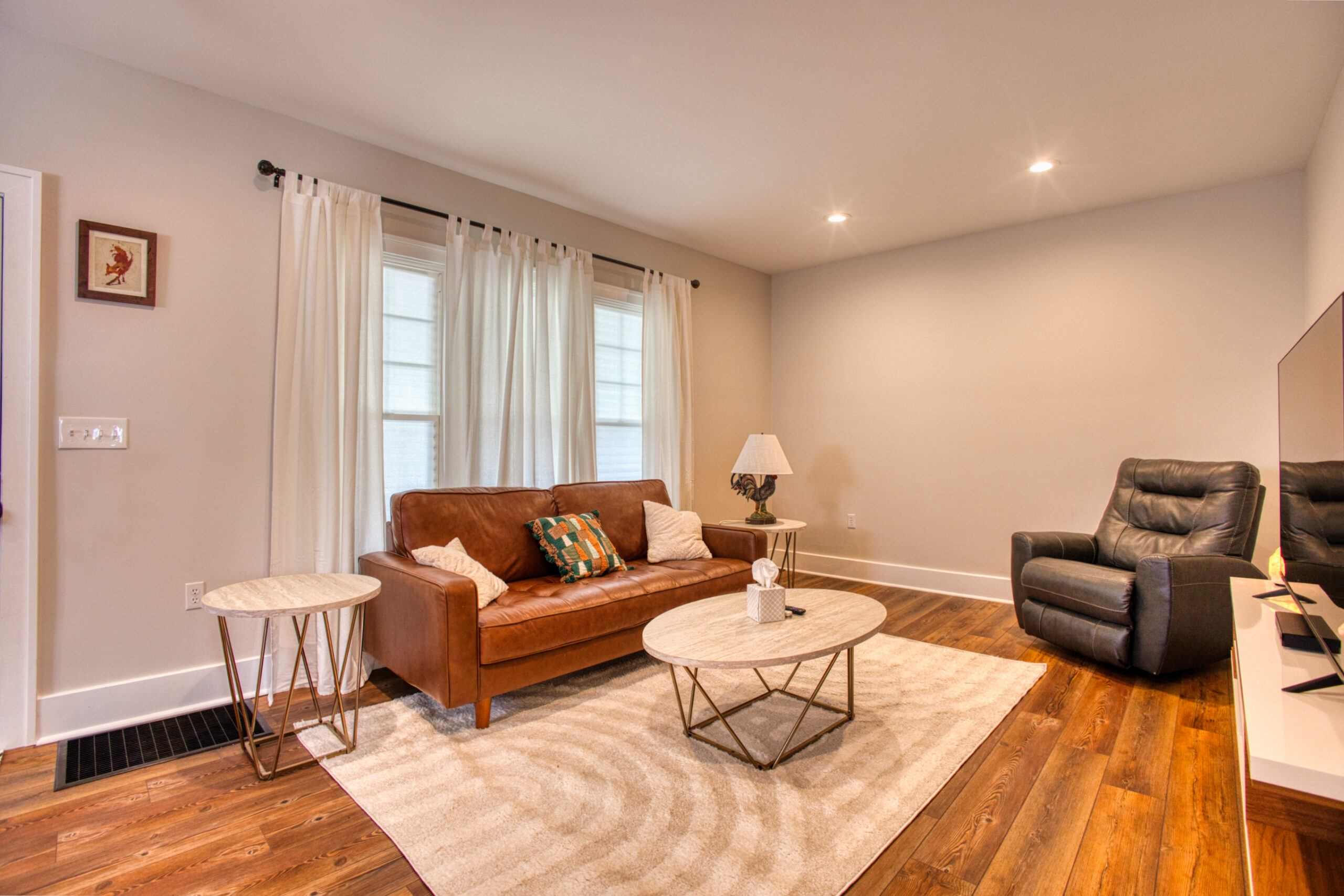
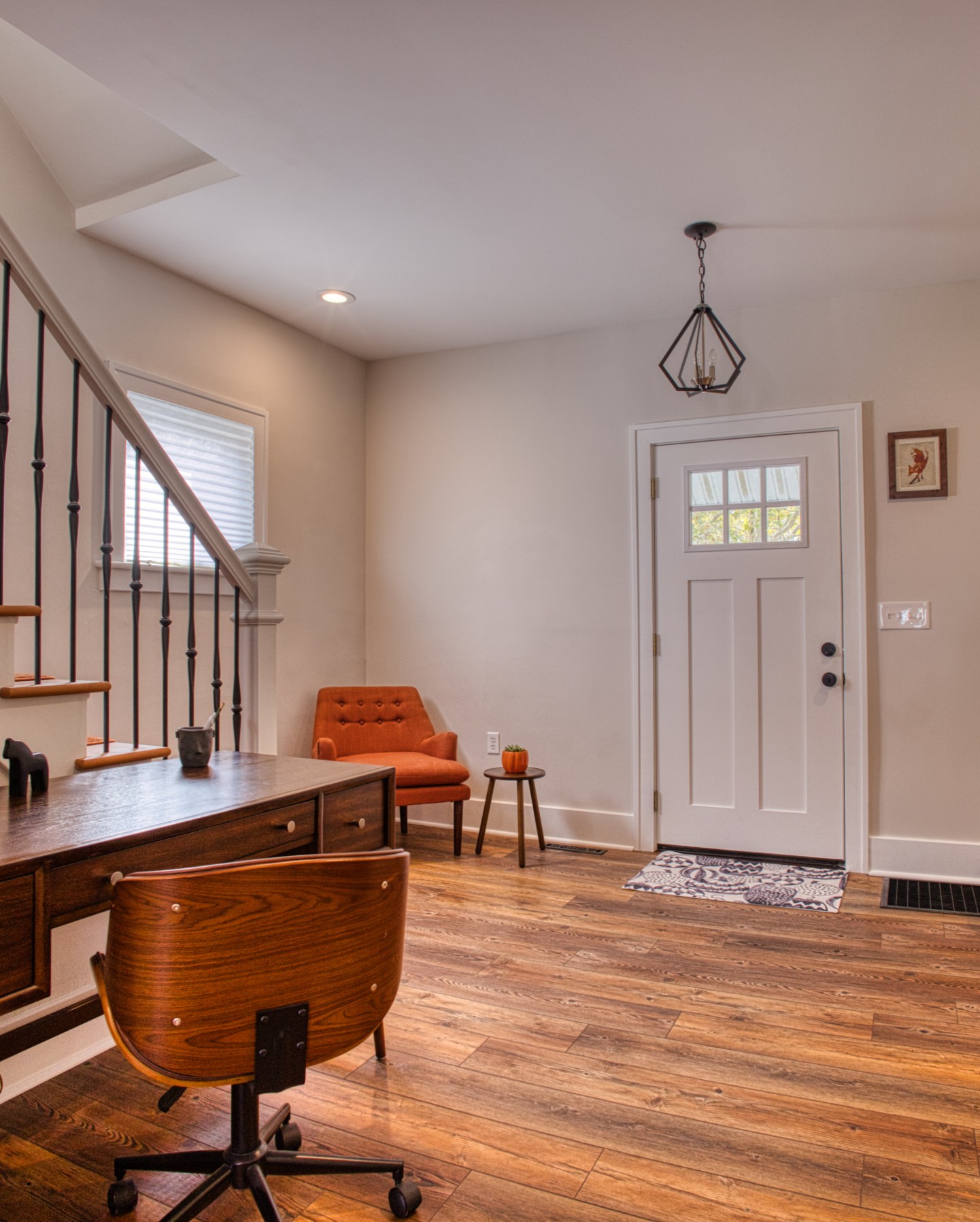
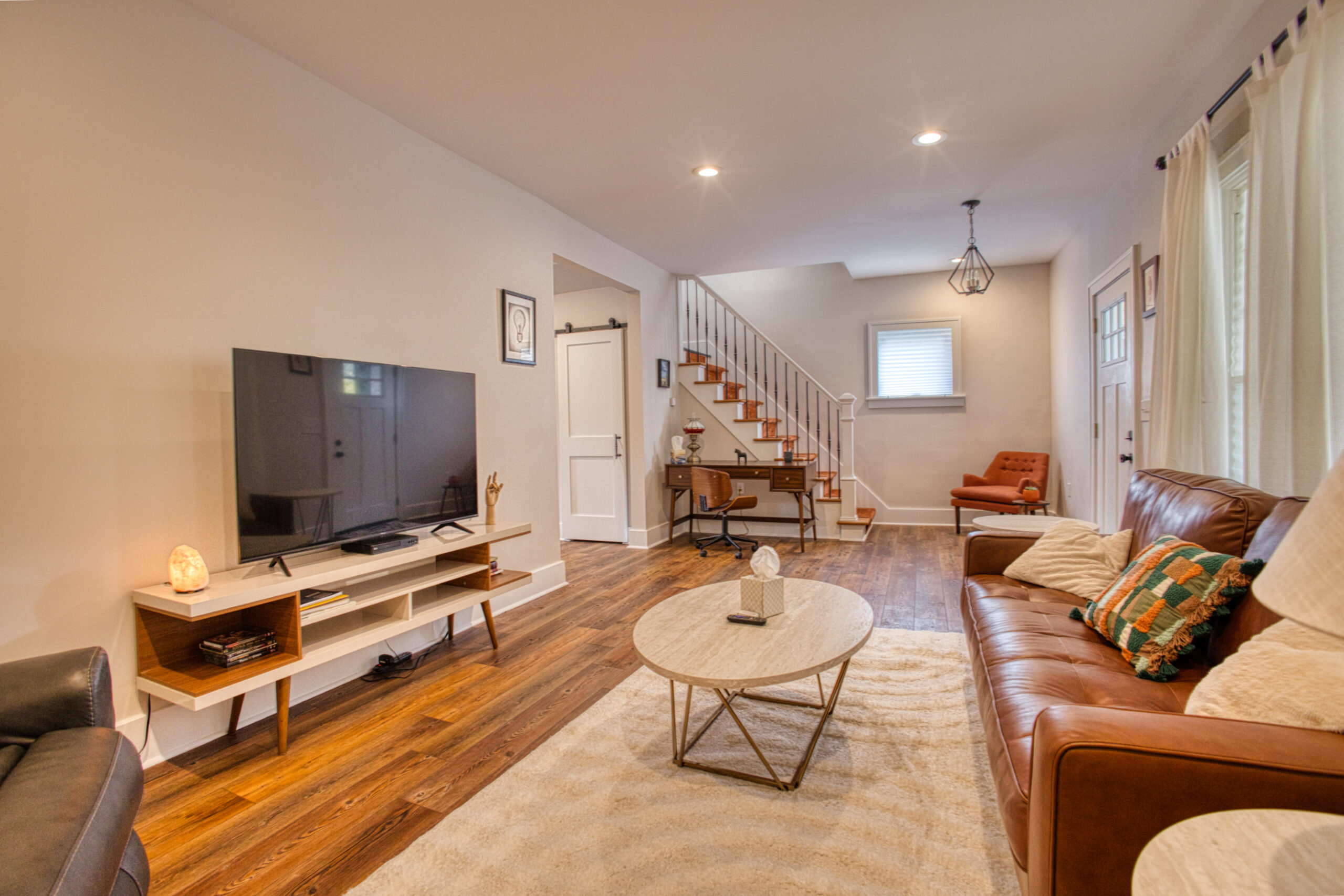
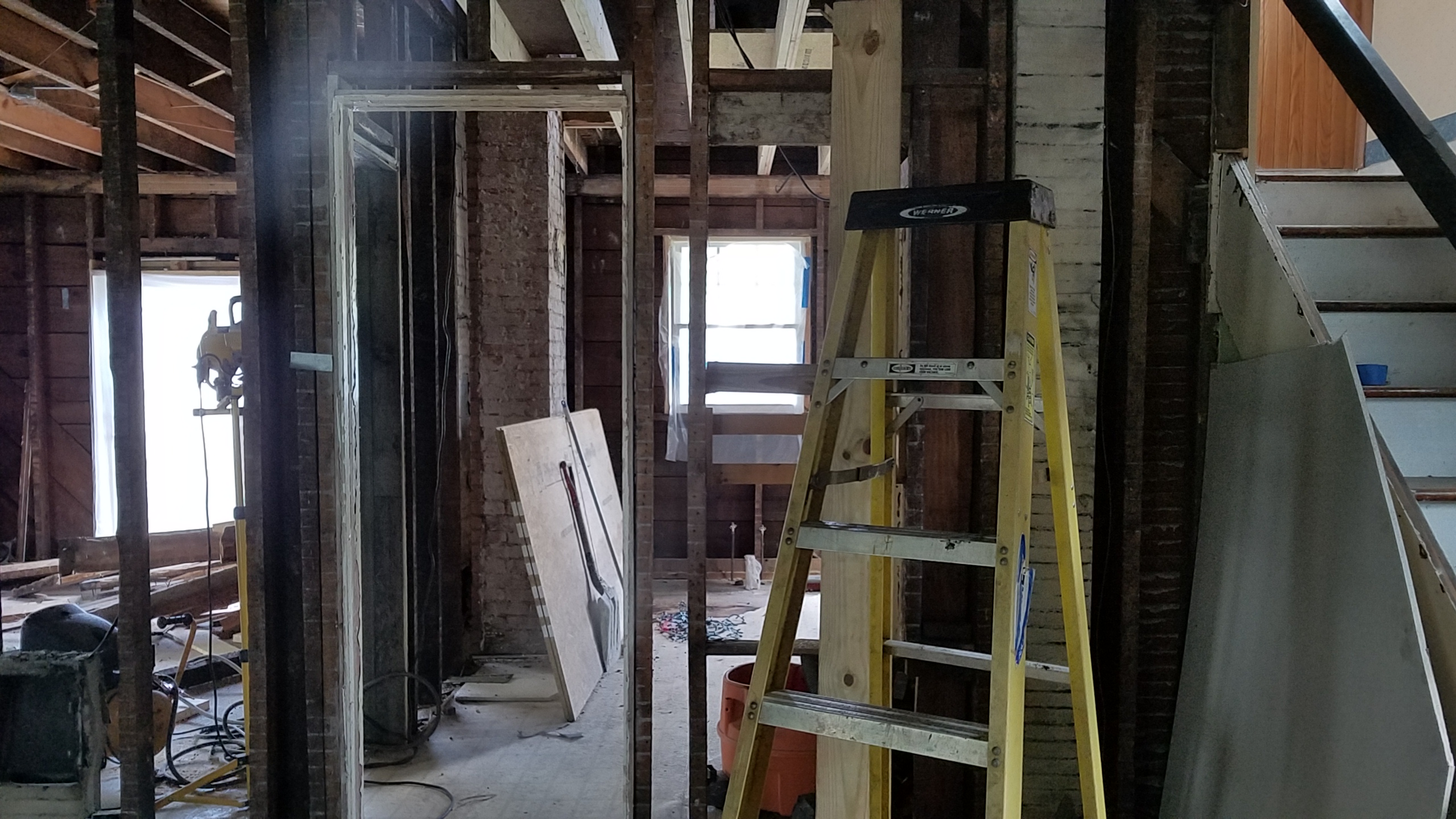
The original layout consisted of four rooms divided by a main load bearing wall. We removed the wall between the kitchen and dining room that was not structural, creating a single continuous space for cooking and gathering.
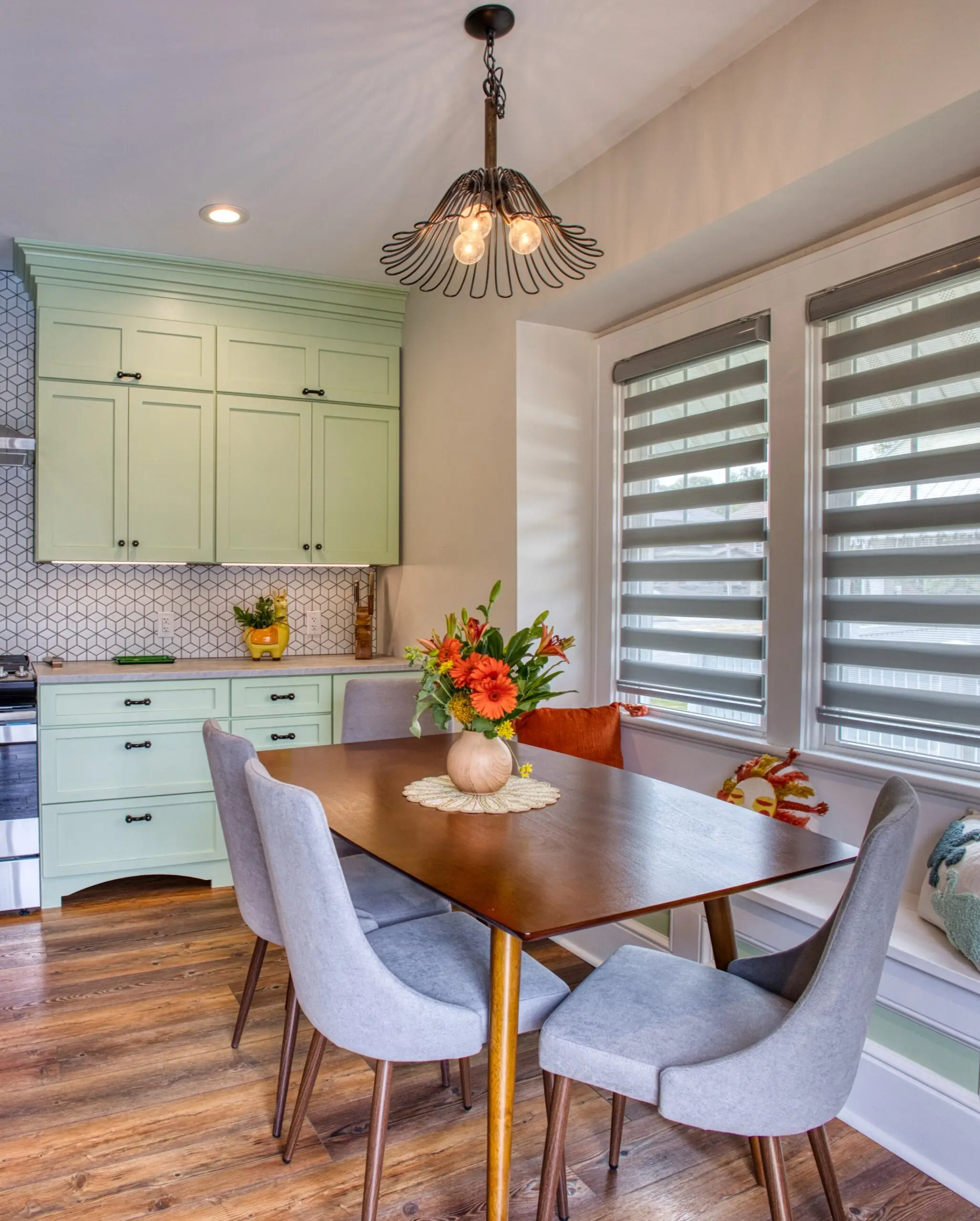
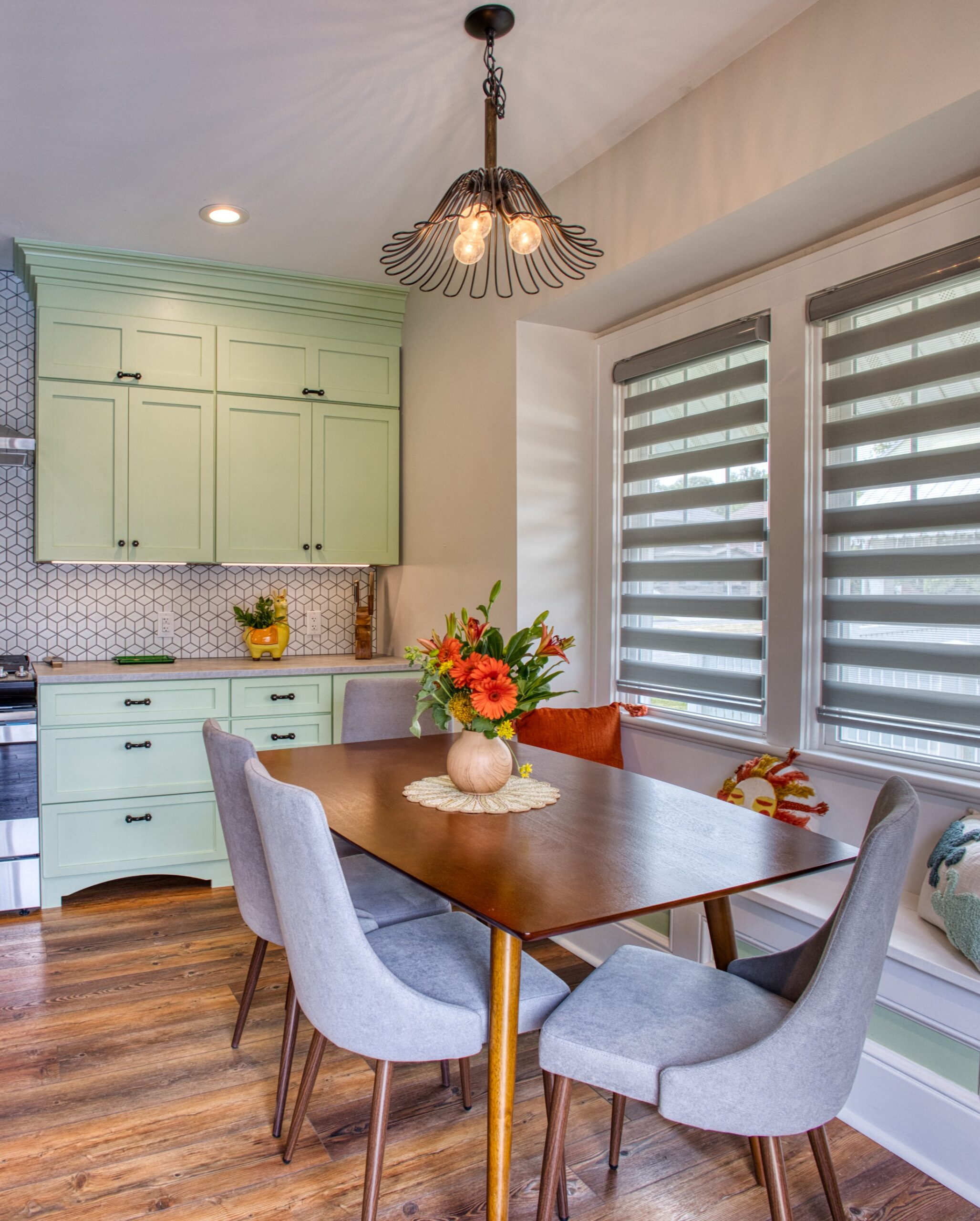
During demolition, the original built-in window seat was uncovered behind the paneling. It was restored and reintroduced as functional seating at the table, saving valuable floor space while reinforcing the home’s Craftsman character.
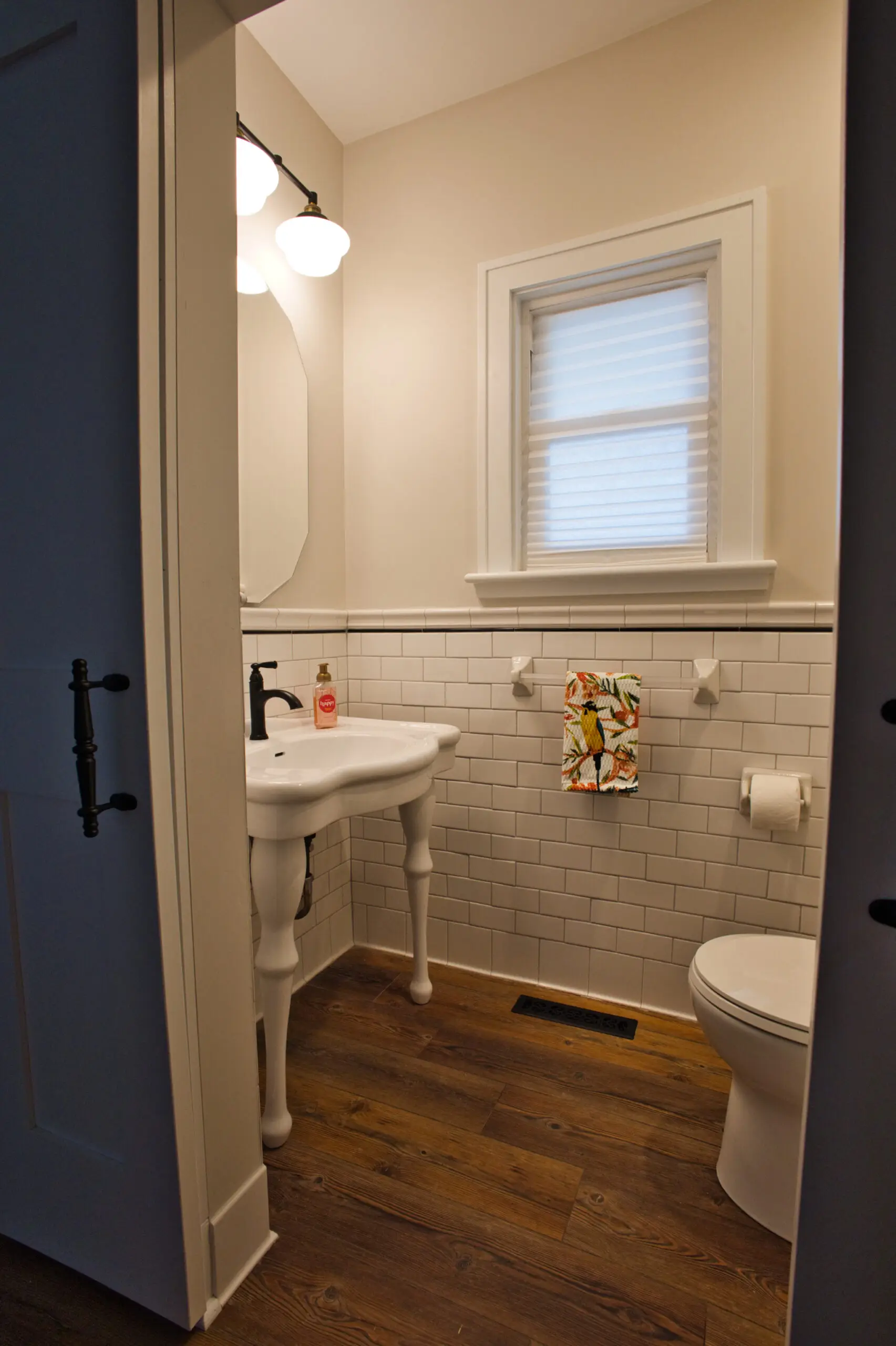
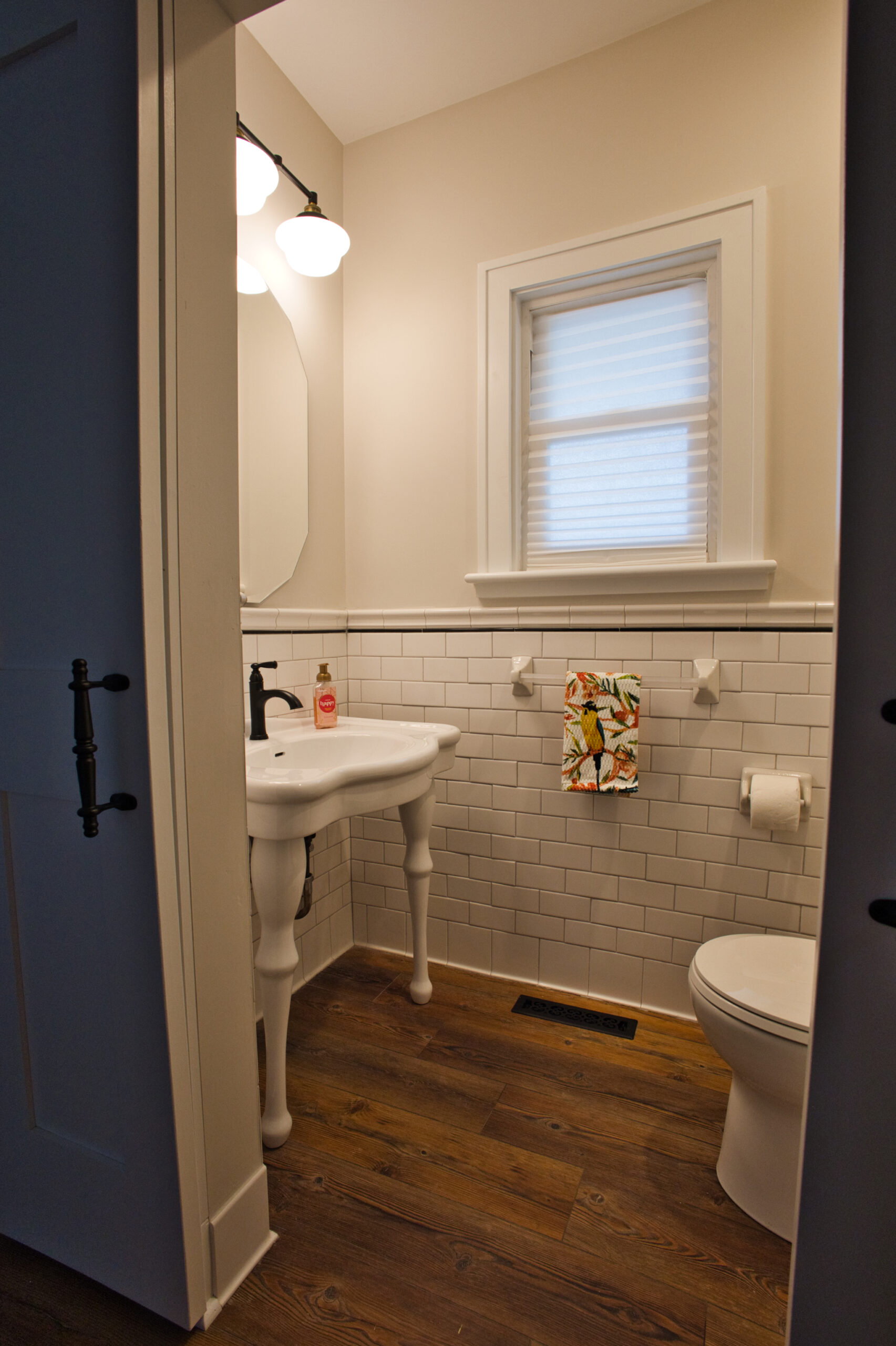
The new layout also allowed us to carve out a compact half bath on the first floor in the rear corner. The back door was shifted and a small window added. For a home with a swimming pool, a bathroom on the main floor was essential.
Reconnecting the Backyard
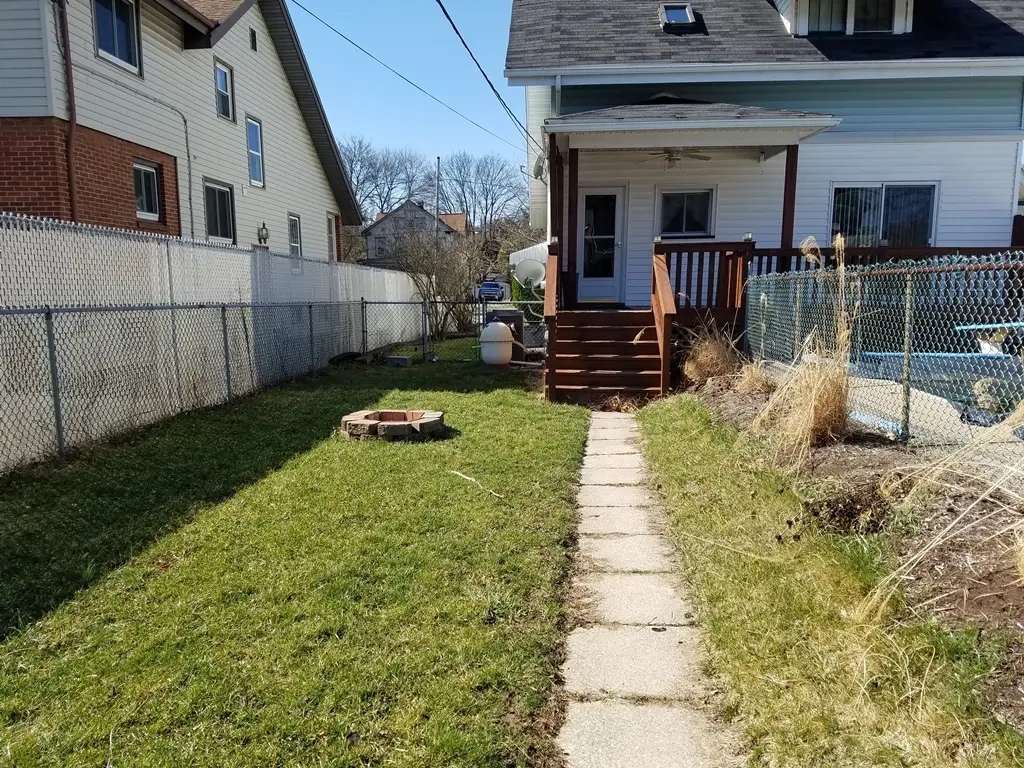
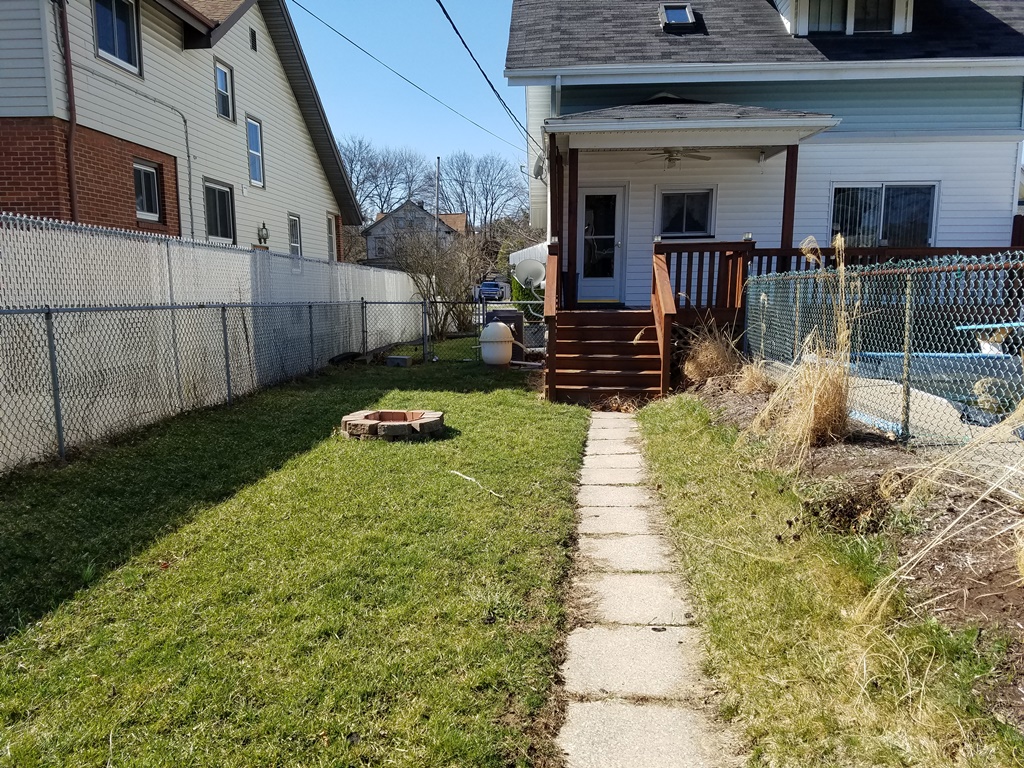
The pool had potential but felt exposed and disconnected. Chain link fencing wrapped the yard, and the carport along the alley offered little privacy.
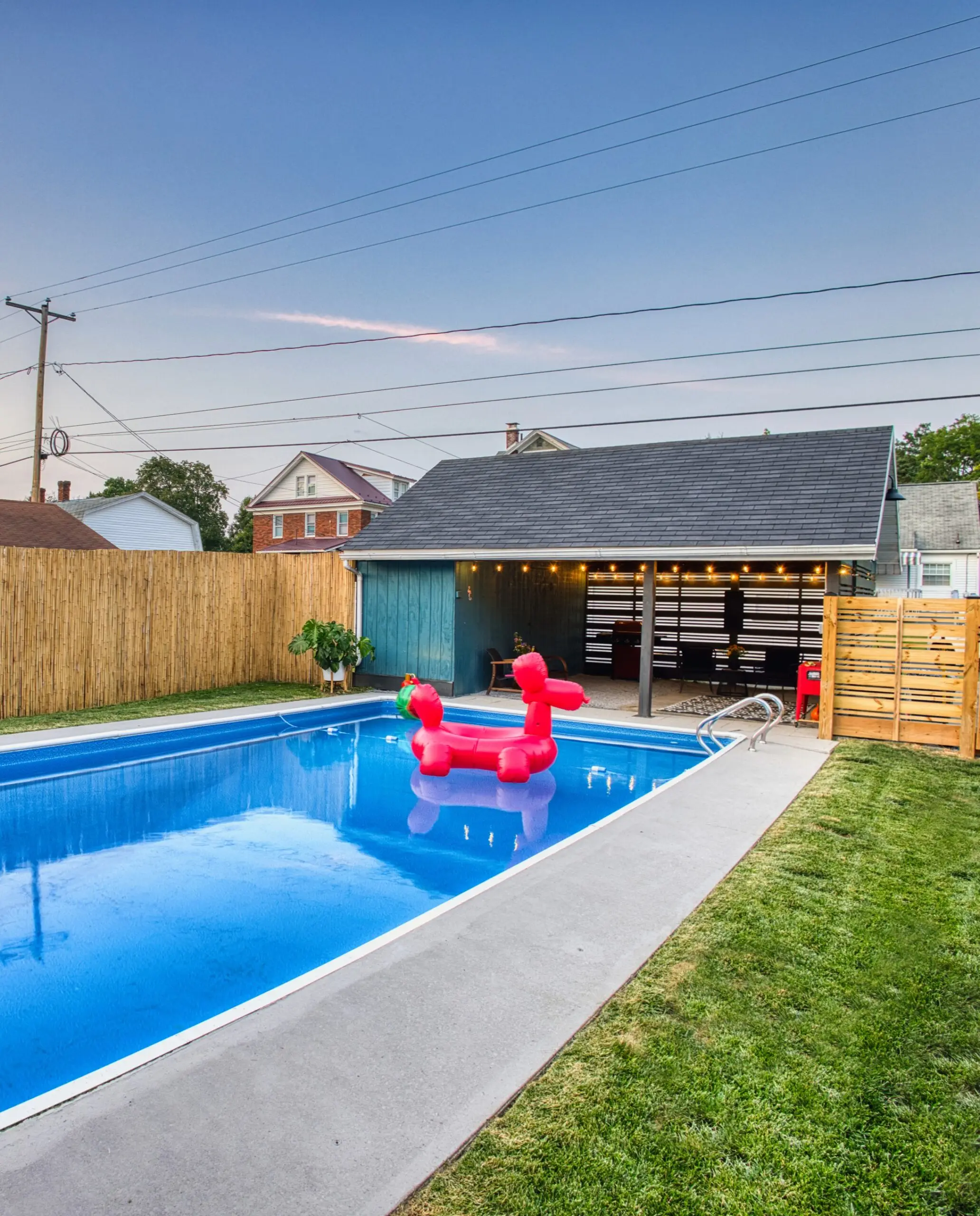
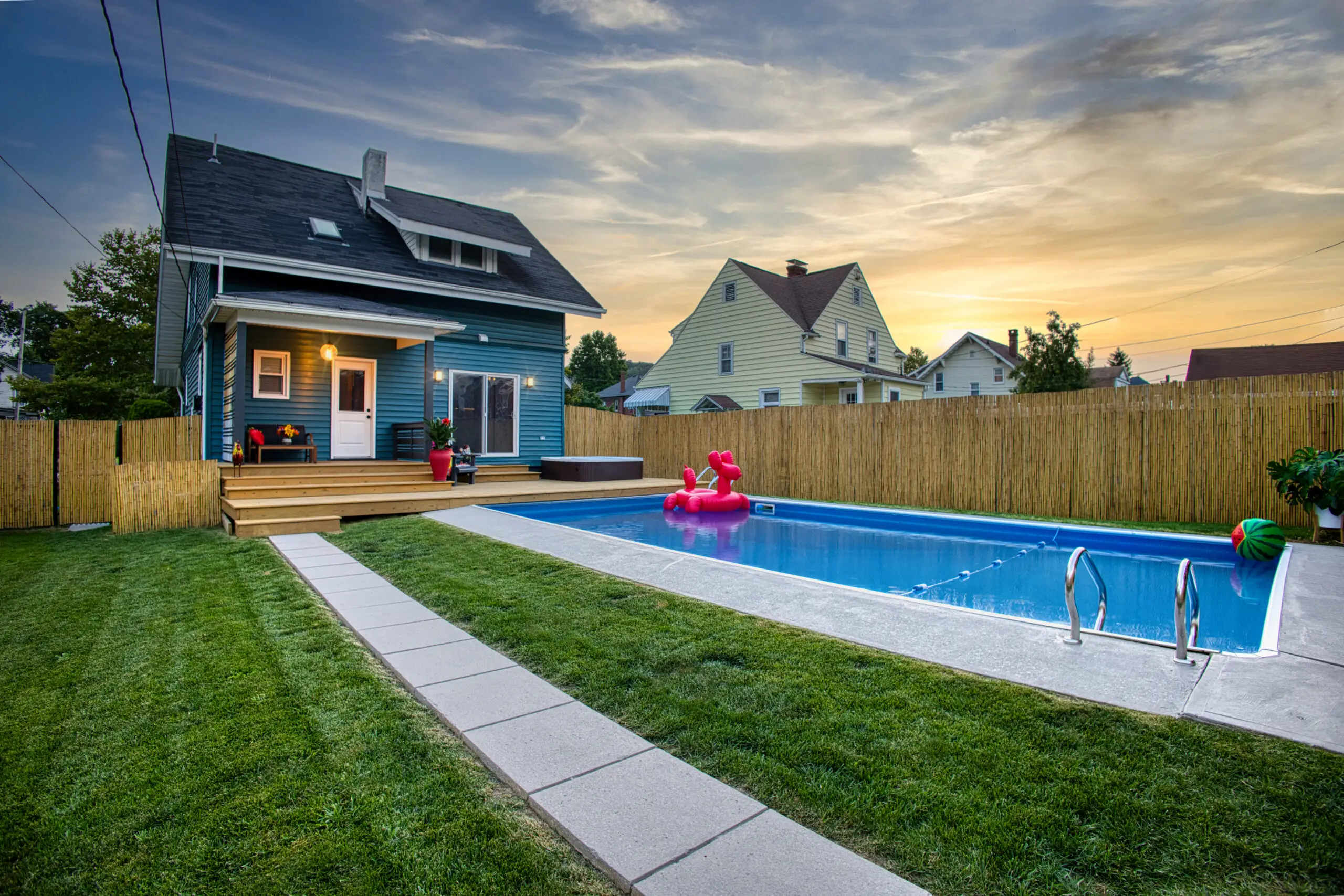
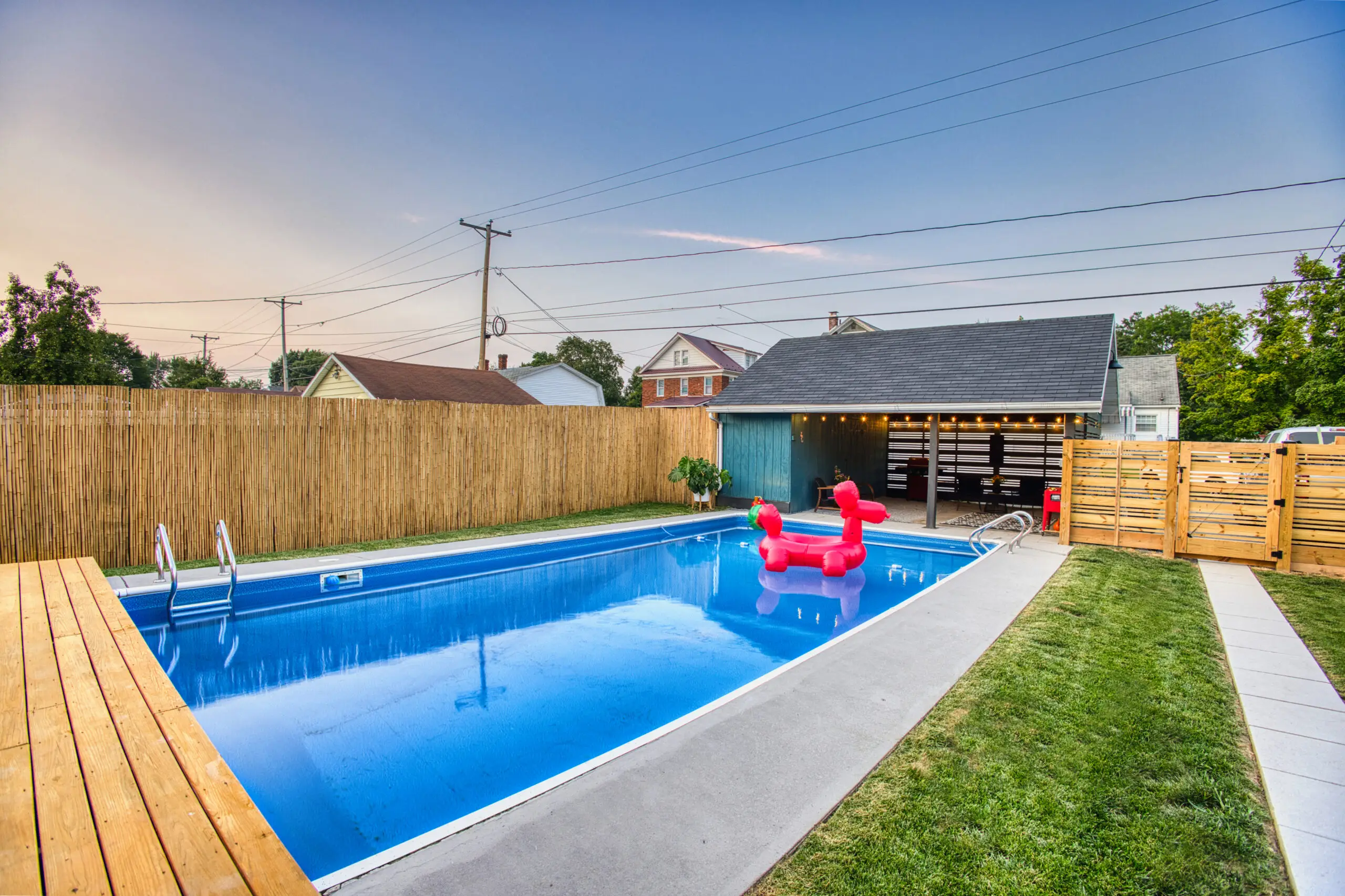
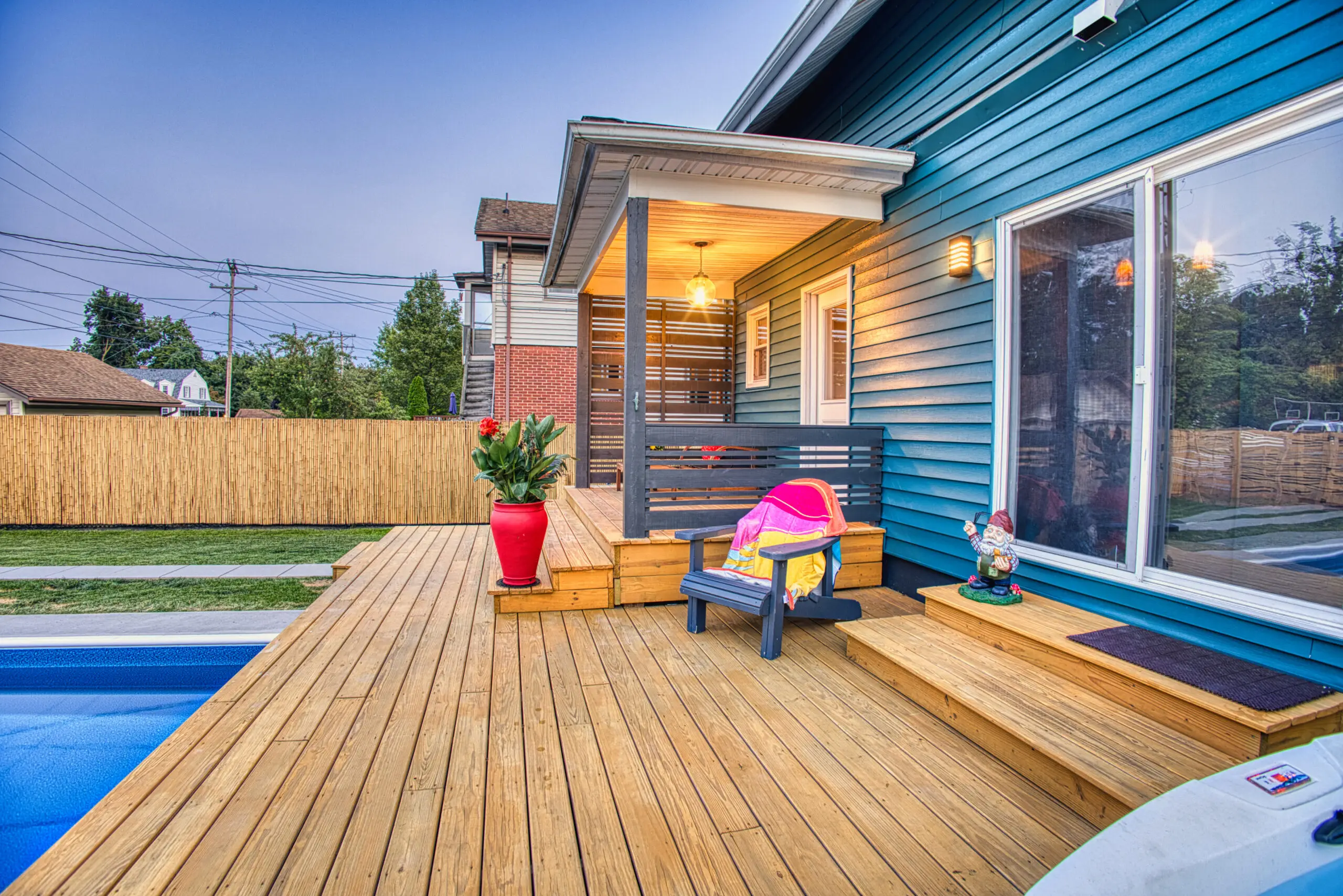
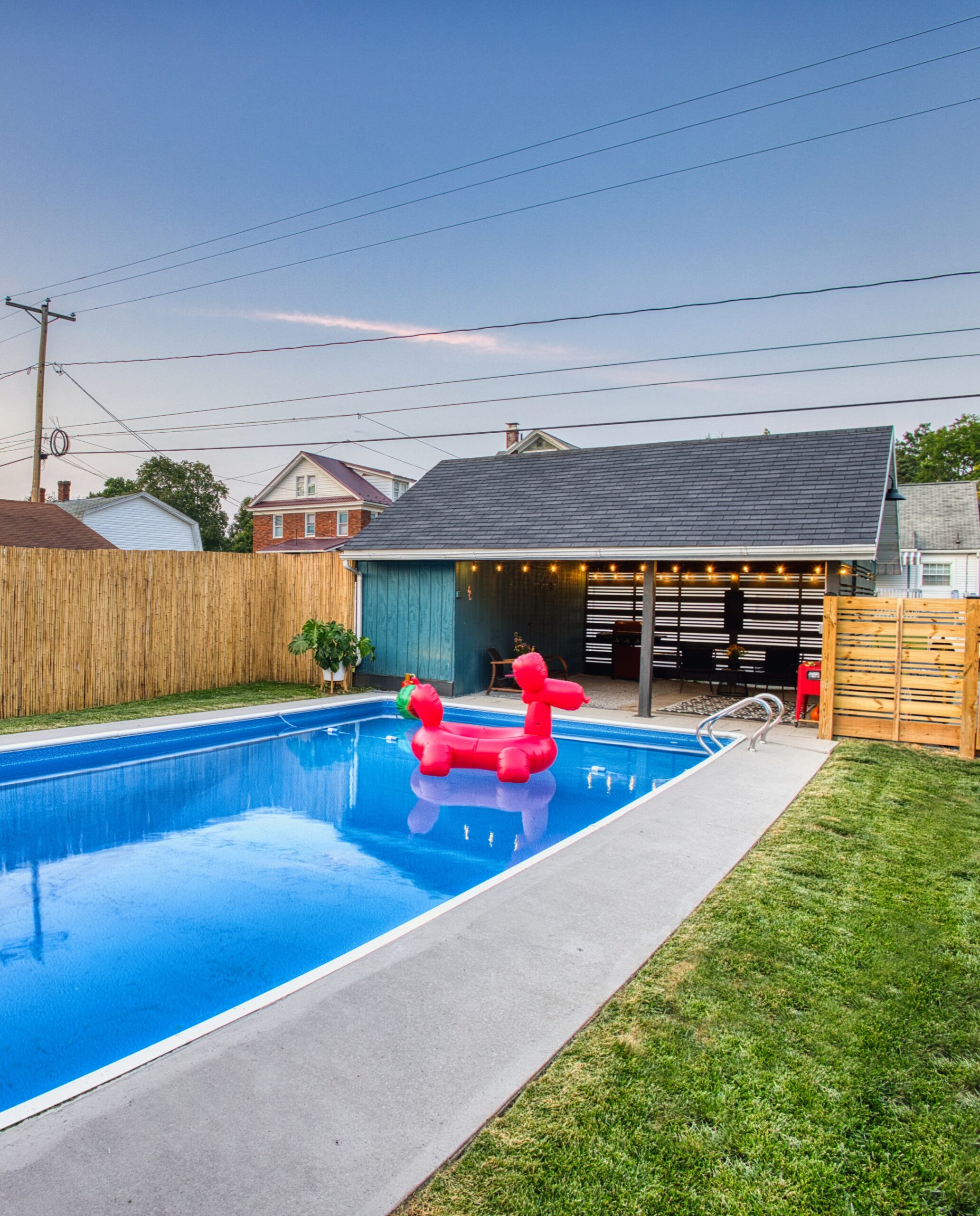
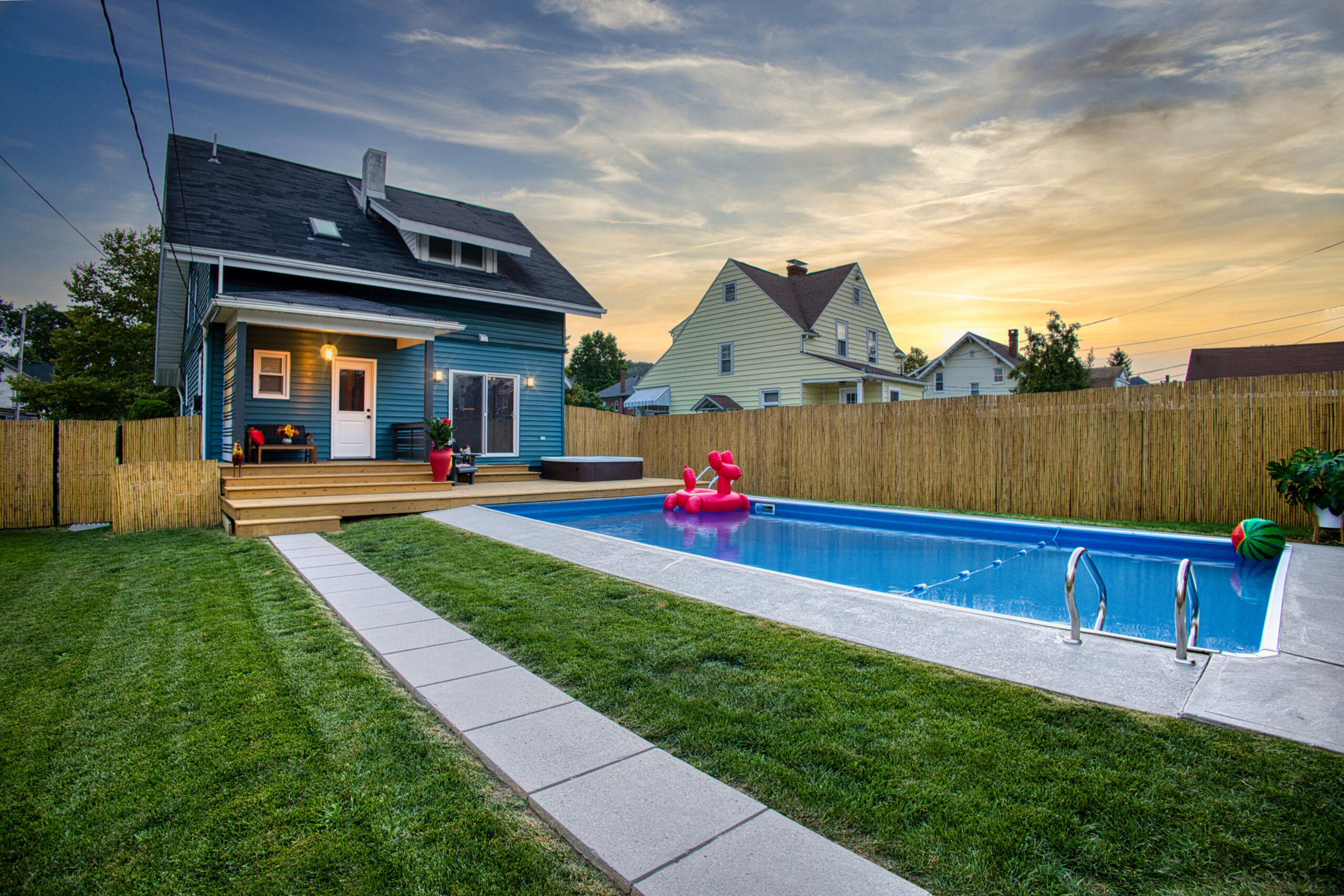
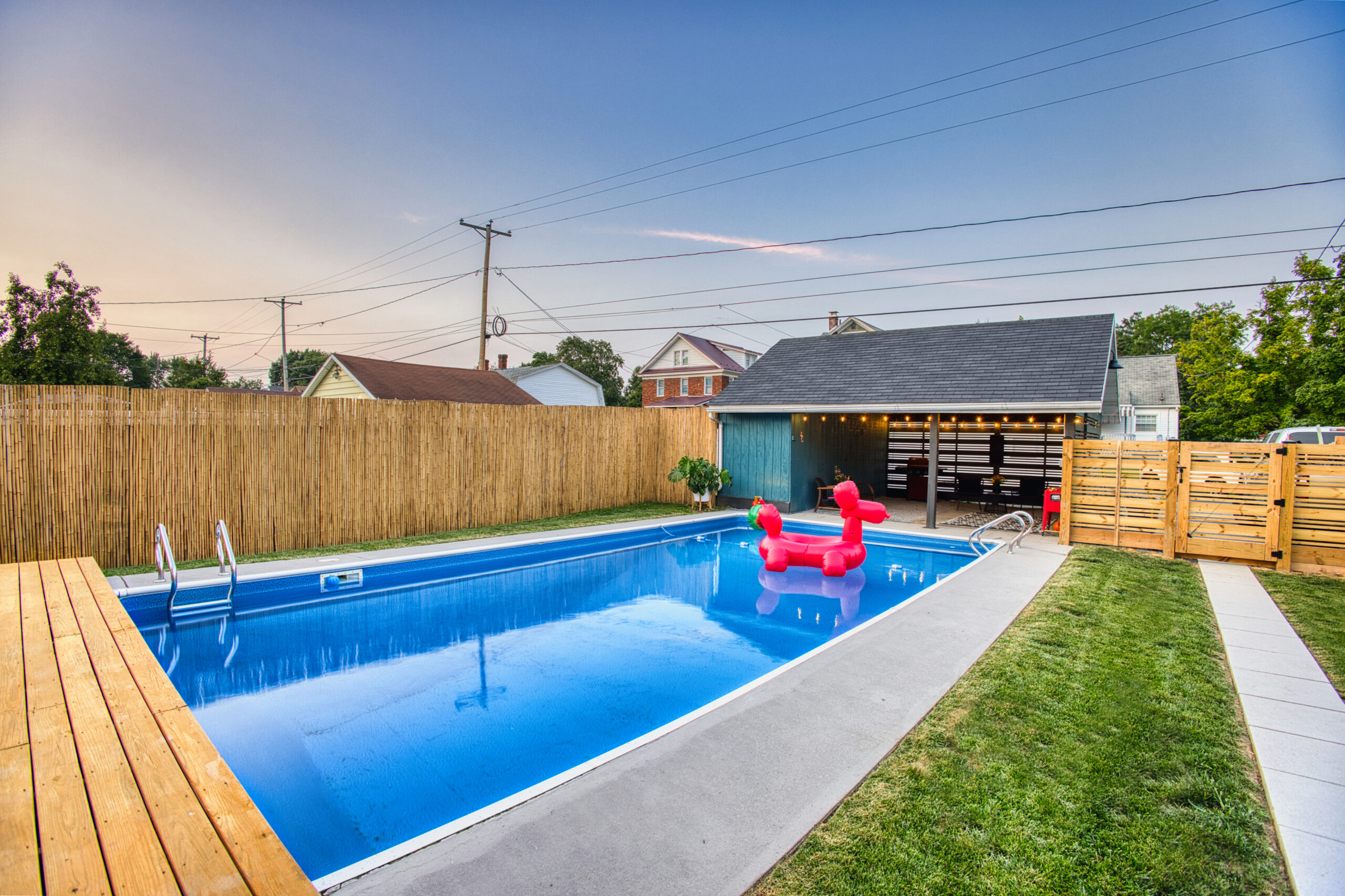
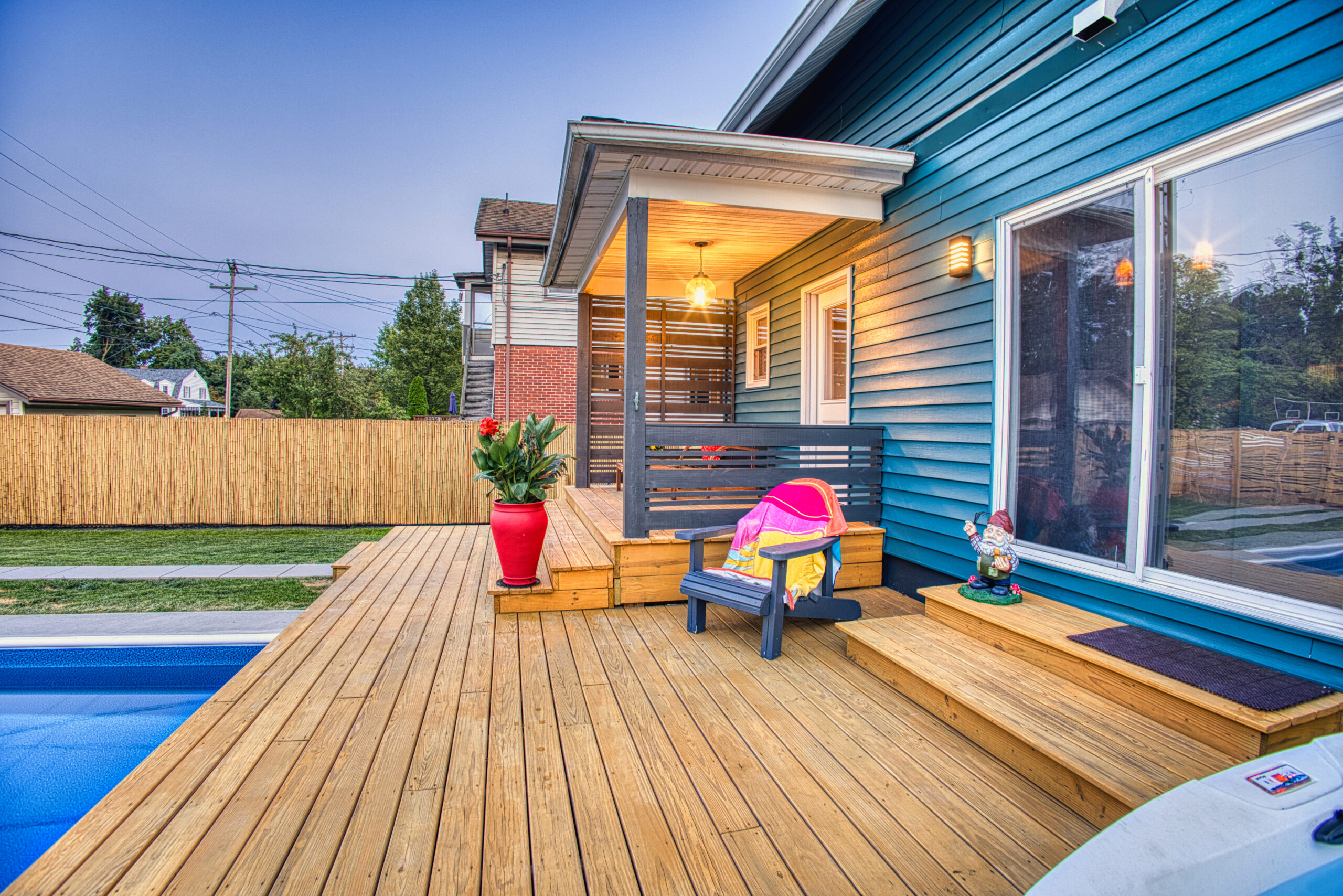
We removed the fencing and diving board, installed a new liner, and built a tiered deck that ties directly to the house. Double sliding doors now open from the former dining room onto a wide step and deck, connecting indoor and outdoor living.
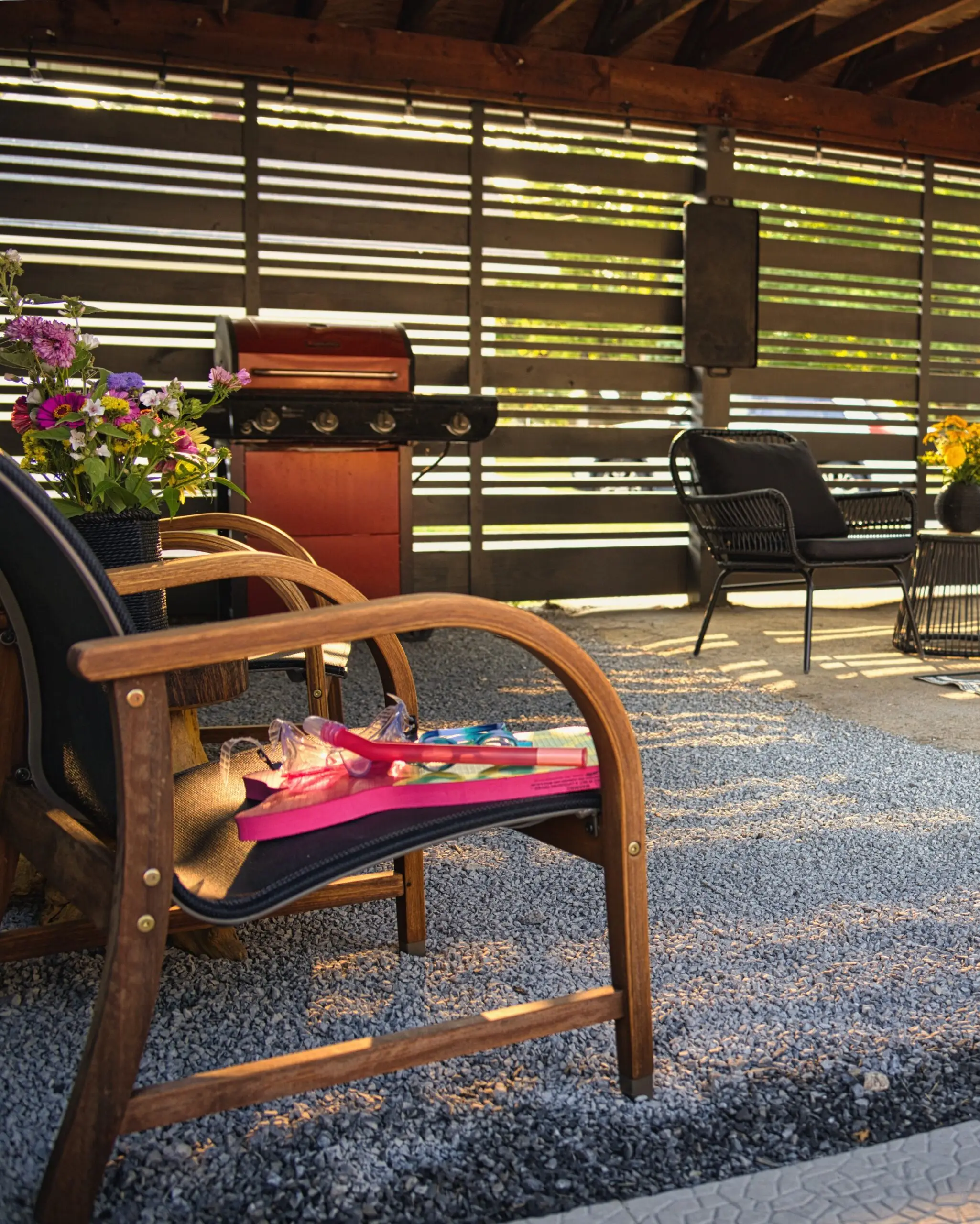
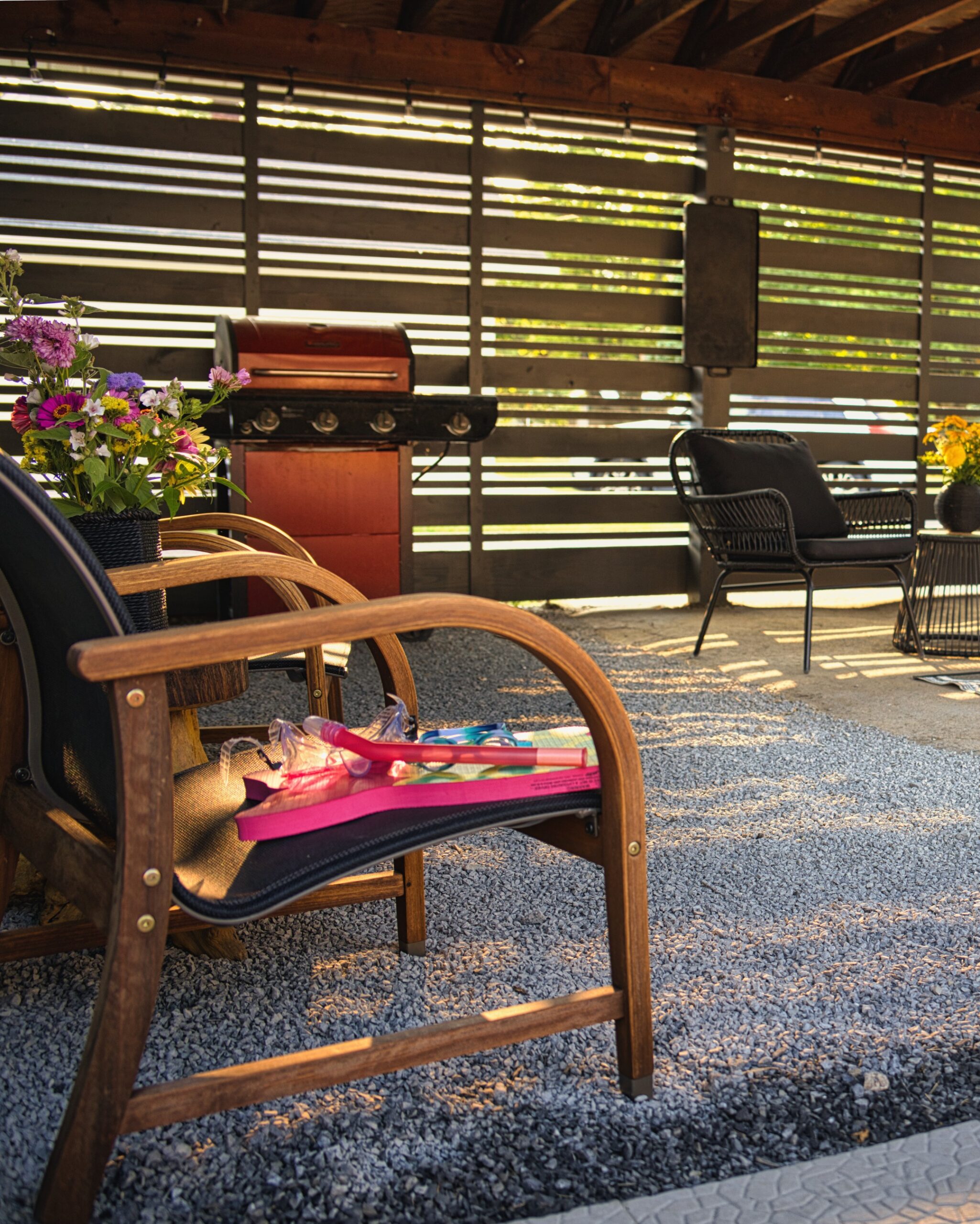
New fencing was placed near the lot lines within code limits and screened with bamboo. Slatted boards were added around the carport and porch to increase privacy. The yard now feels intentional and enclosed rather than exposed.
Making the Upper Floors Work
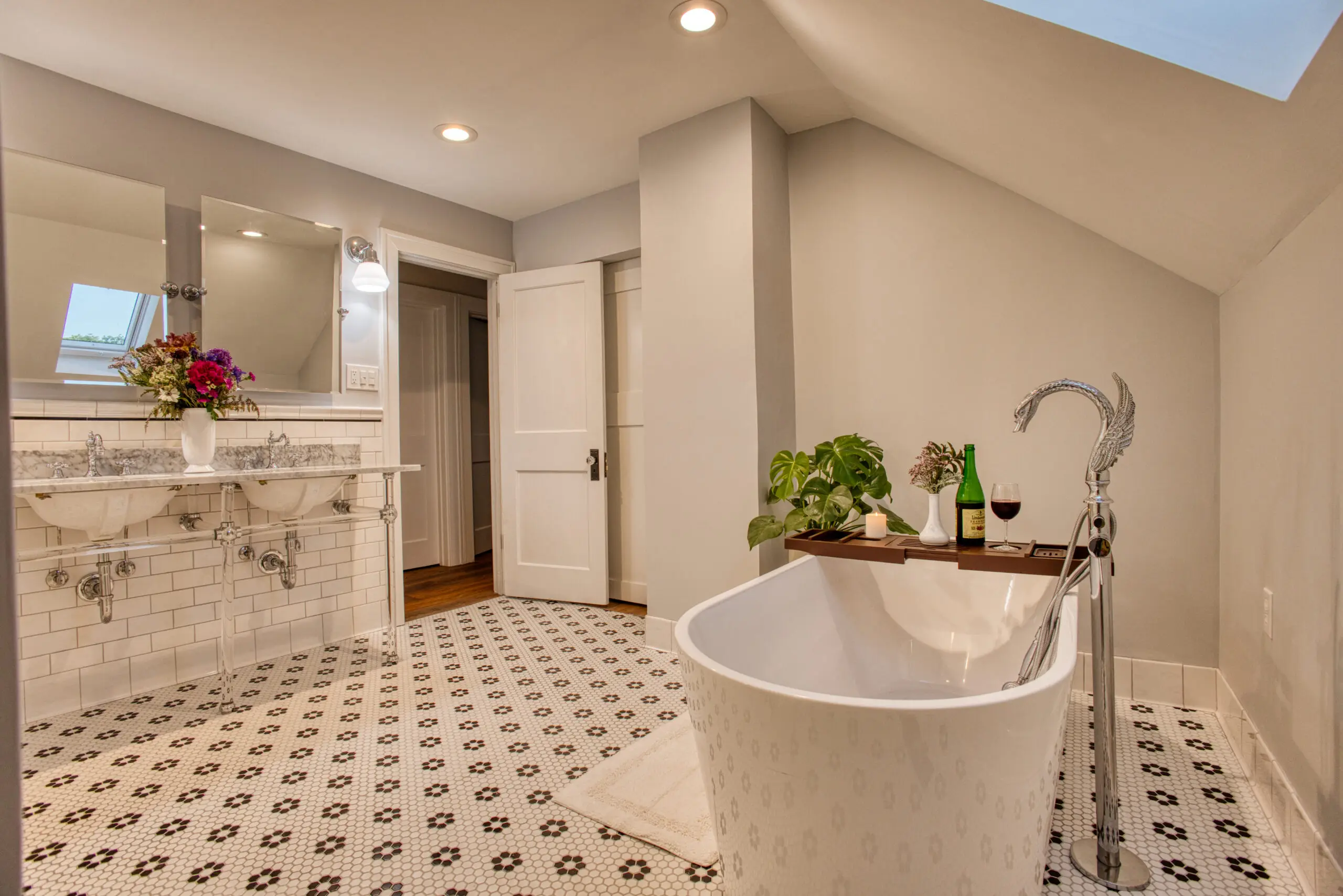
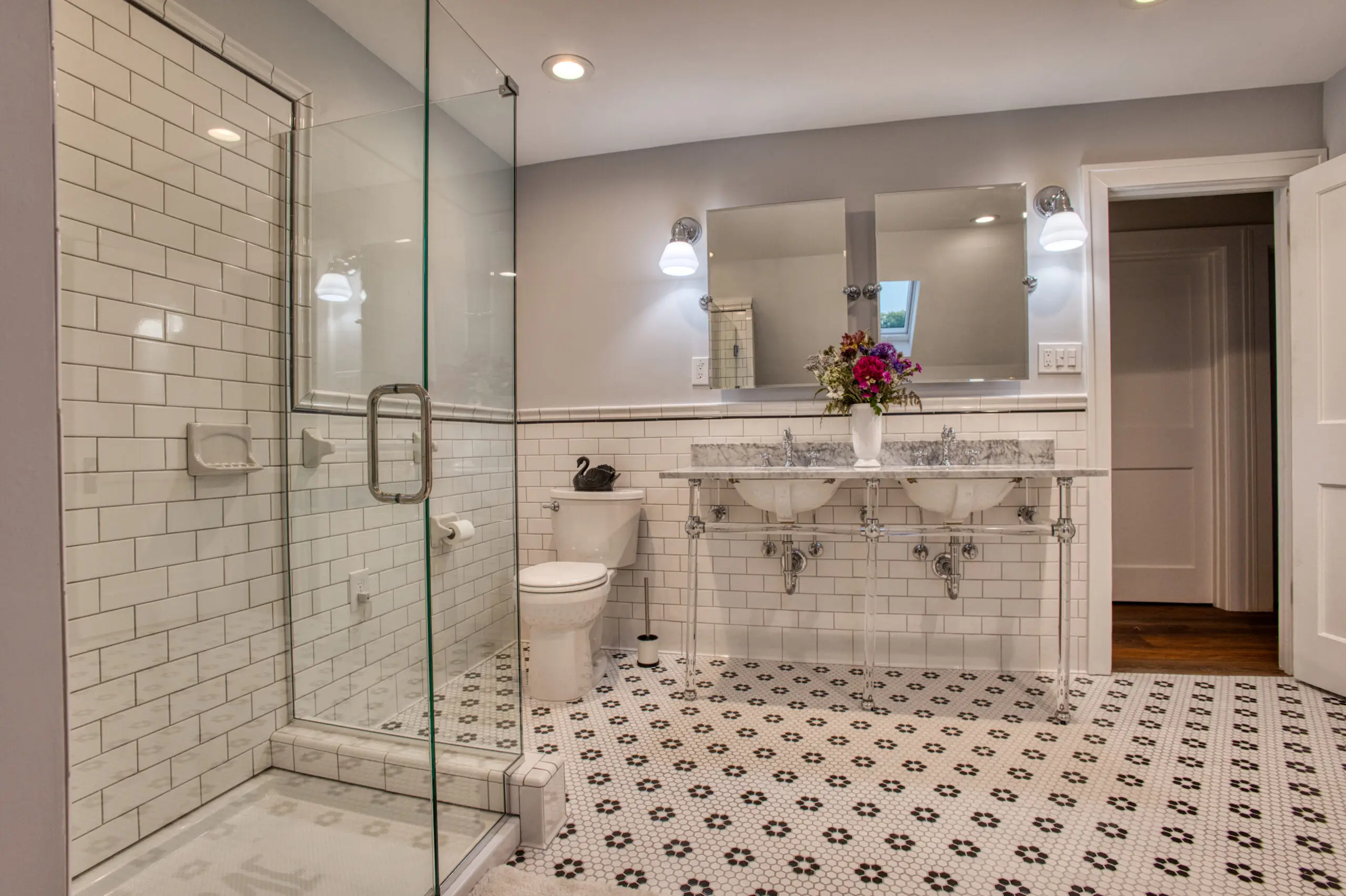
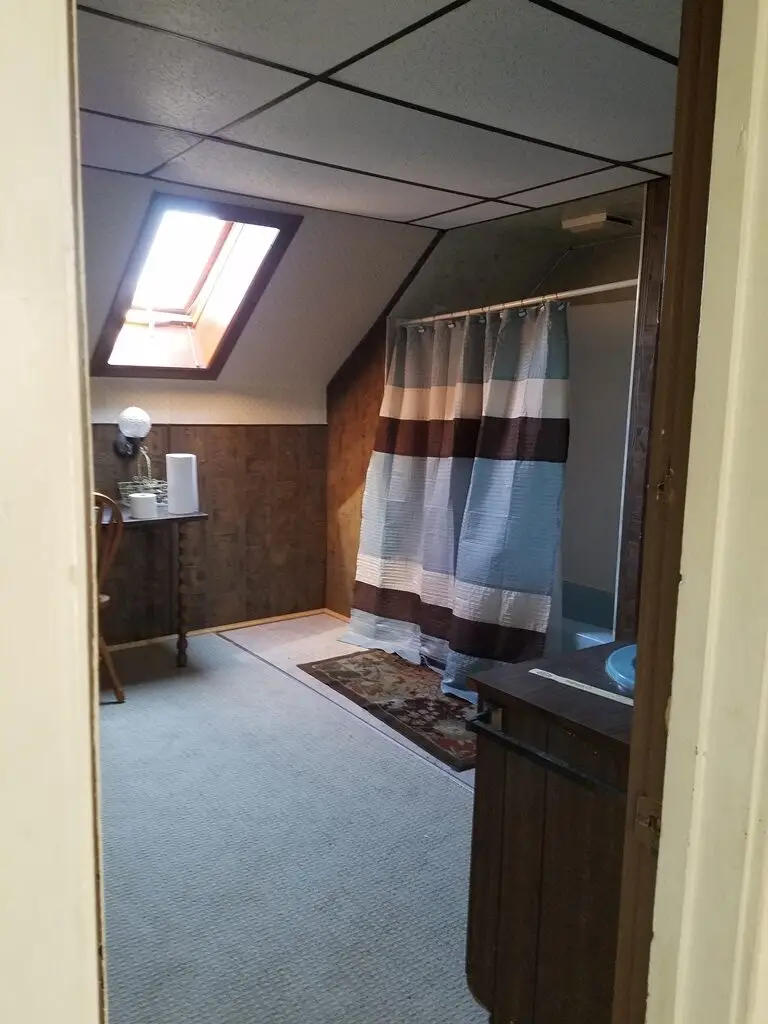
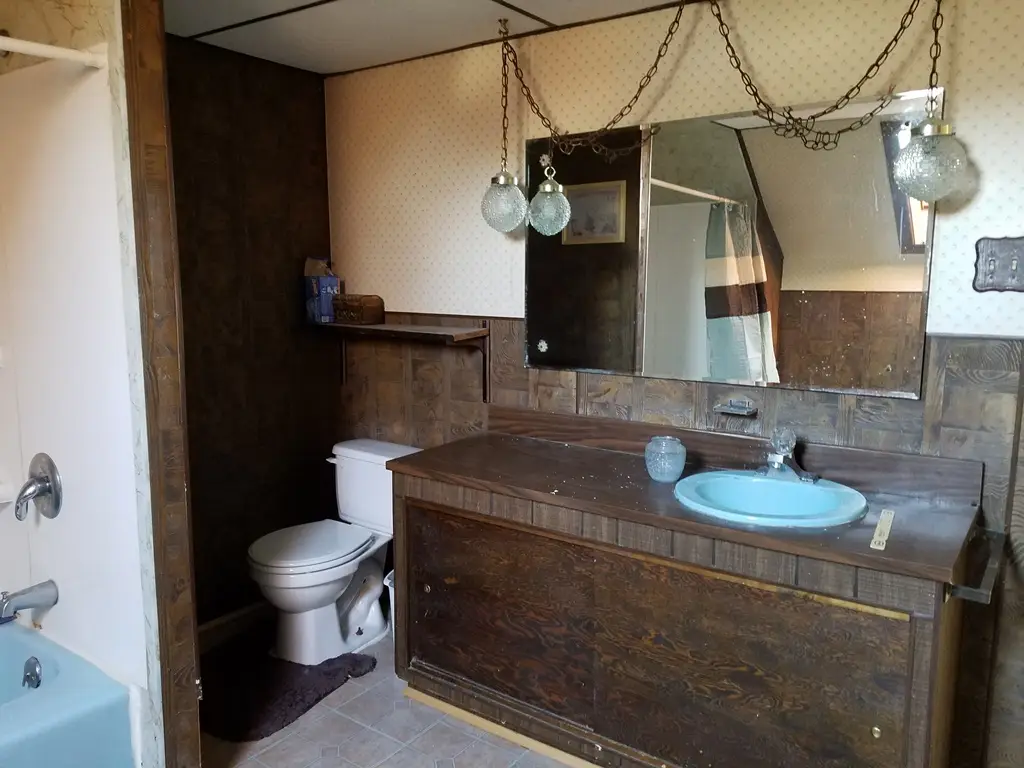
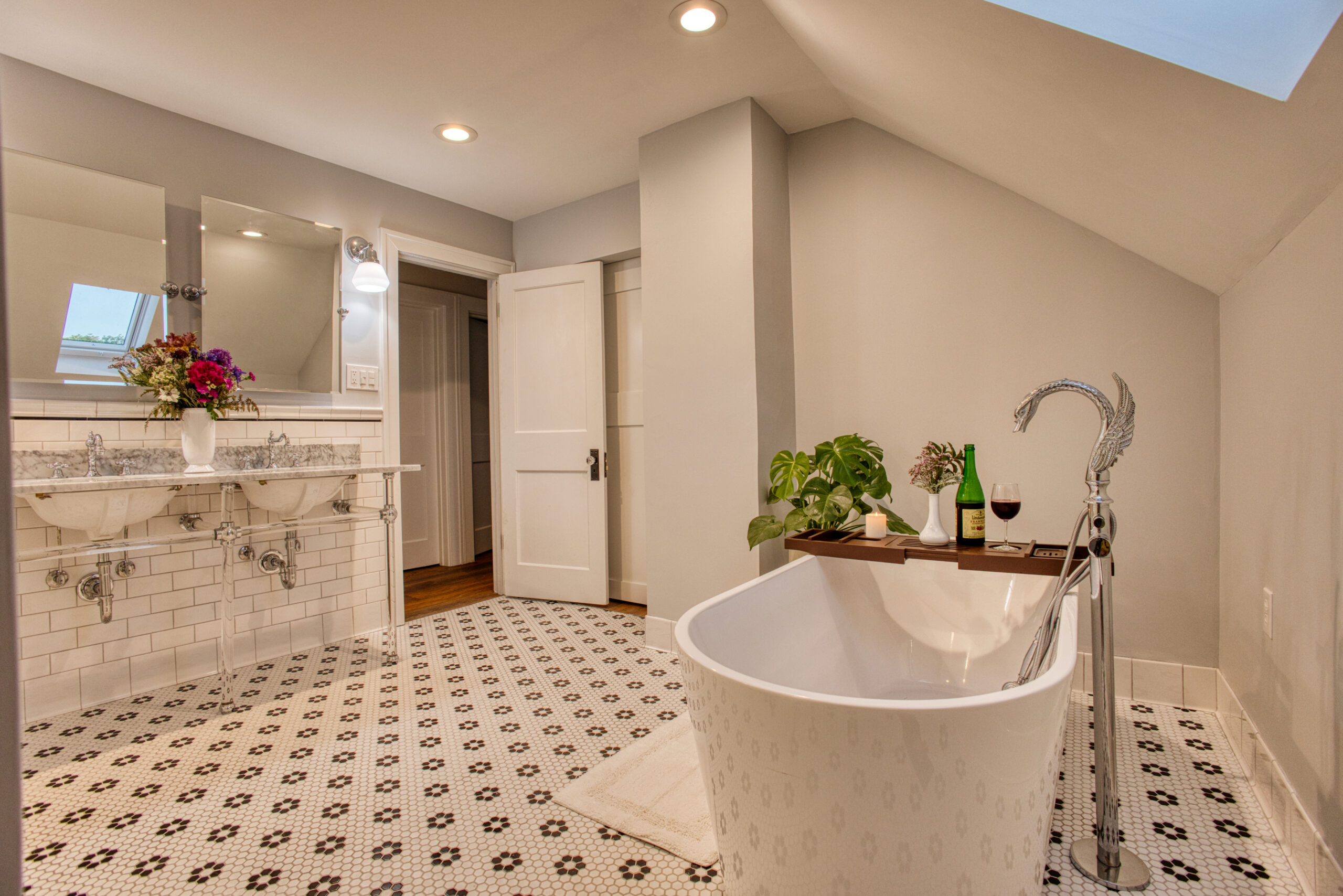
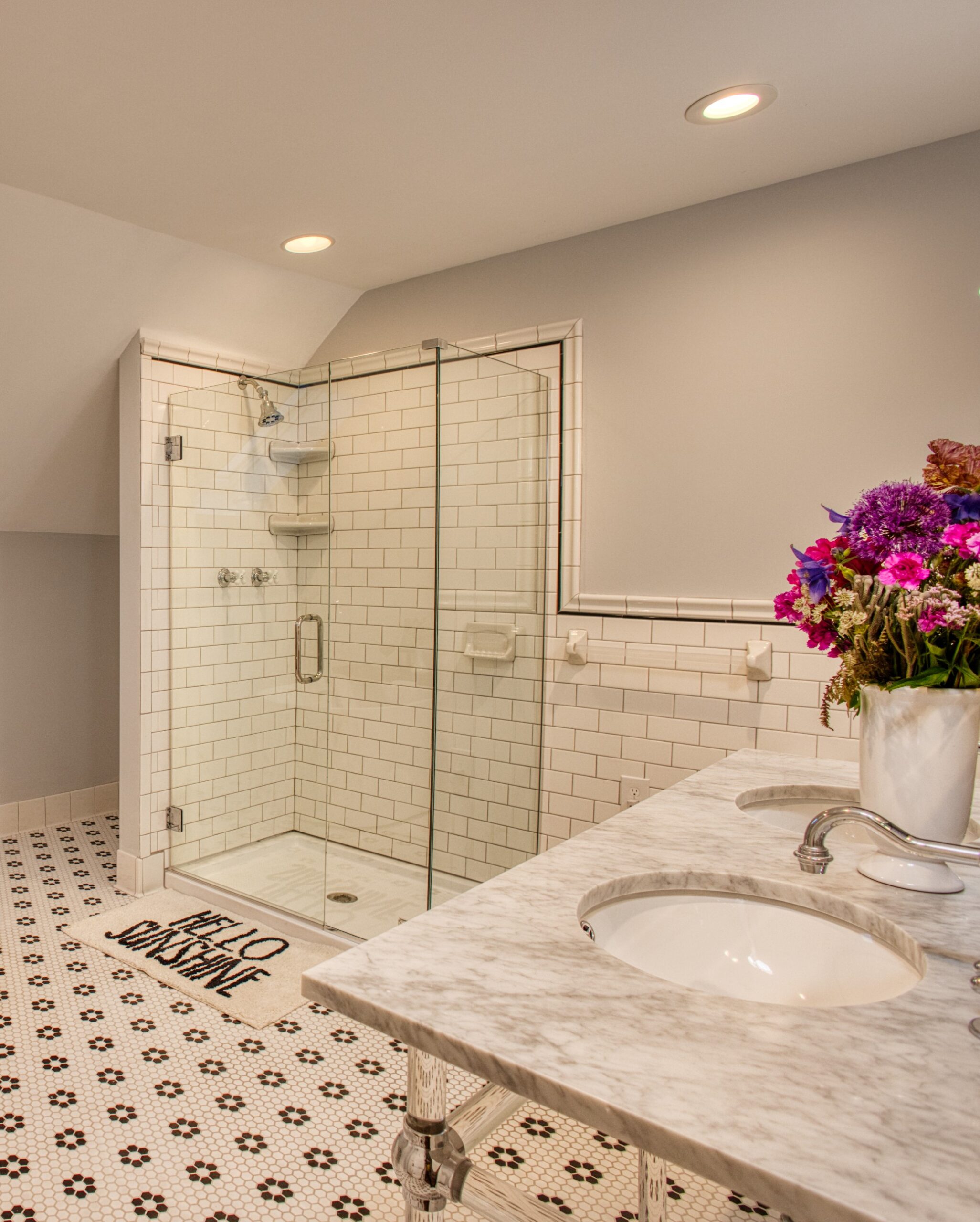
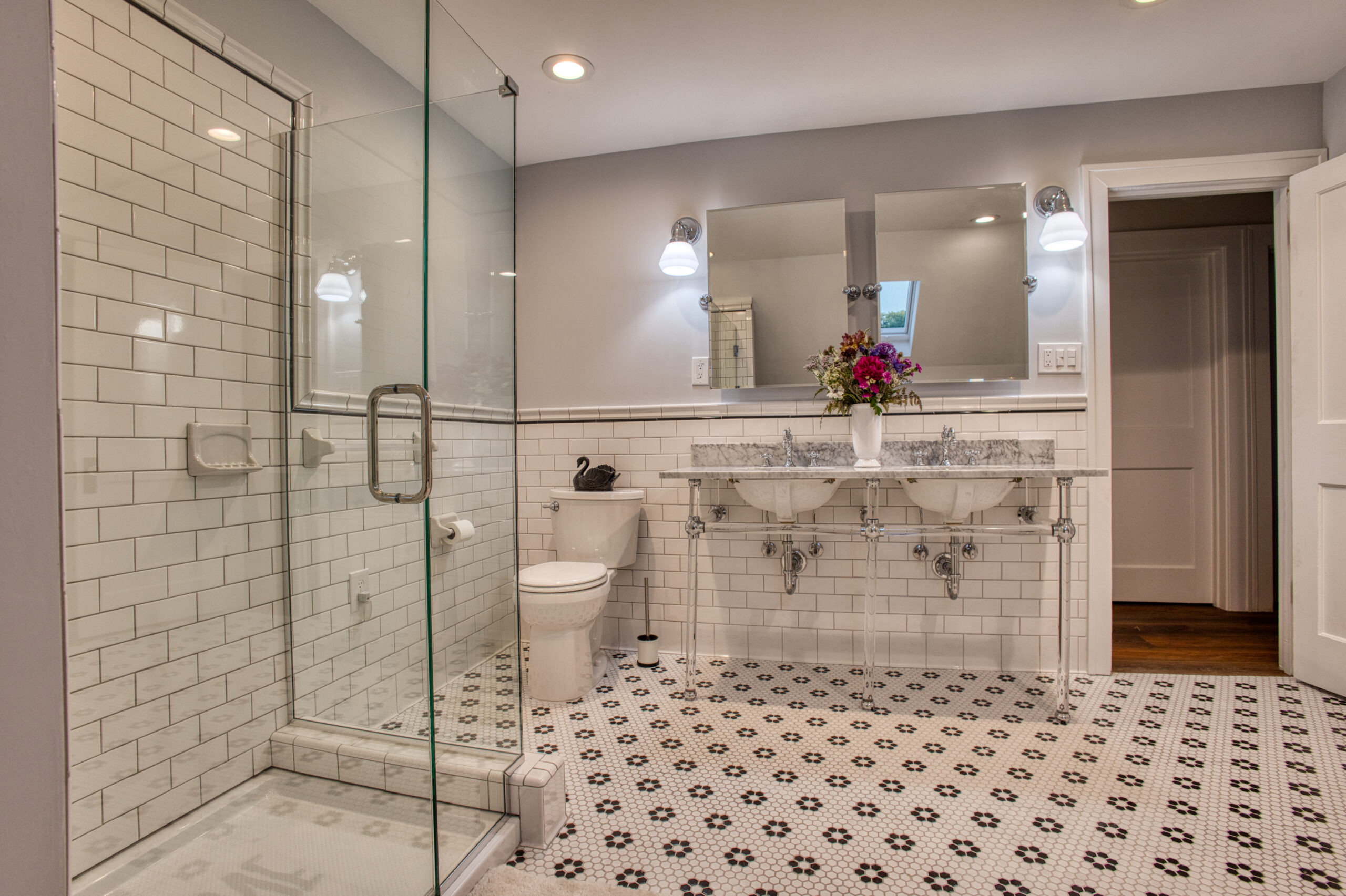
Upstairs, the oversized but awkward bathroom was redesigned. The original tub sat under a sloping ceiling and shared a solid wet wall with the toilet area. The layout was likely arranged for plumbing convenience rather than usability.
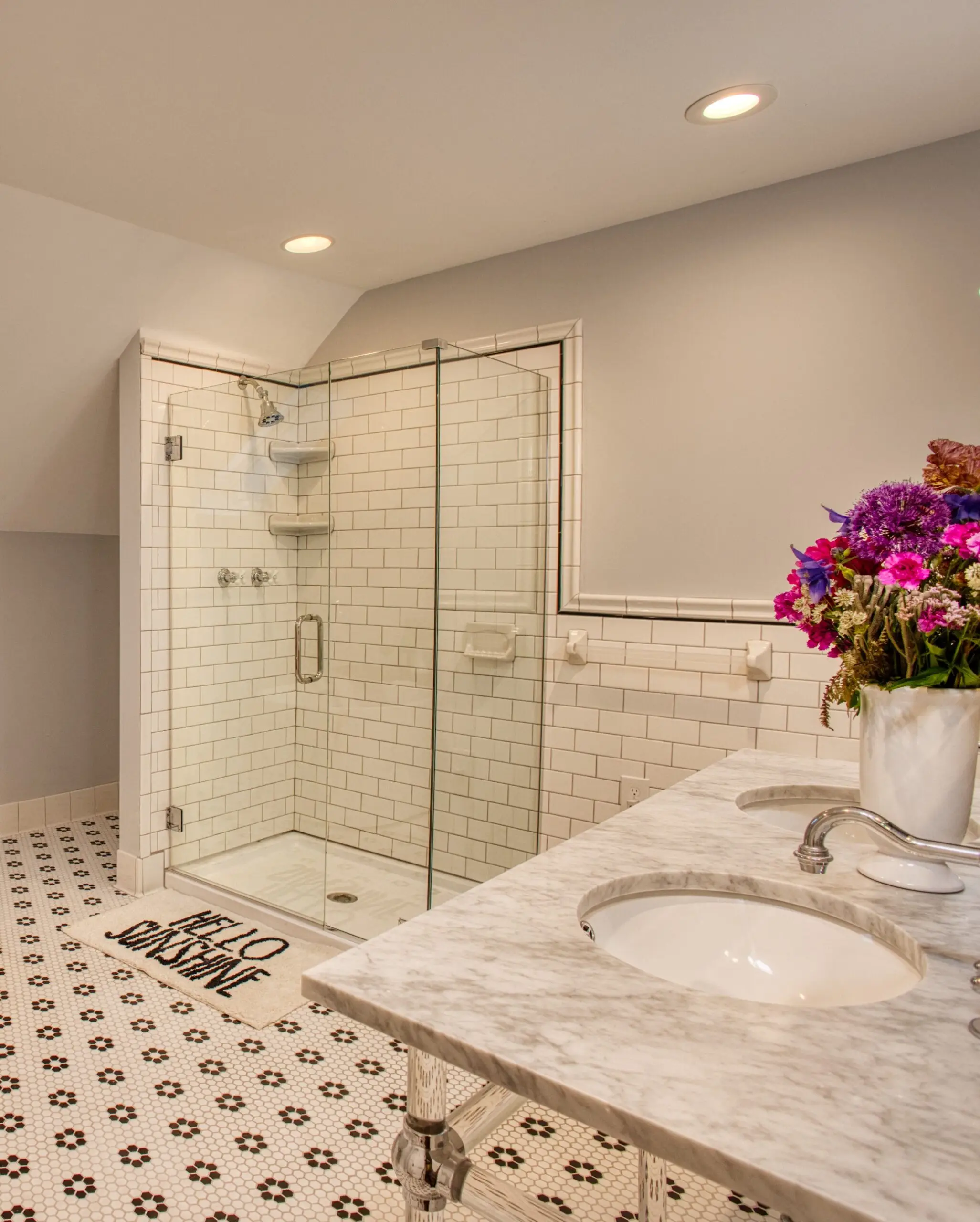
The new plan adds a separate soaking tub and introduces a frameless glass shower, allowing light to pass through and improving headroom.
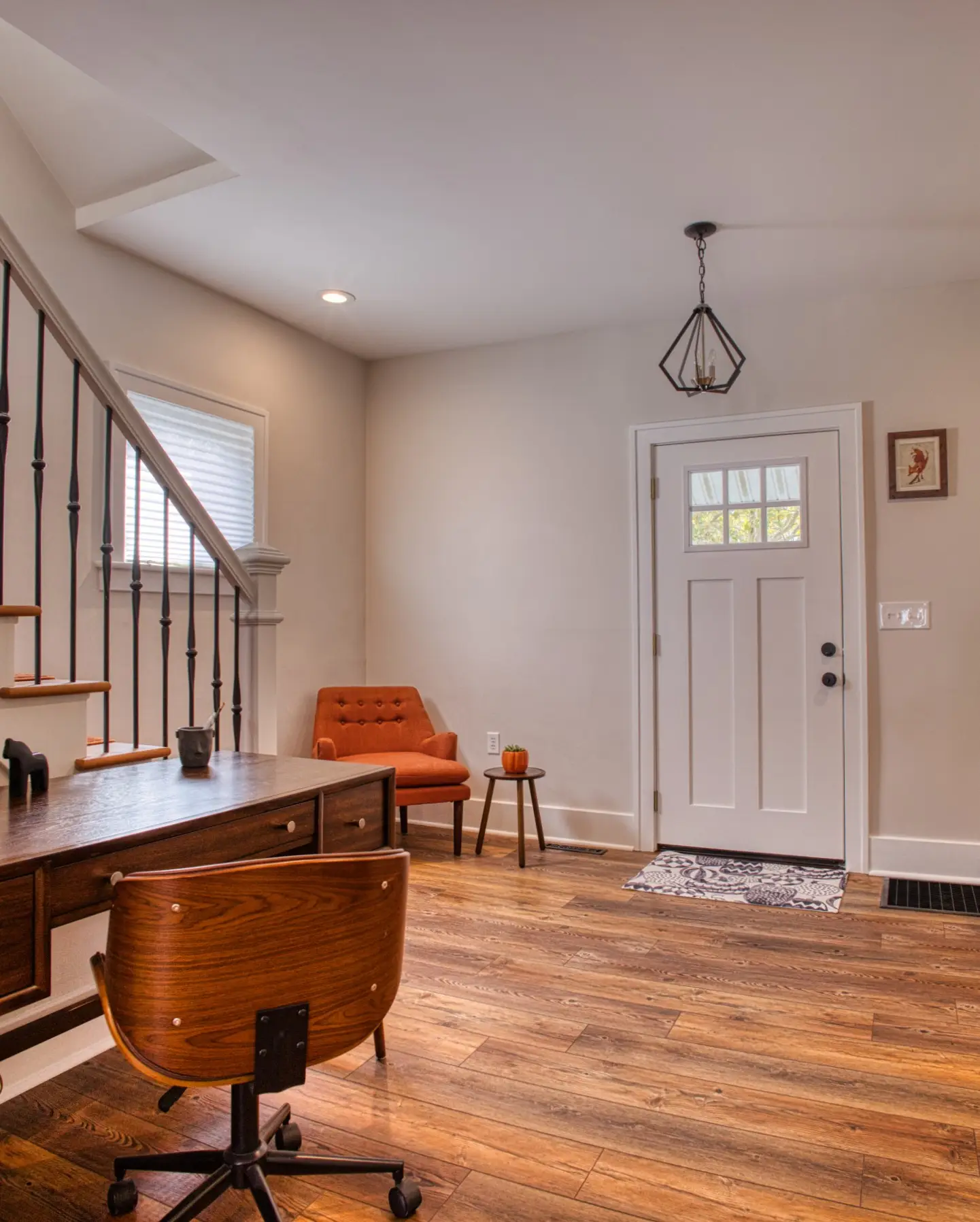
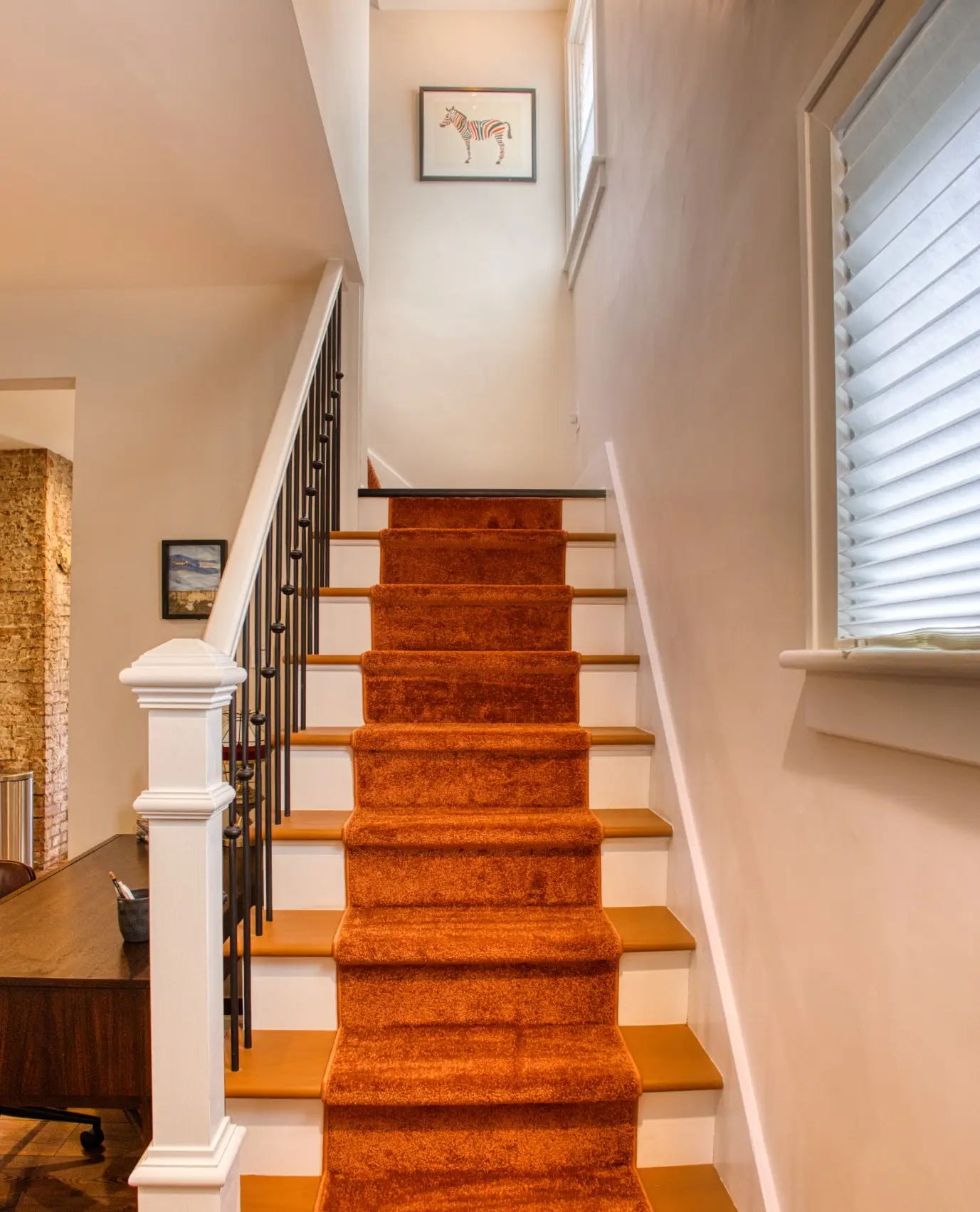
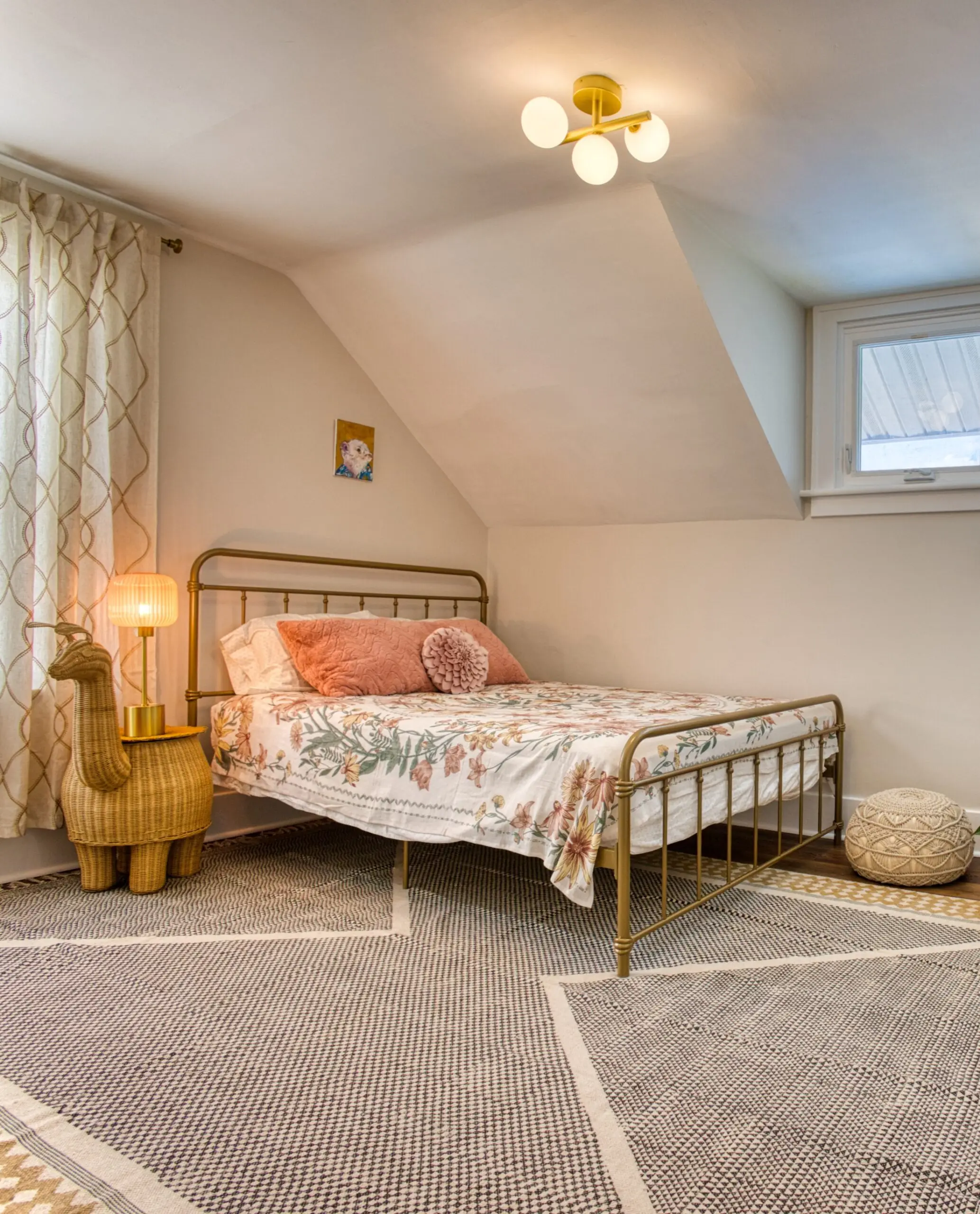
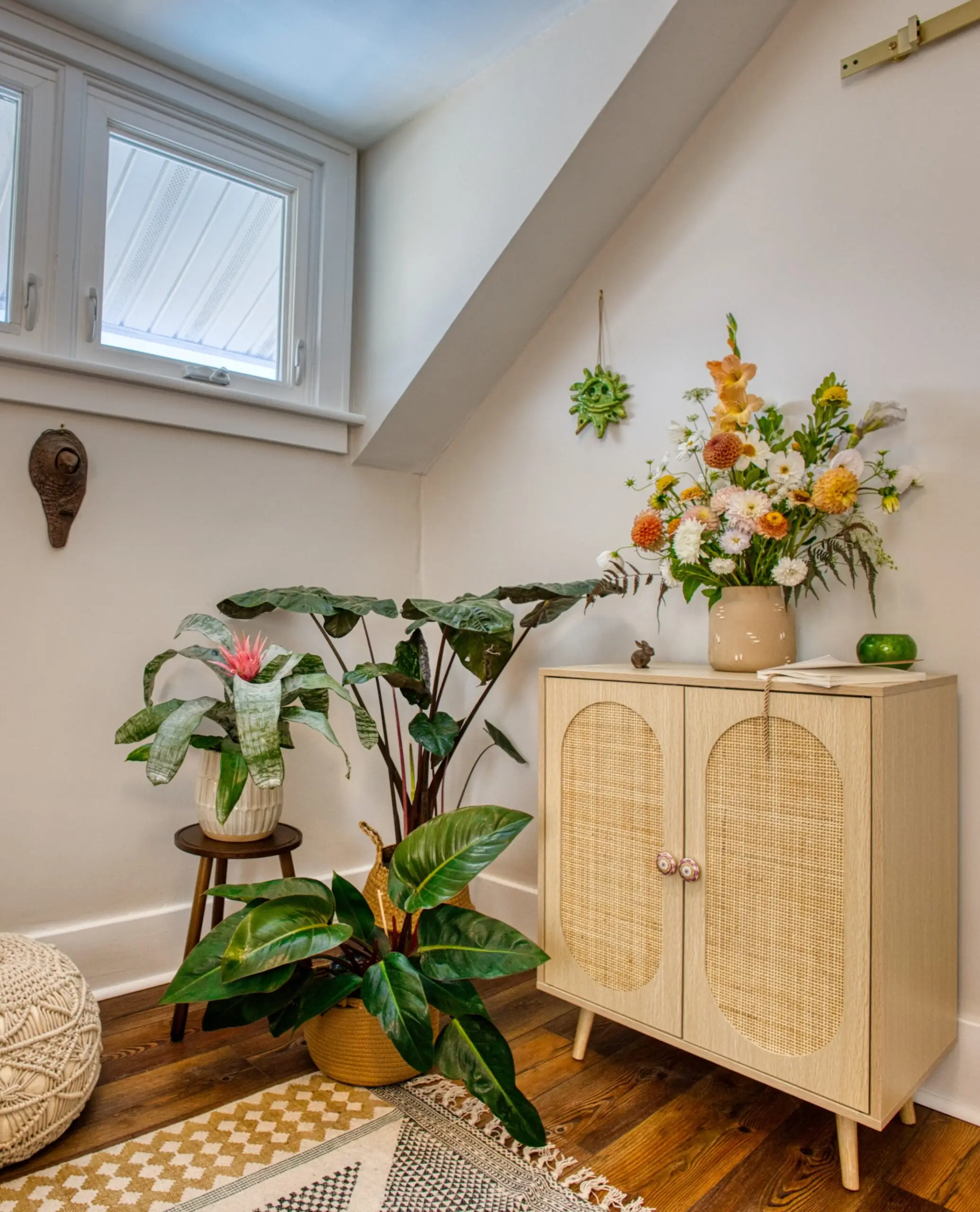
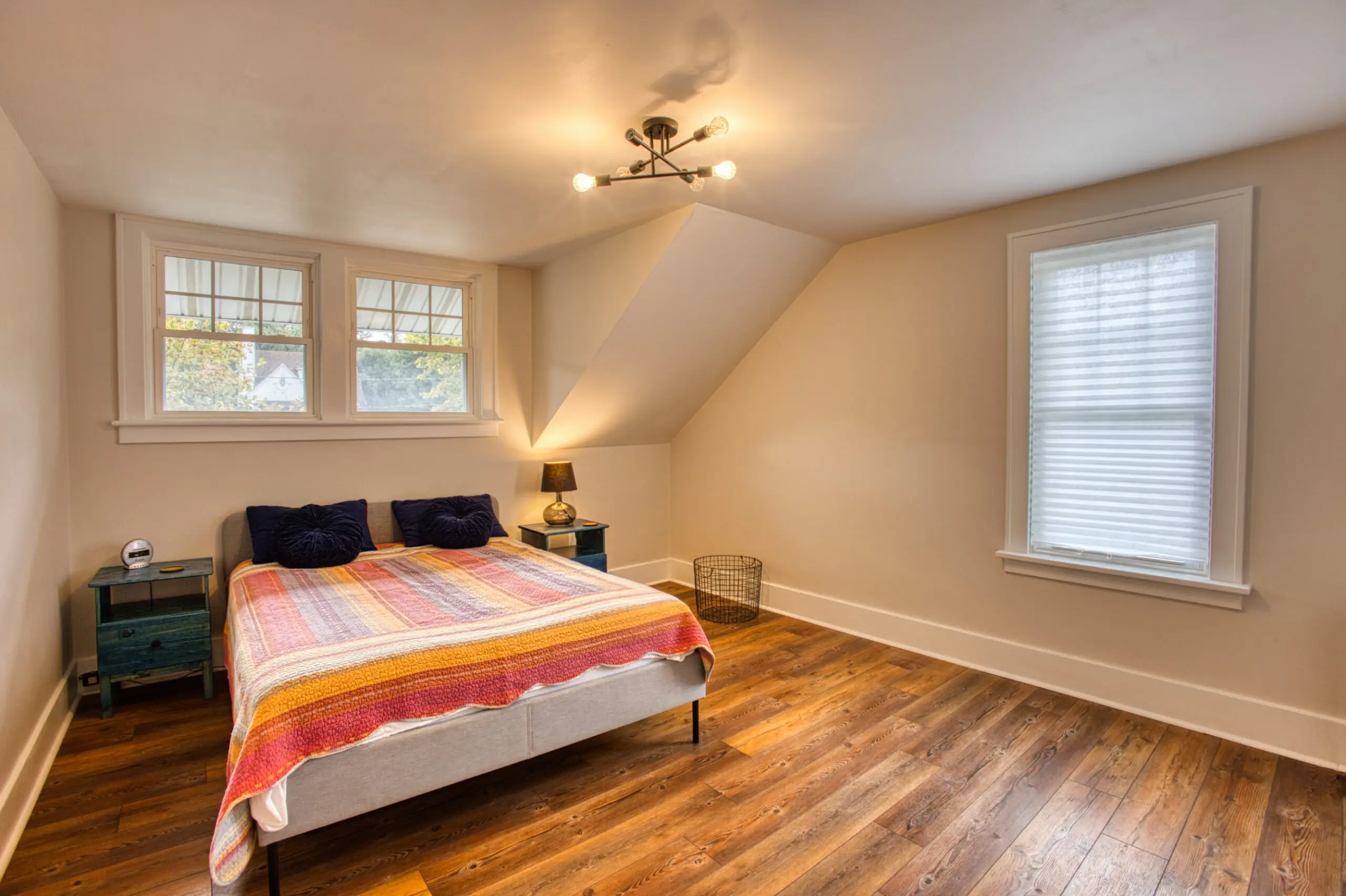
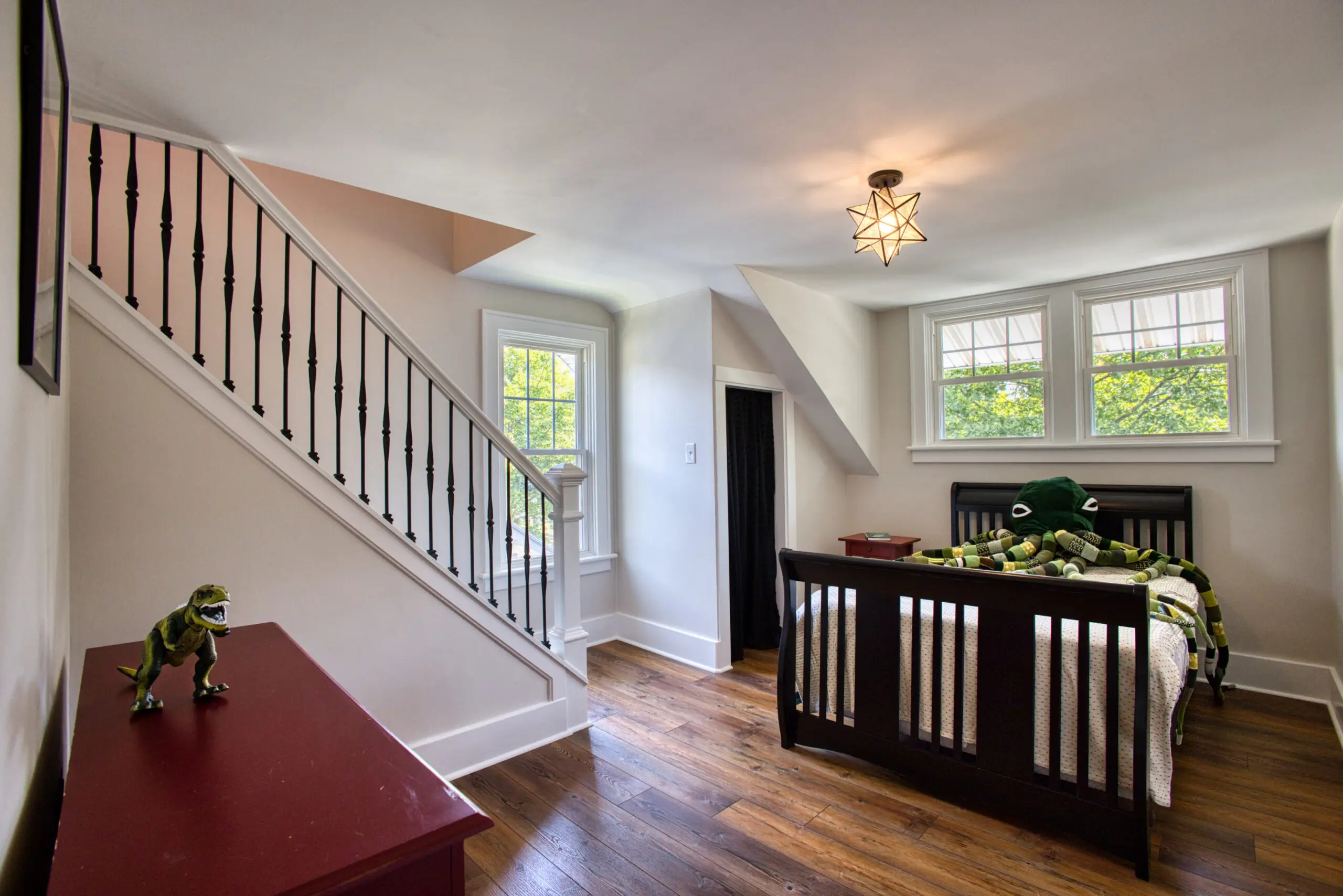
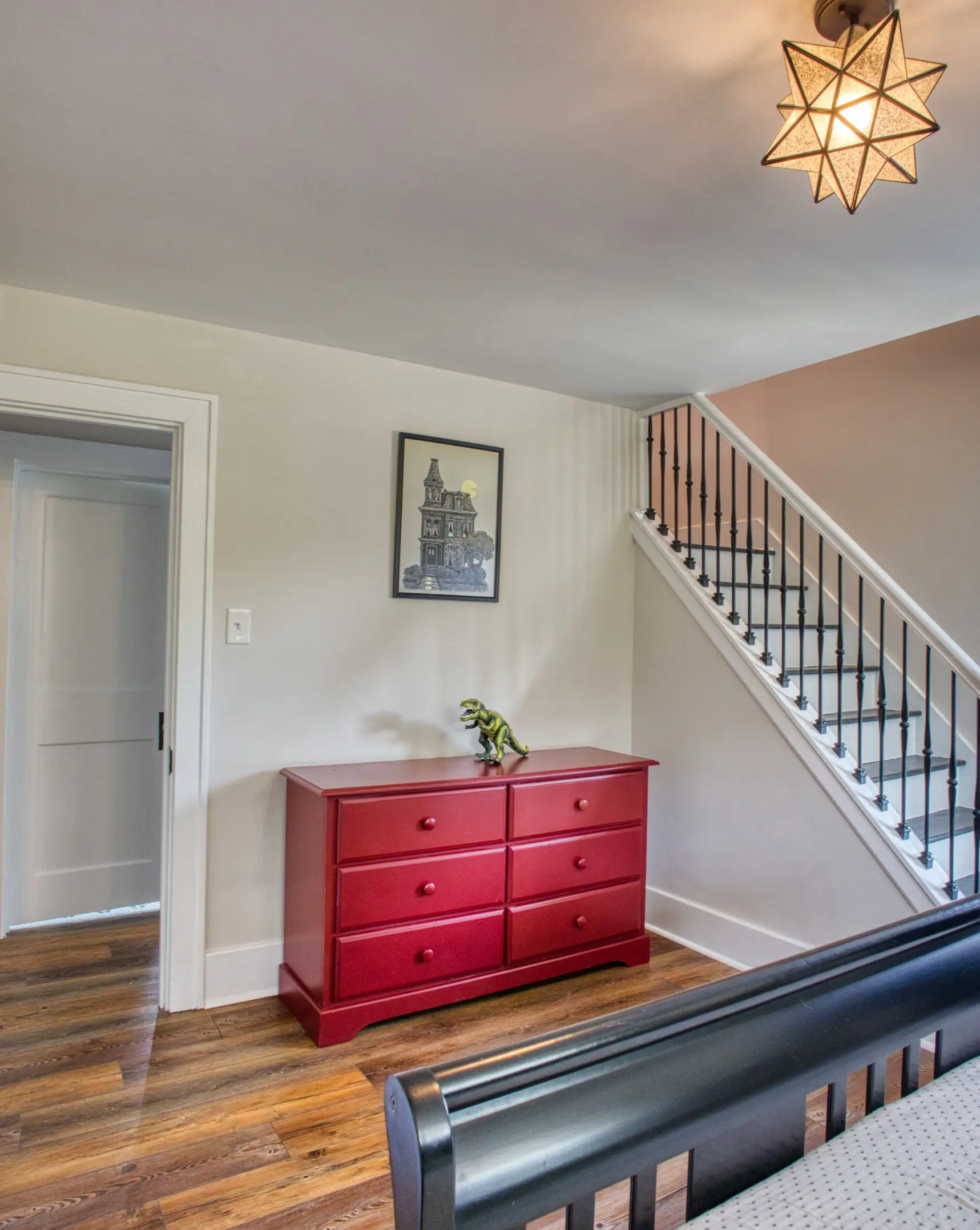
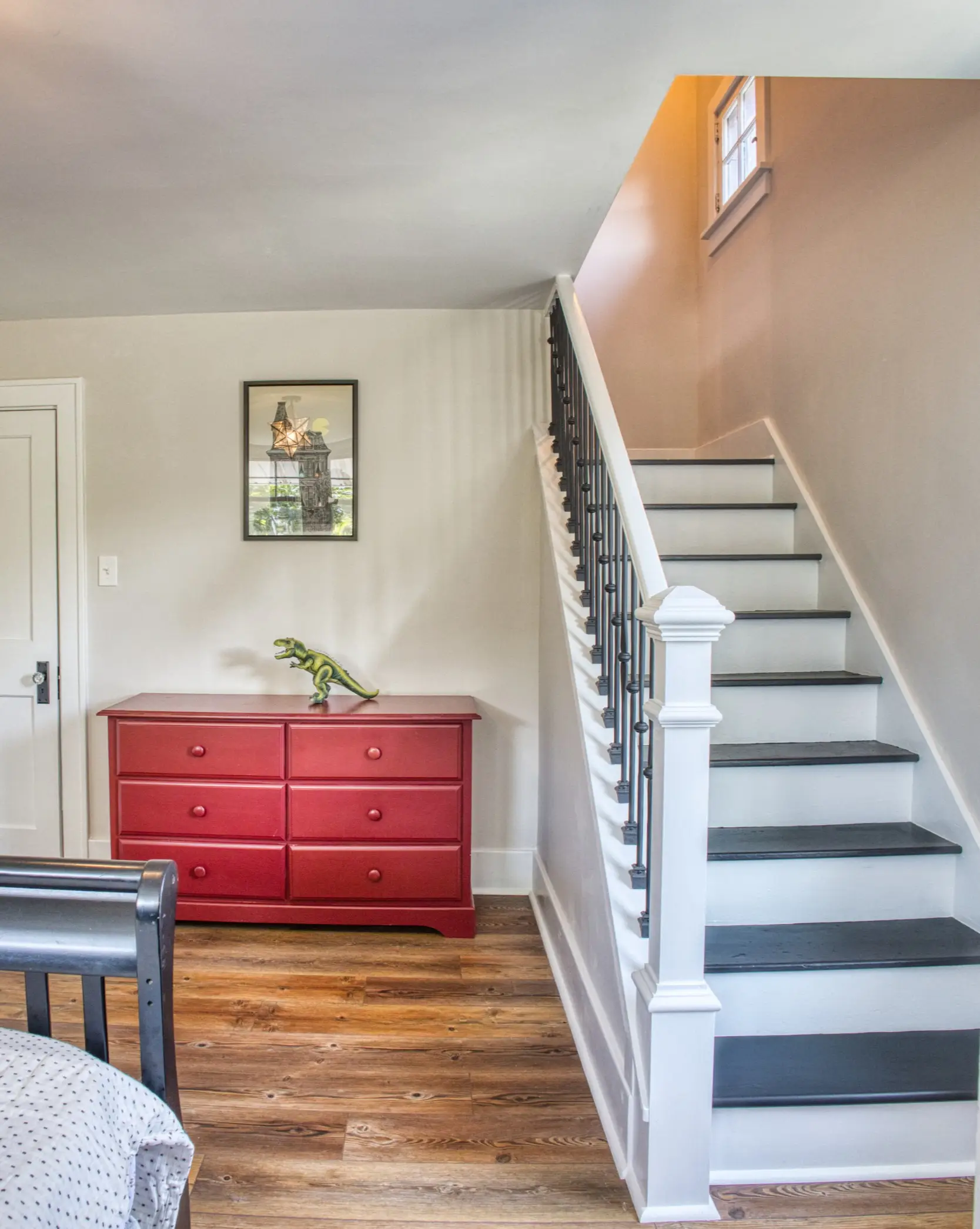
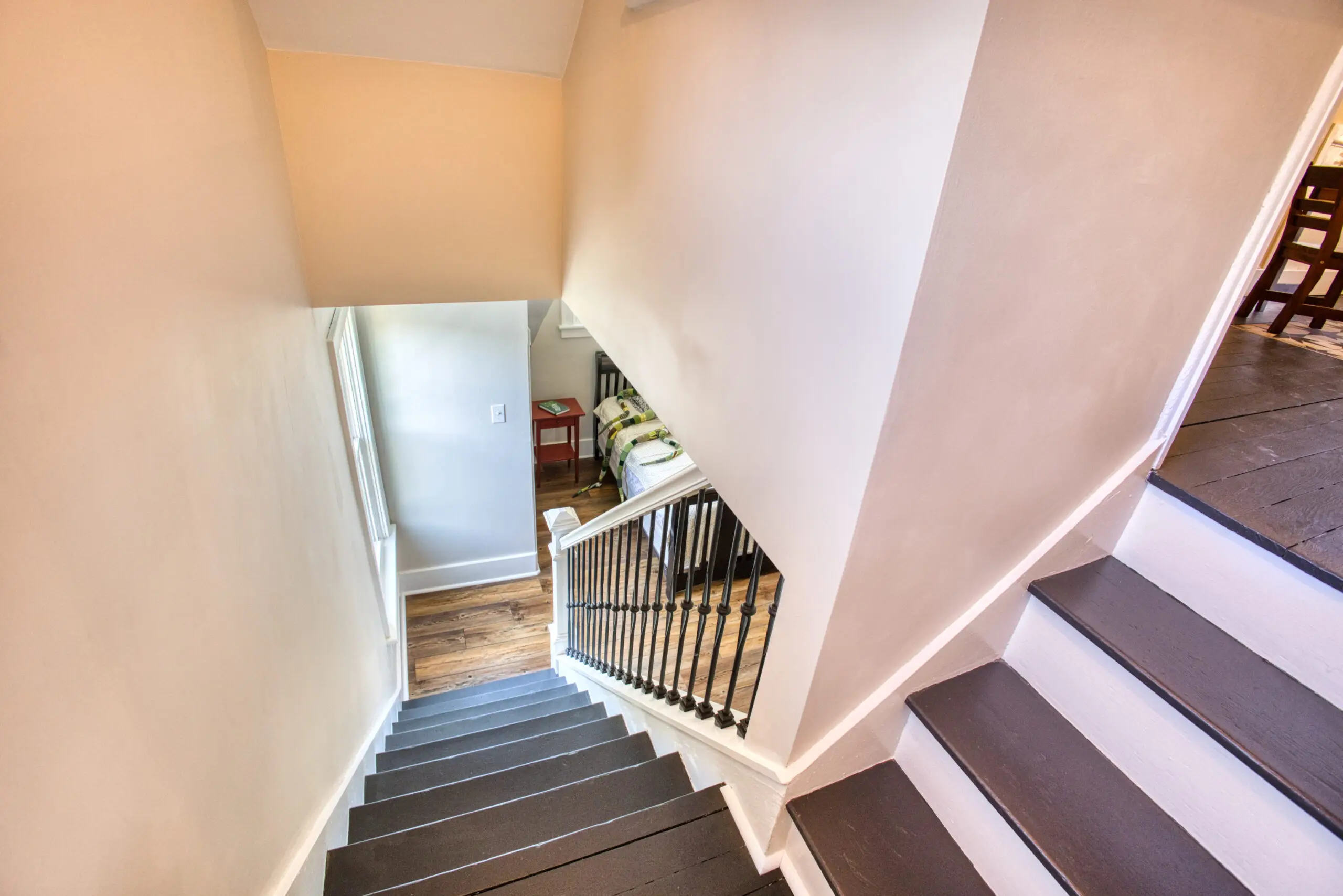
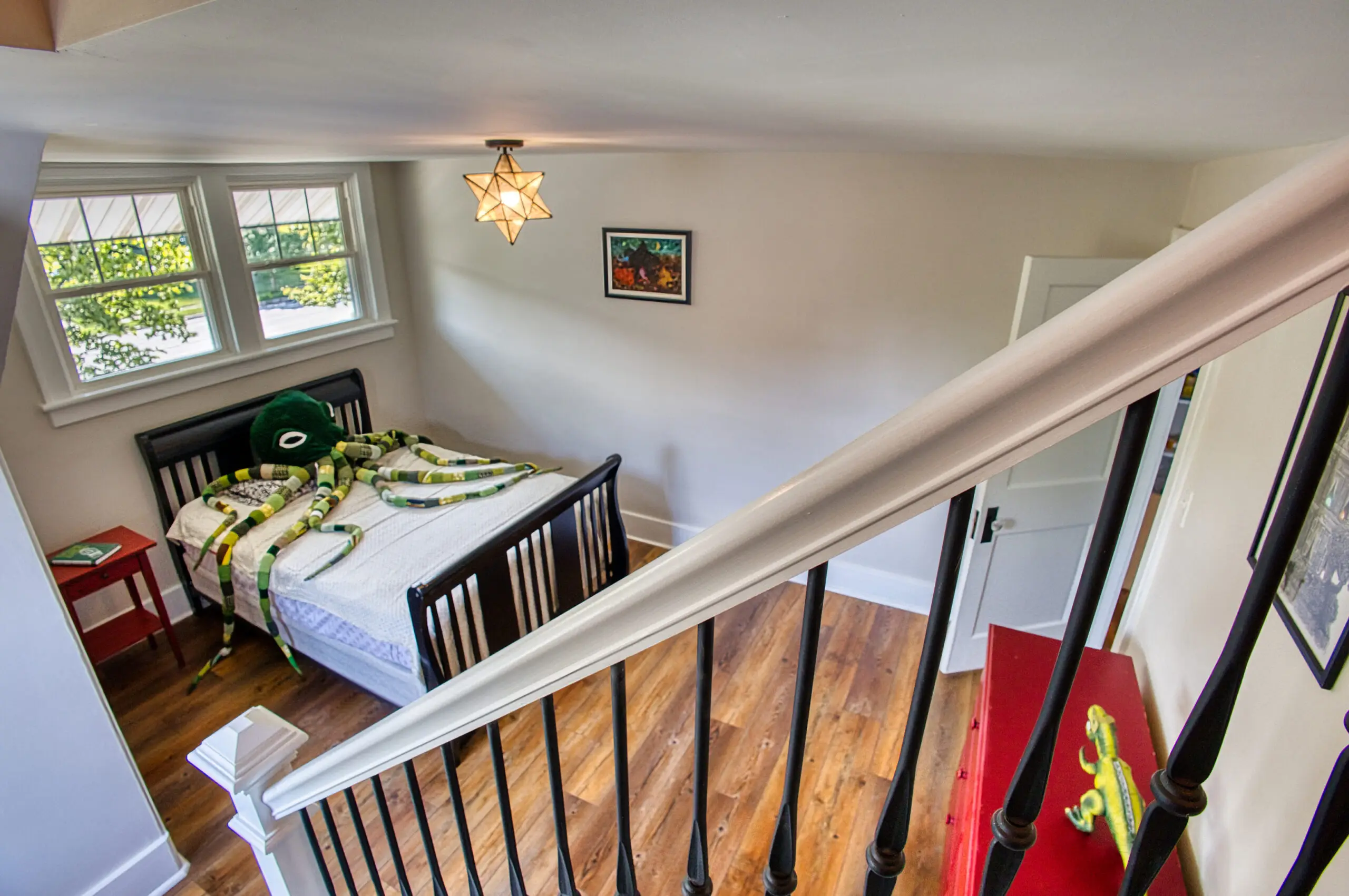
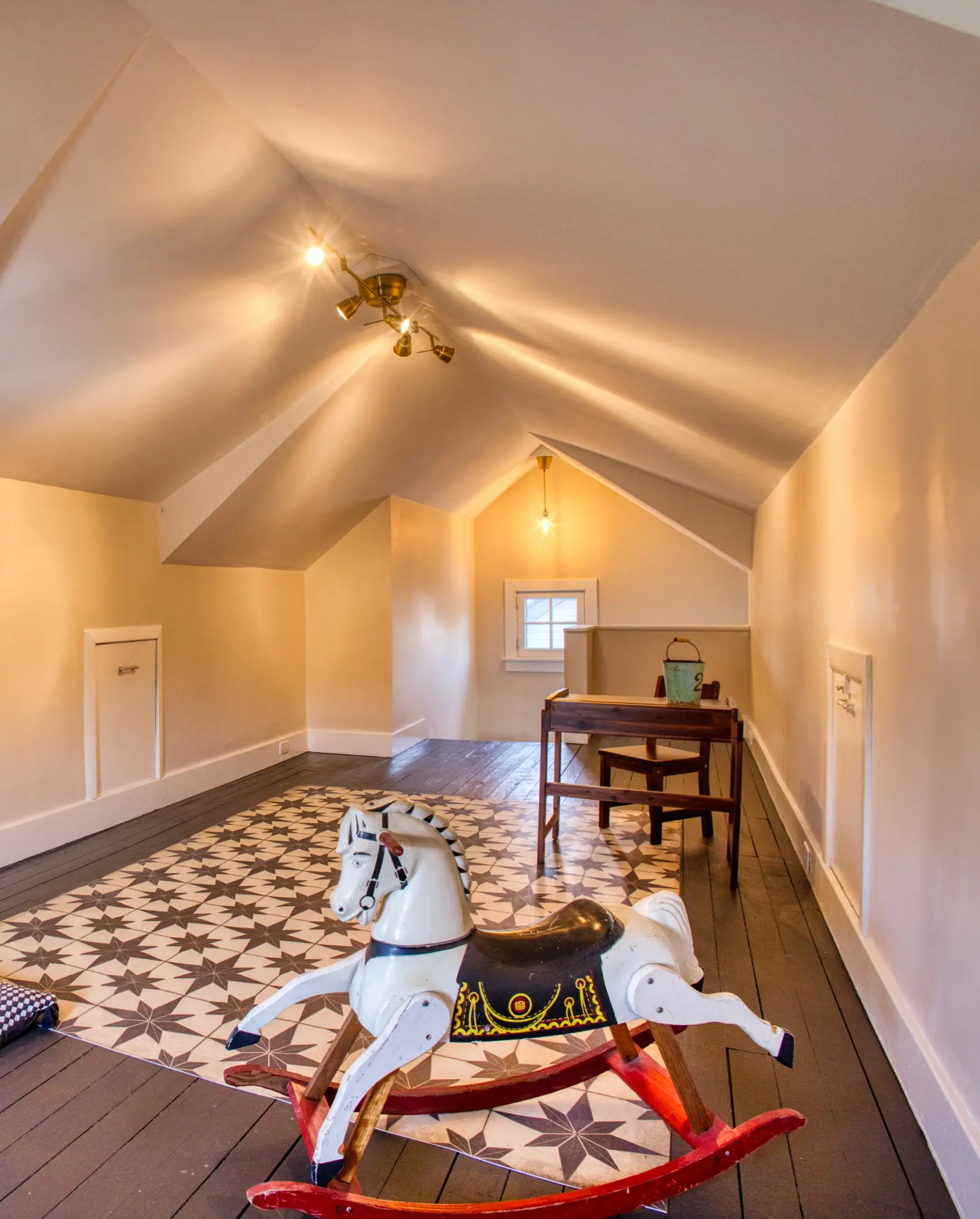
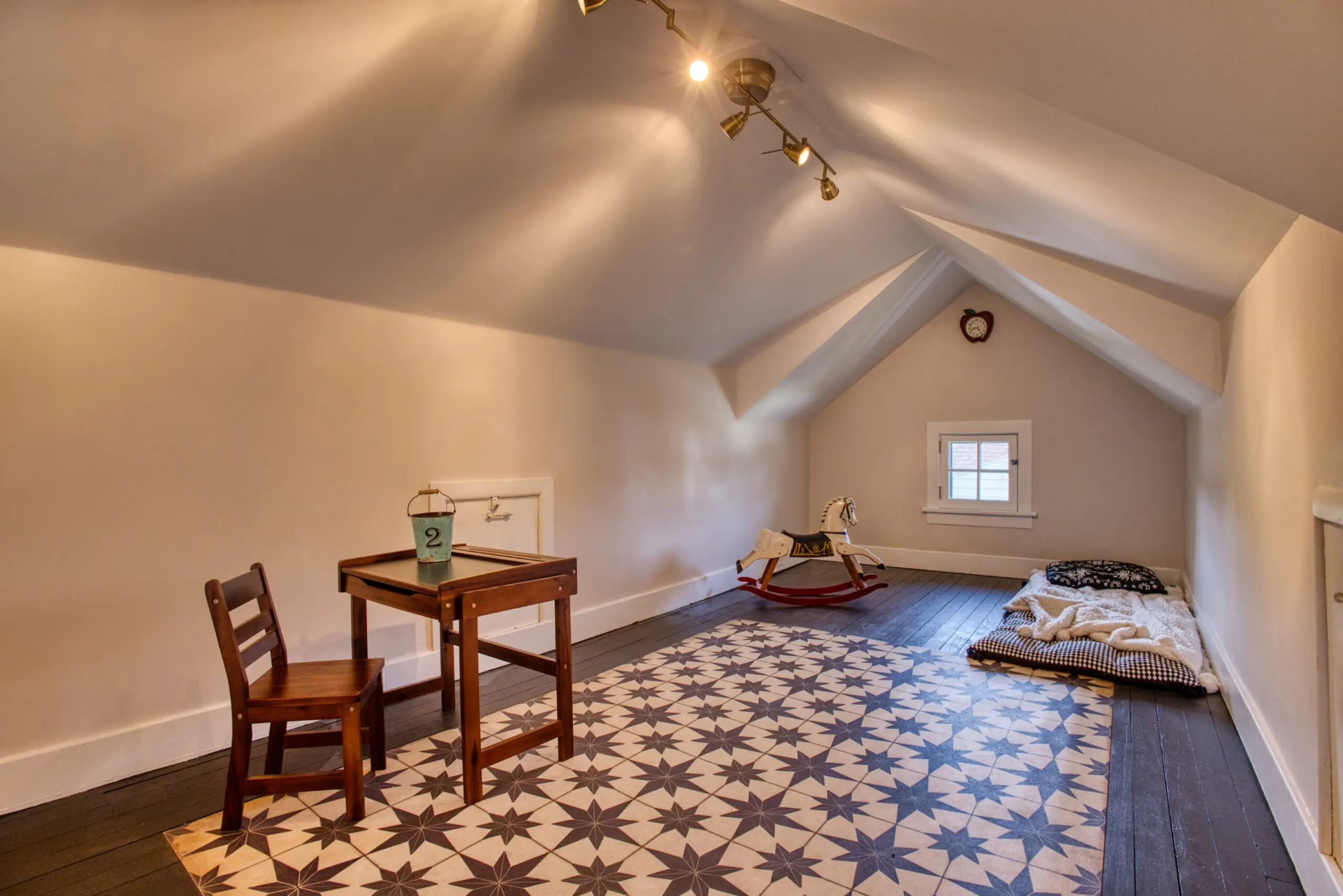
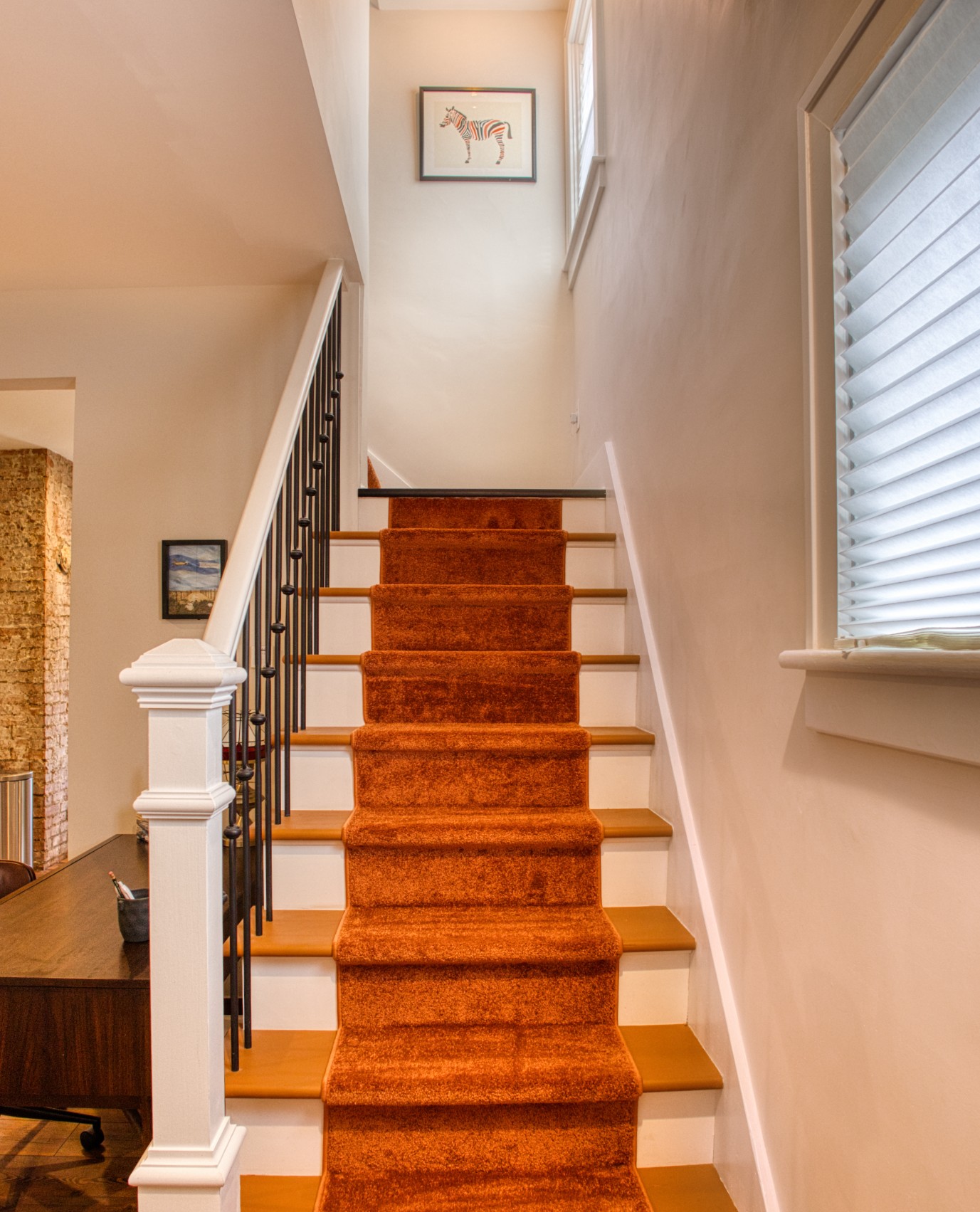
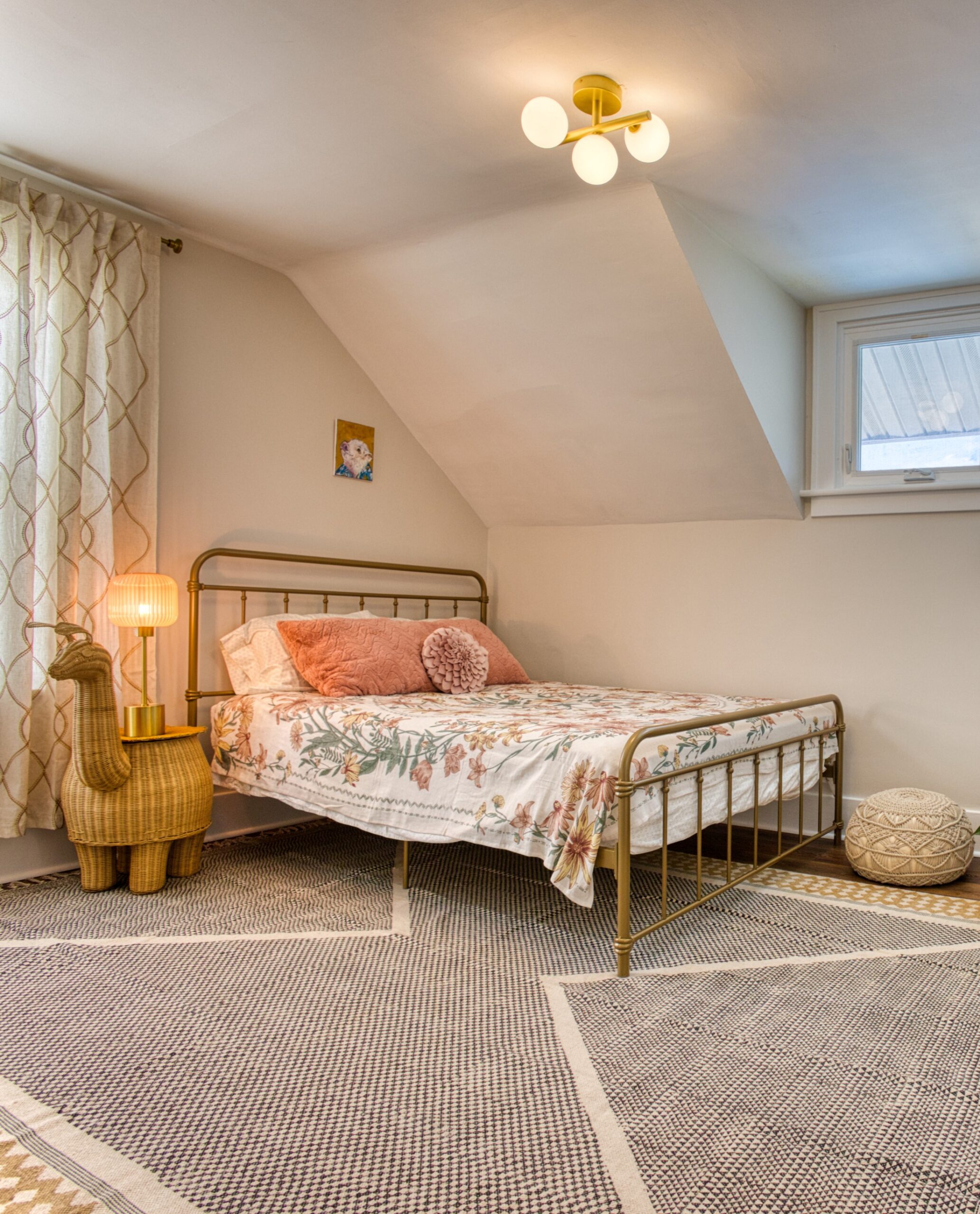
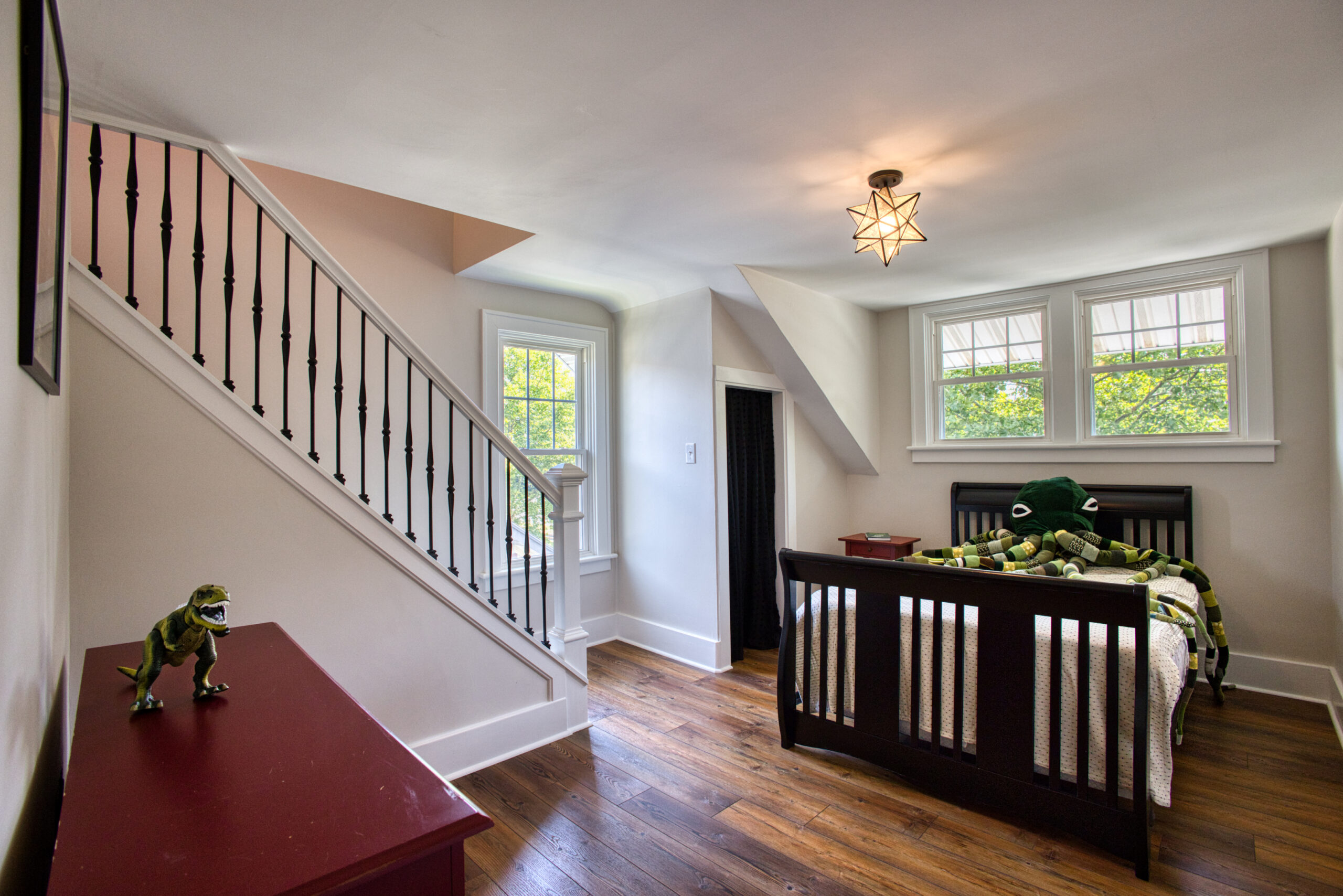
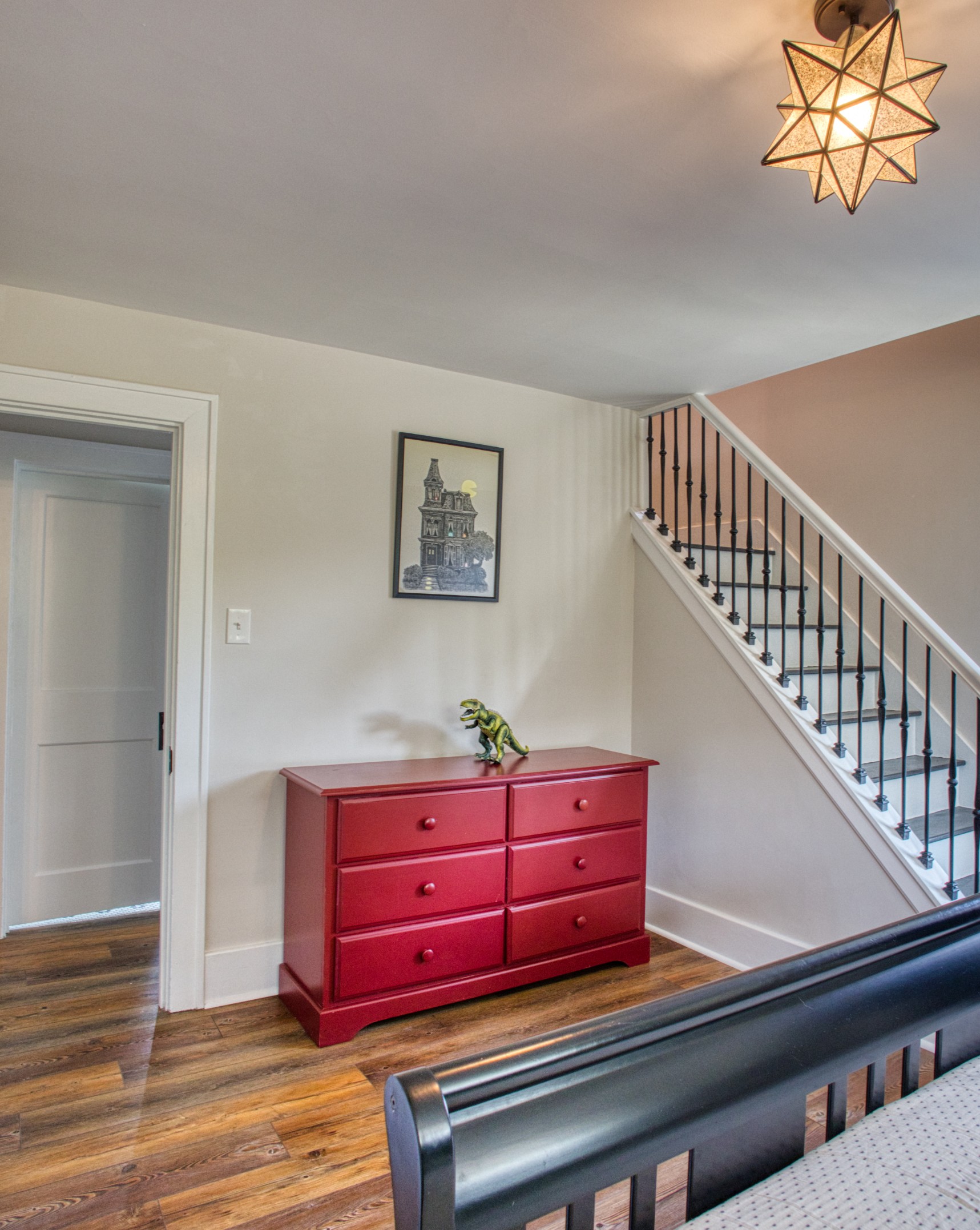
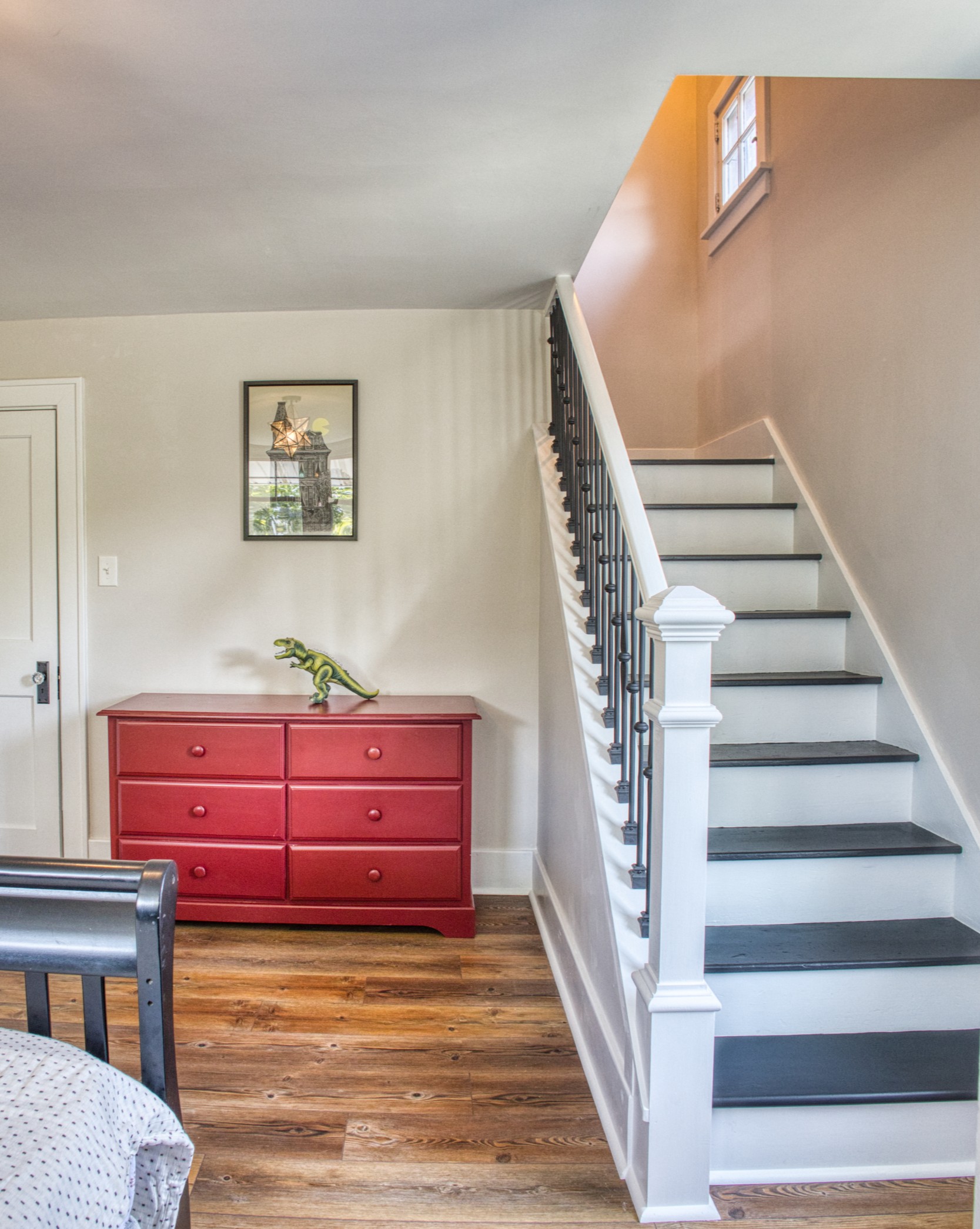
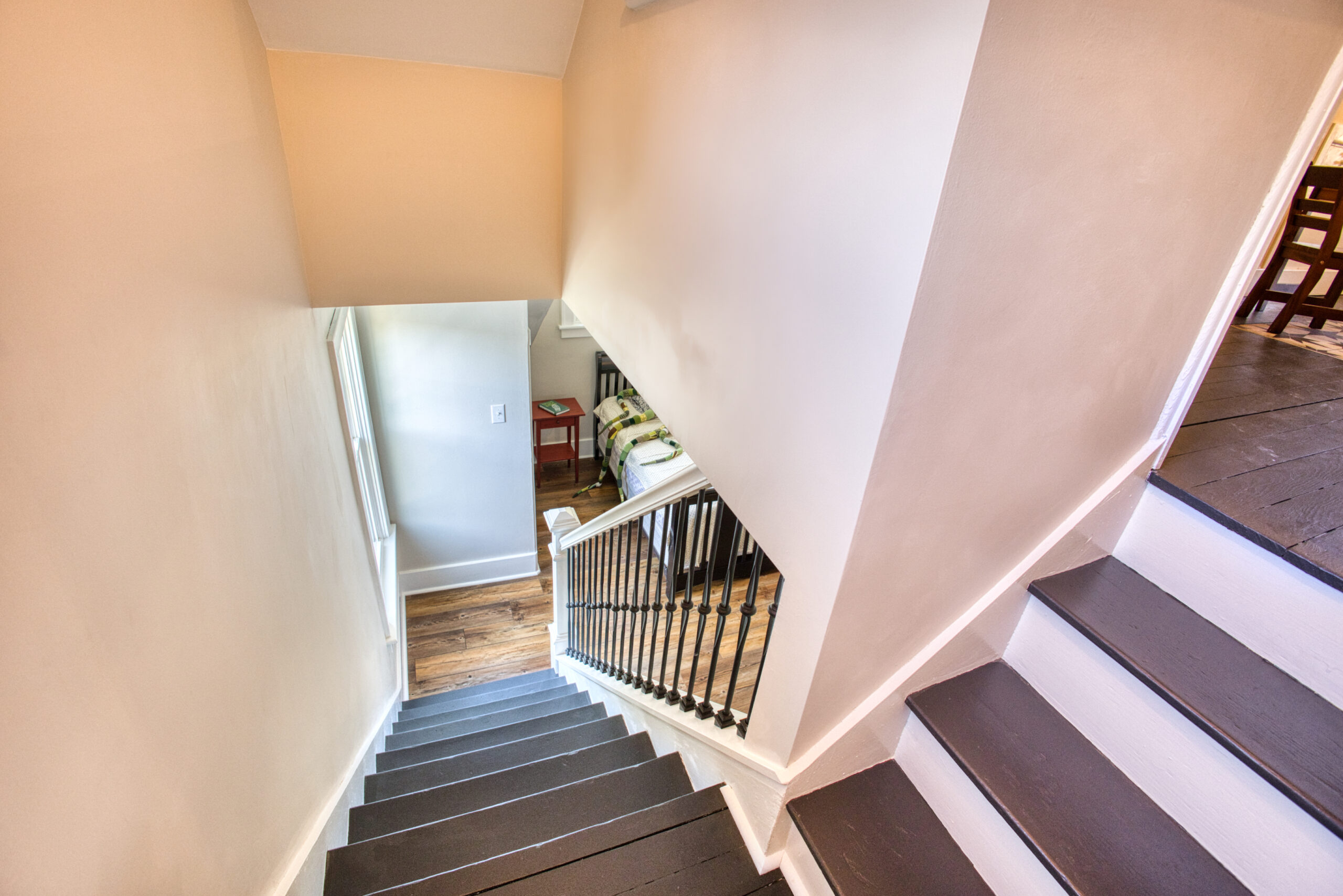
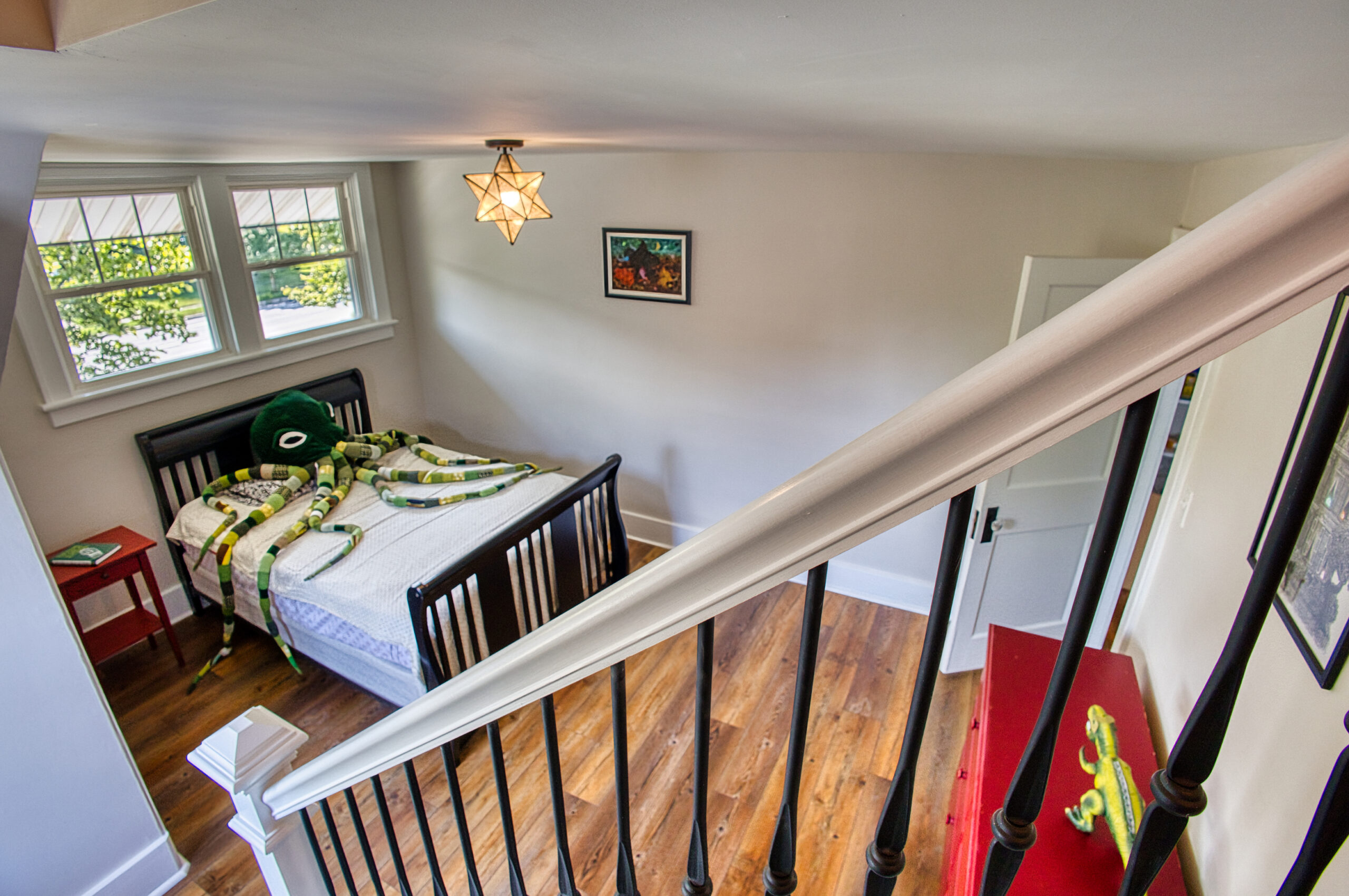
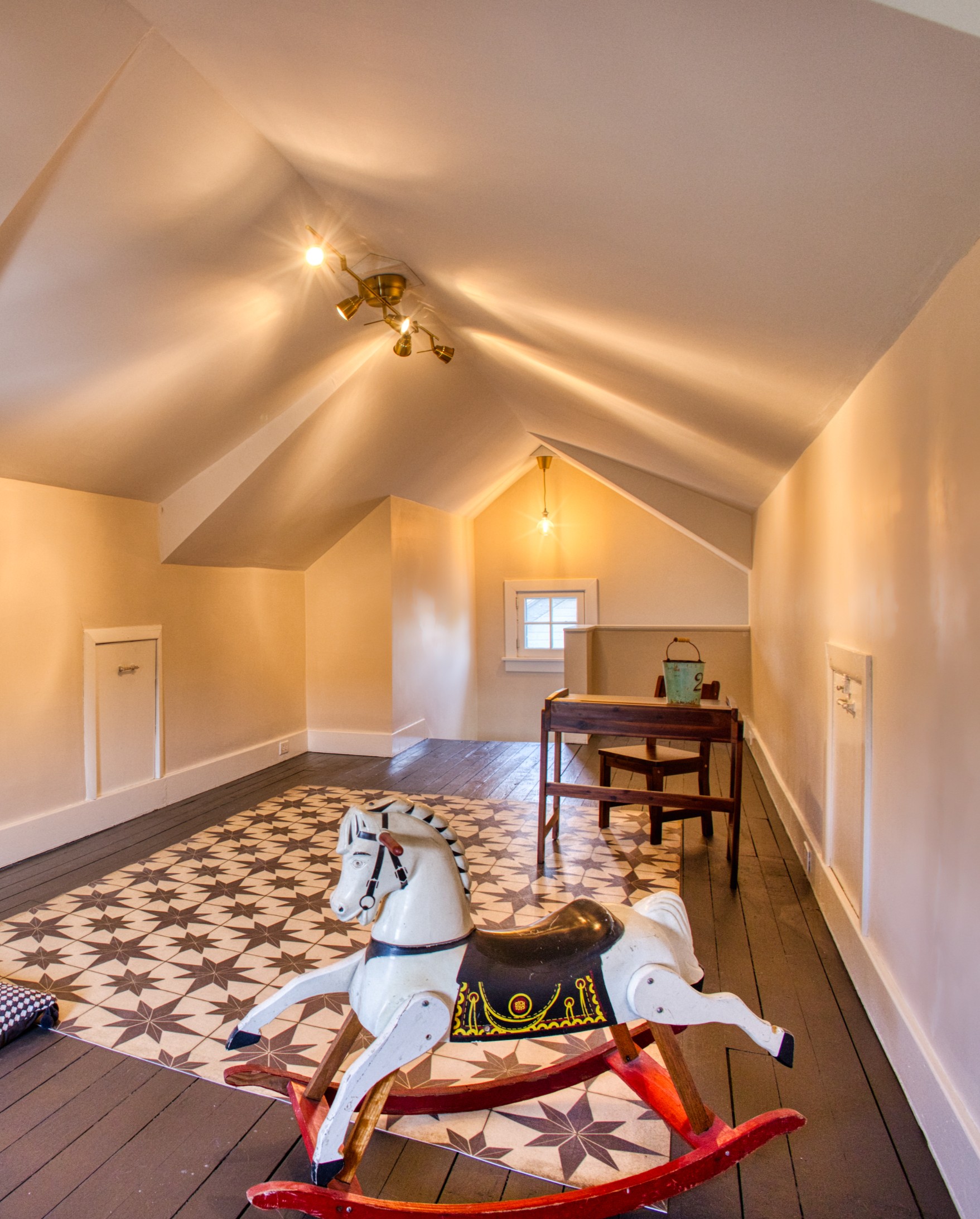
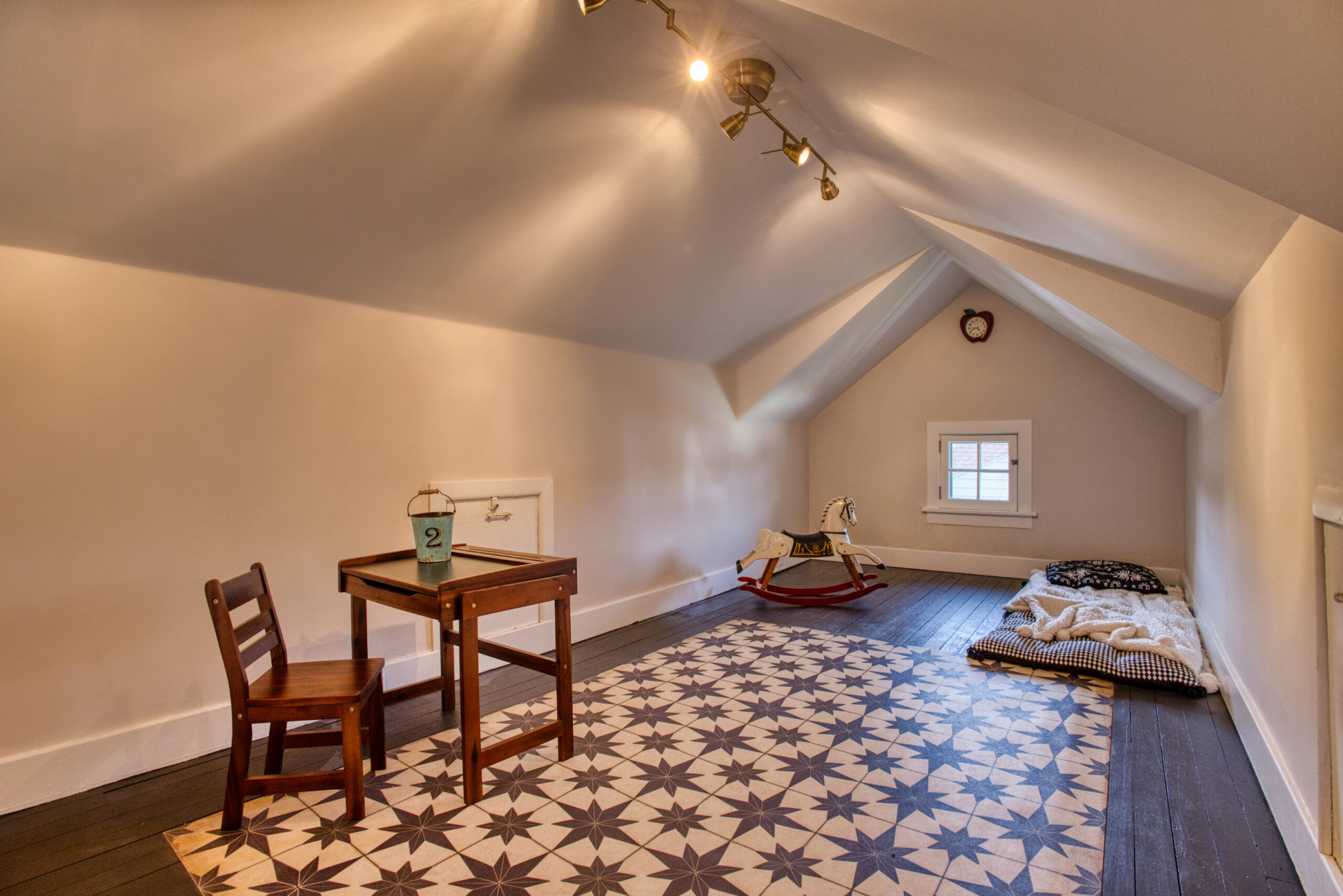
The third floor attic, a full size room, was accessed through a staircase enclosed with walls and a door in one of the bedrooms. The staircase was opened and fitted with railings, allowing the space to feel like an extension of the room rather than a separate compartment. A mini-split system provides heating and cooling, transforming the attic into usable flex space.
Restoring Craft and Character
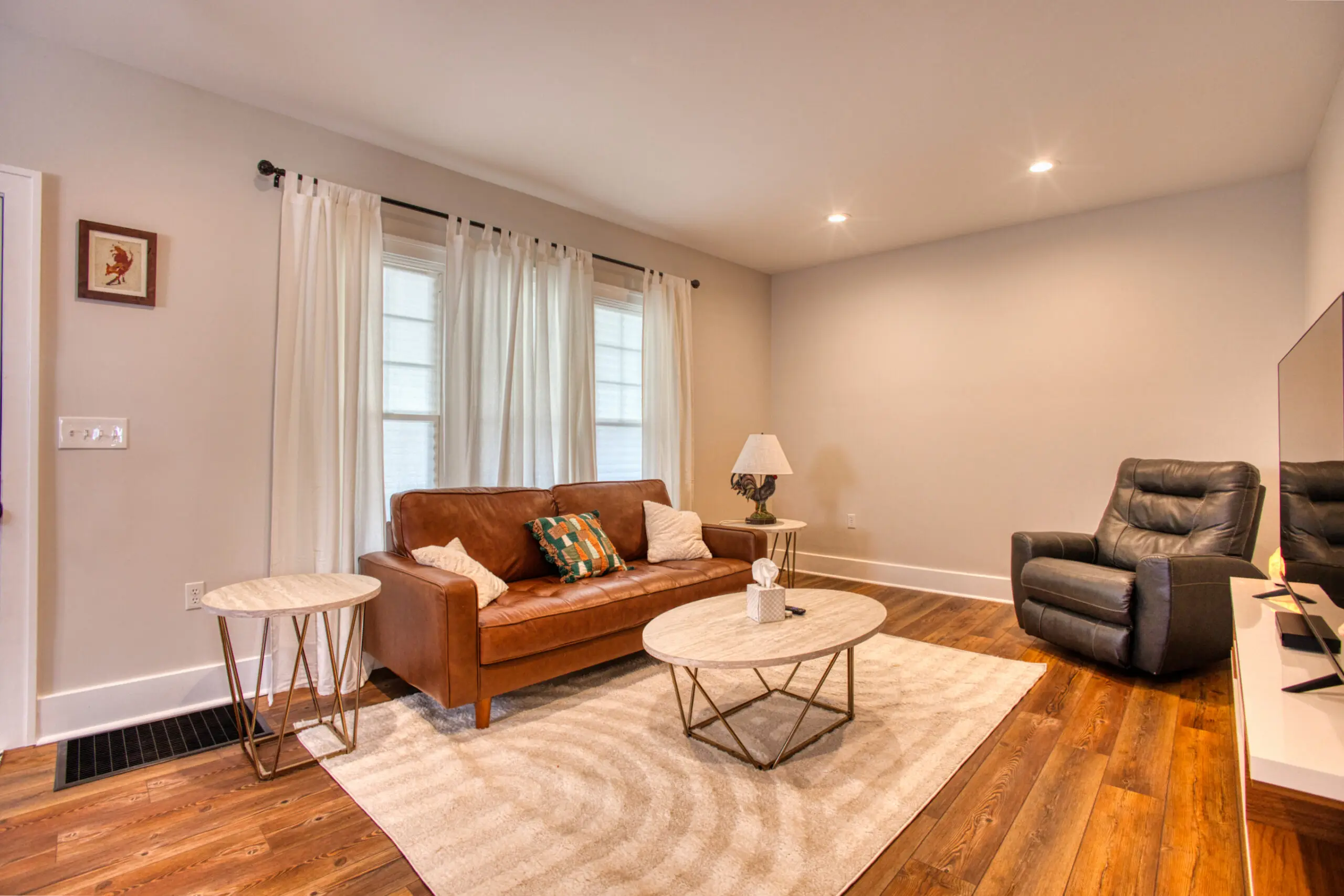
On the first floor, the walls were heavily damaged from paneling and prior modifications. We removed the compromised plaster and installed new plaster to match the original finish. This also allowed us to update the insulation.
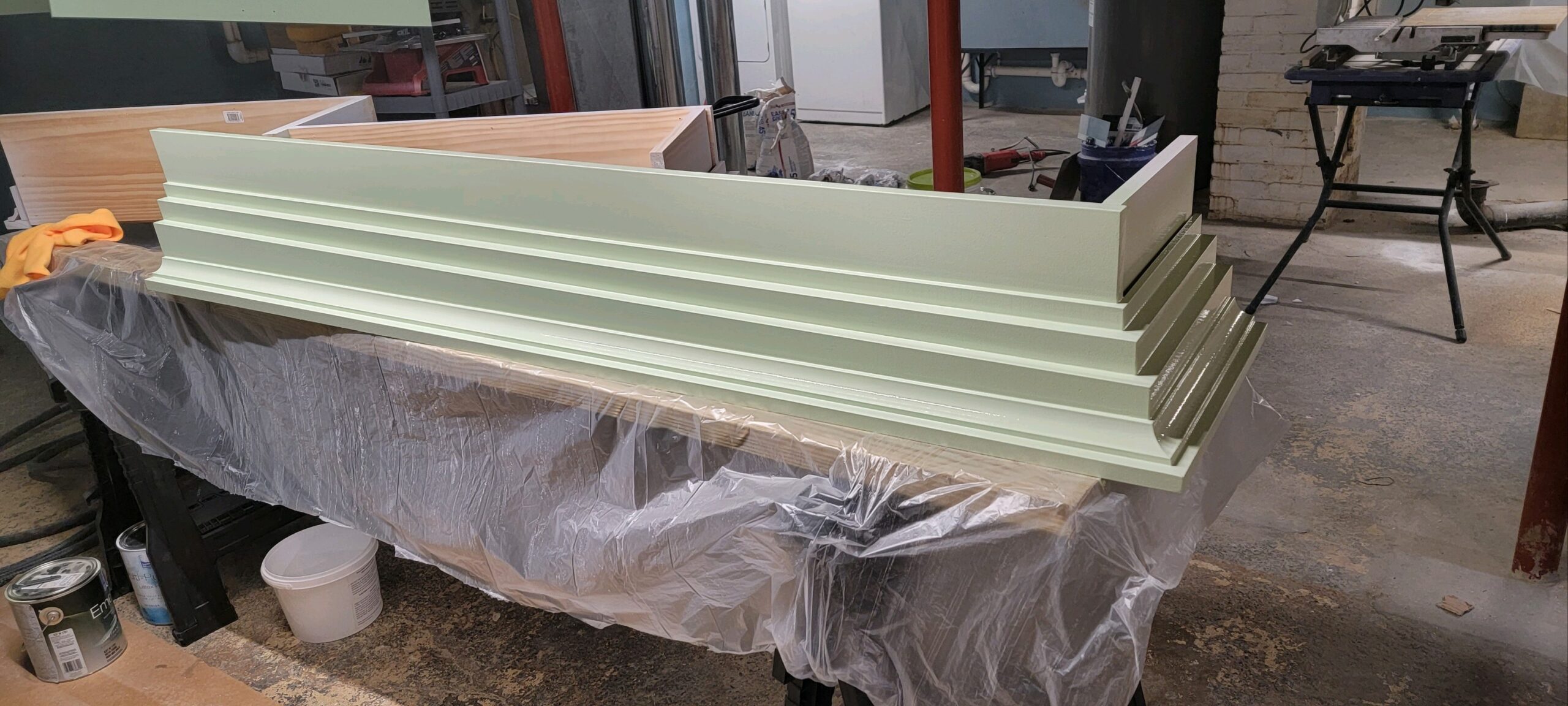
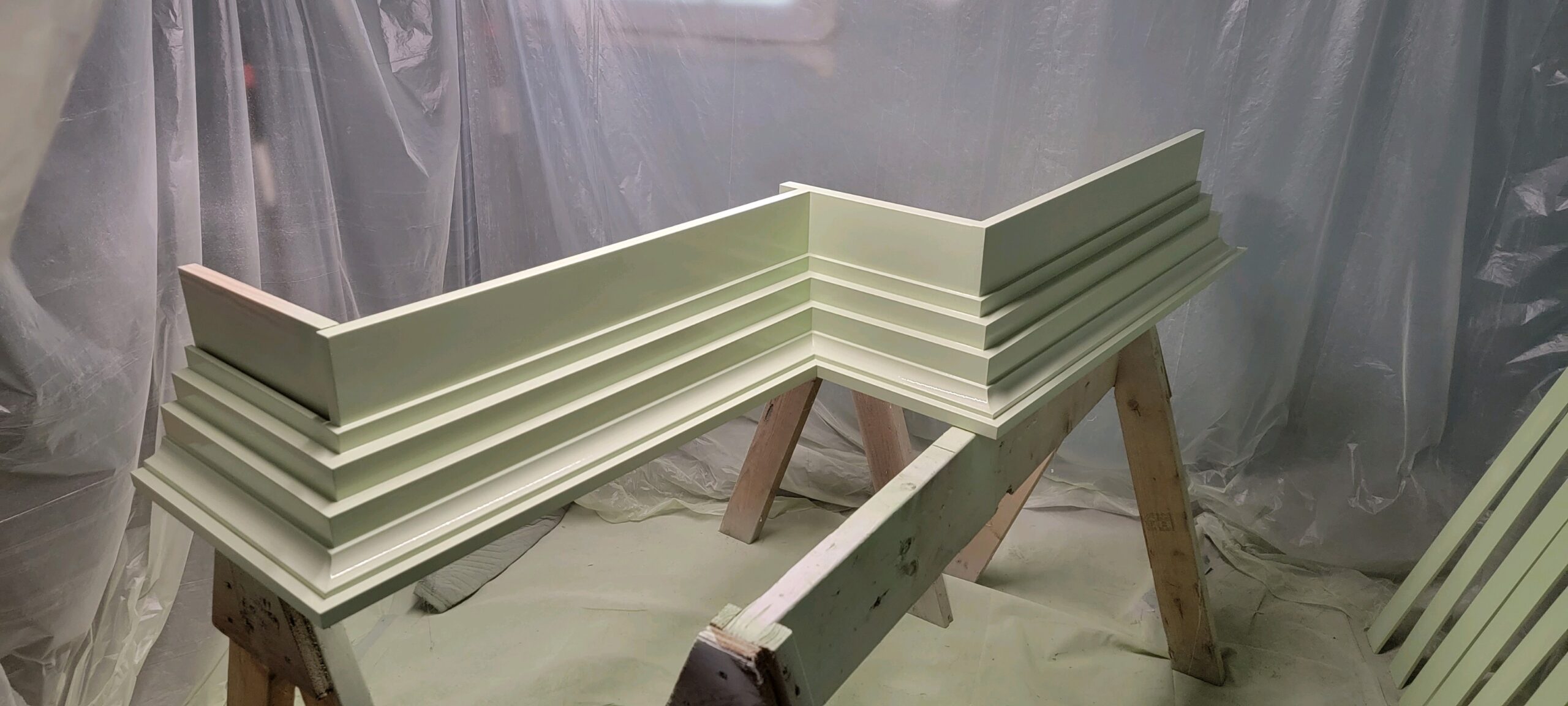
On the upper floors, original plaster was repaired and restored. Trim was repaired or replaced in kind.
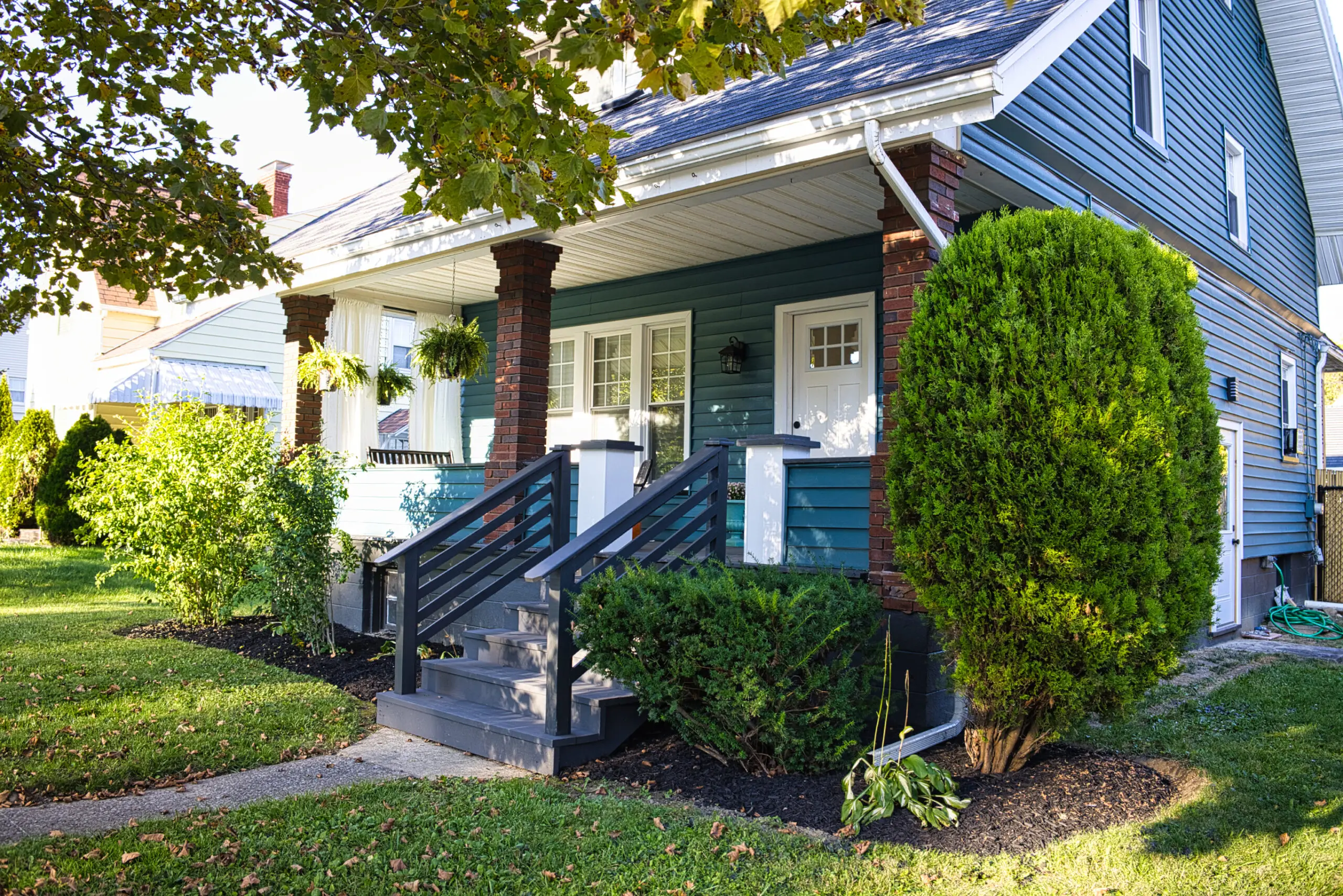
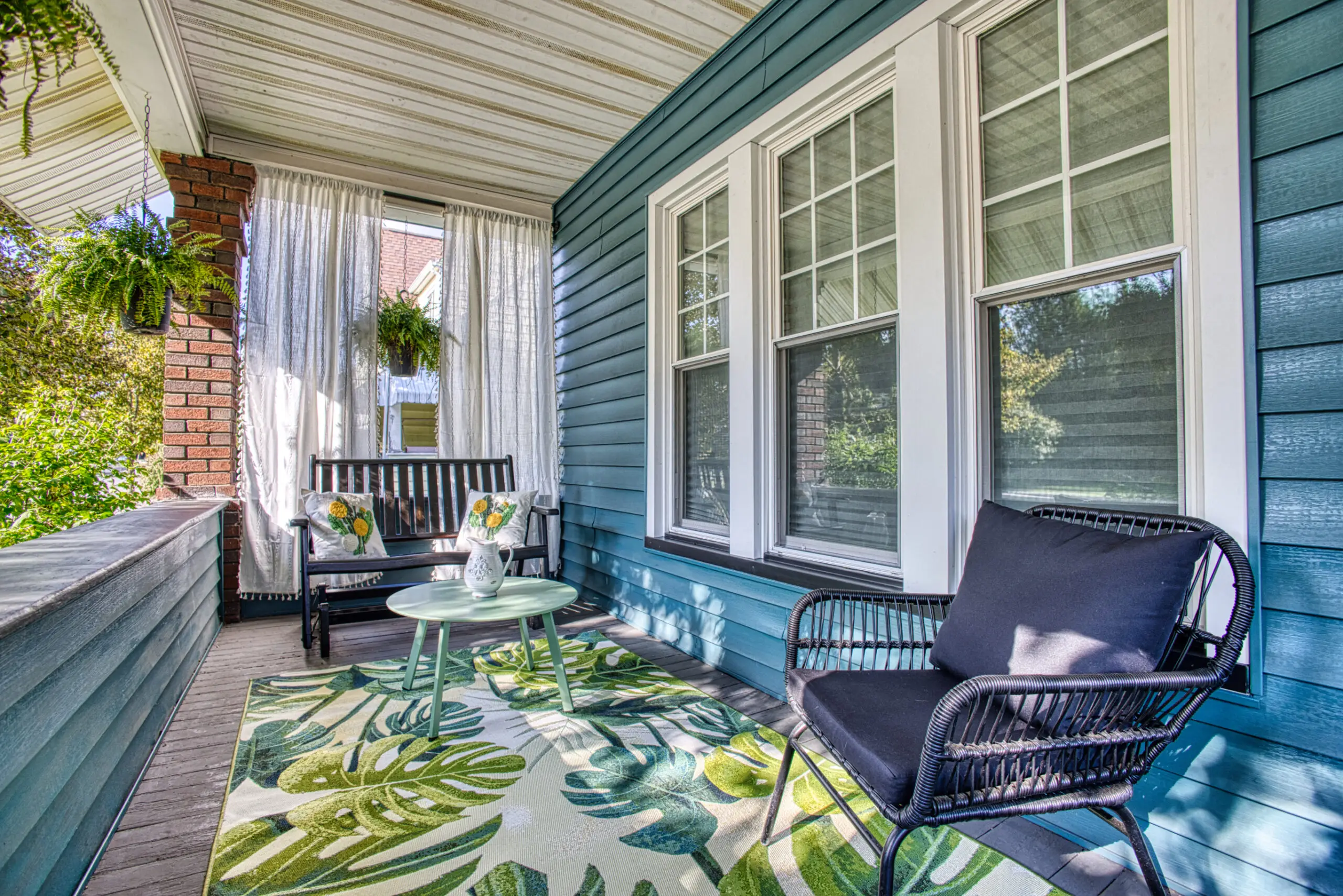
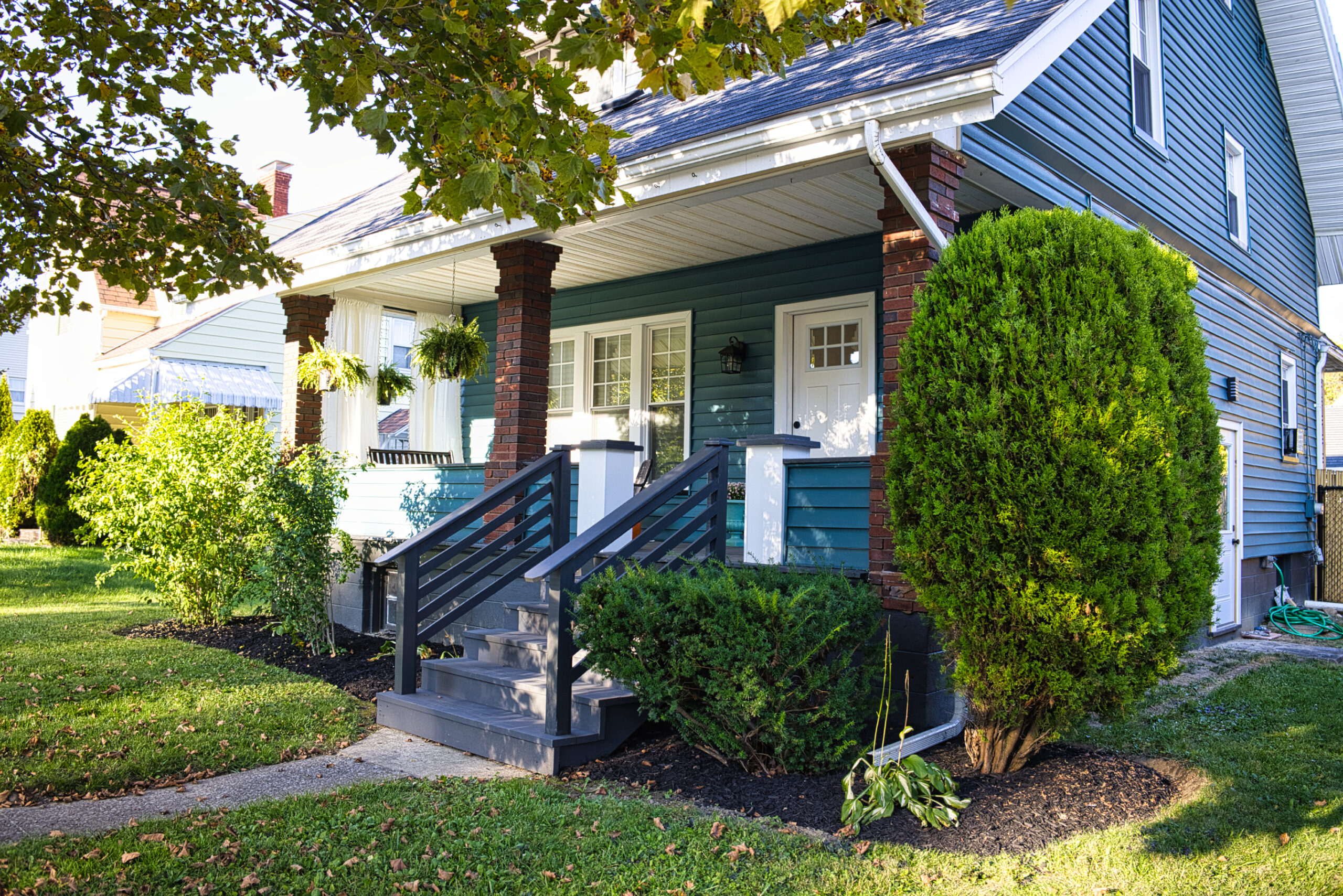
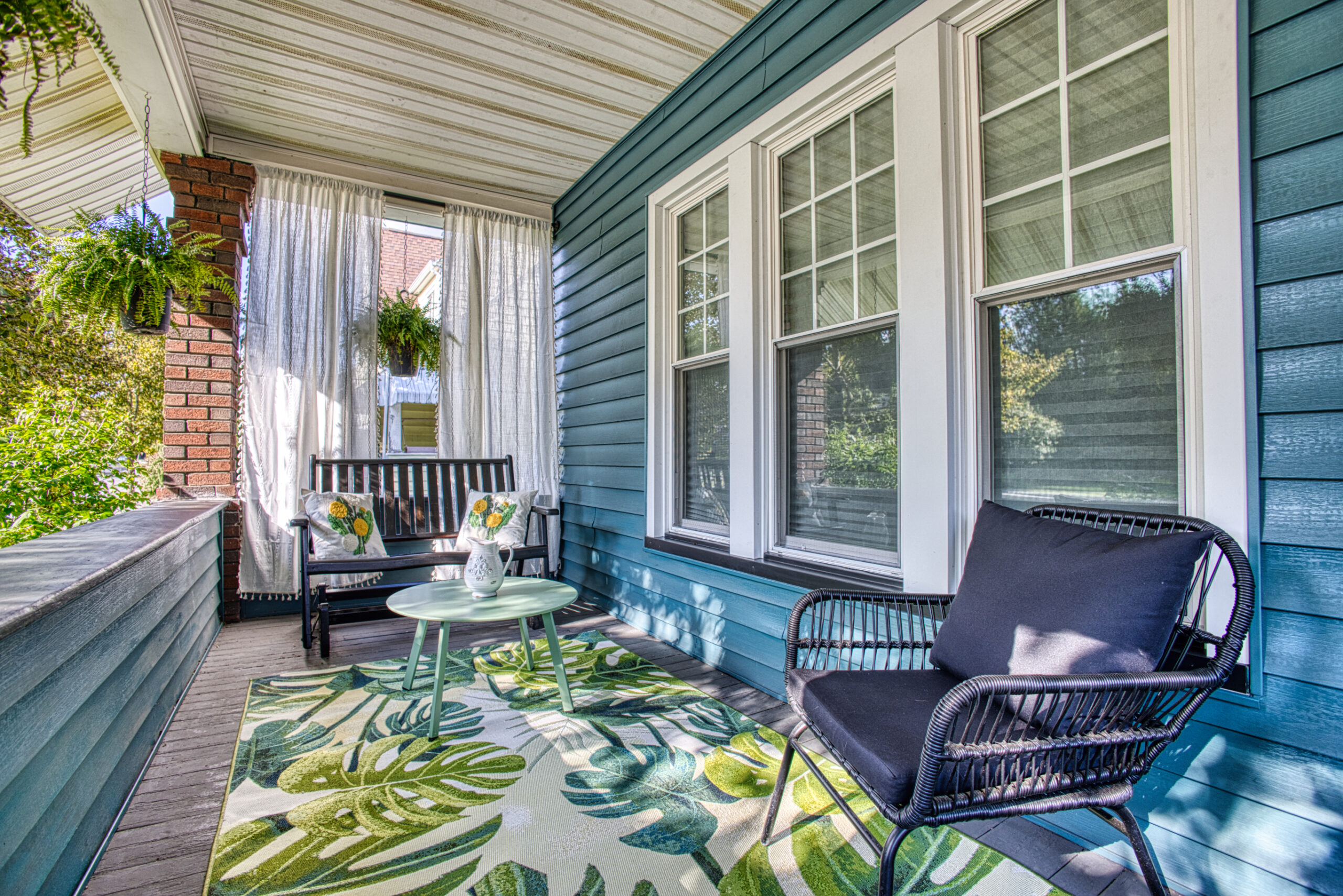
The front porch was stripped of more than twenty layers of paint, revealing and restoring the original woodwork.
During renovation, old Sears shipping paperwork was discovered stapled to the floor joists. This may indicate the home originated as a kit house or incorporated catalog materials. Whether confirmed or not, the goal was to ensure that new work felt like a continuation of the home’s story.
The Result
The bungalow did not grow in size. It grew in usability while maintaining its charm and character.