

RŌDN Studio is a residential design practice led by Roberta D’Andrea, a Science in Design–certified designer and Pennsylvania registered General Contractor. Our studio concepts are brought to life through the RŌDN Build team of fine carpenters, makers and tradespeople. Our team has spent years renovating and building projects together.
Design + custom cabinetry and millwork is available for smaller-scope projects within a 3-hour radius of our studio, including areas of Maryland and West Virginia. The studio will provide plans, drawings, specify finishes, and coordinate other materials. Cabinetry and materials are delivered to your project site. We can also coordinate with your chosen contractor to ensure a smooth install.
We are with you every step of the way, from testing ideas and visualizing through 3D renders to choosing colors, curating materials and finishes, and guiding the project through installation. Our goal is to work with you to create a space that feels meaningful and personal.
Design can enhance human health and wellbeing. We focus on the human experience and how spaces feel to be in. Through integration of materials, nature, balance, and narrative, we can feel more connected and supported by the built environment.
Relationships take time. RŌDN Studio focuses on a select number of full service design-build projects. Contact us to check availability and see if your project is a good fit.
Design + custom cabinetry and millwork is available for smaller-scope projects within a 3-hour radius of our studio, including areas of Maryland and West Virginia. The studio will provide plans, drawings, specify finishes, and coordinate other materials. Cabinetry and materials are delivered to your project site. We can also coordinate with your chosen contractor to ensure a smooth install.
We are with you every step of the way, from testing ideas and visualizing through 3D renders to choosing colors, curating materials and finishes, and guiding the project through installation. Our goal is to work with you to create a space that feels meaningful and personal.
Design can enhance human health and wellbeing. We focus on the human experience and how spaces feel to be in. Through integration of materials, nature, balance, and narrative, we can feel more connected and supported by the built environment.
Relationships take time. RŌDN Studio focuses on a select number of full service design-build projects. Contact us to check availability and see if your project is a good fit.
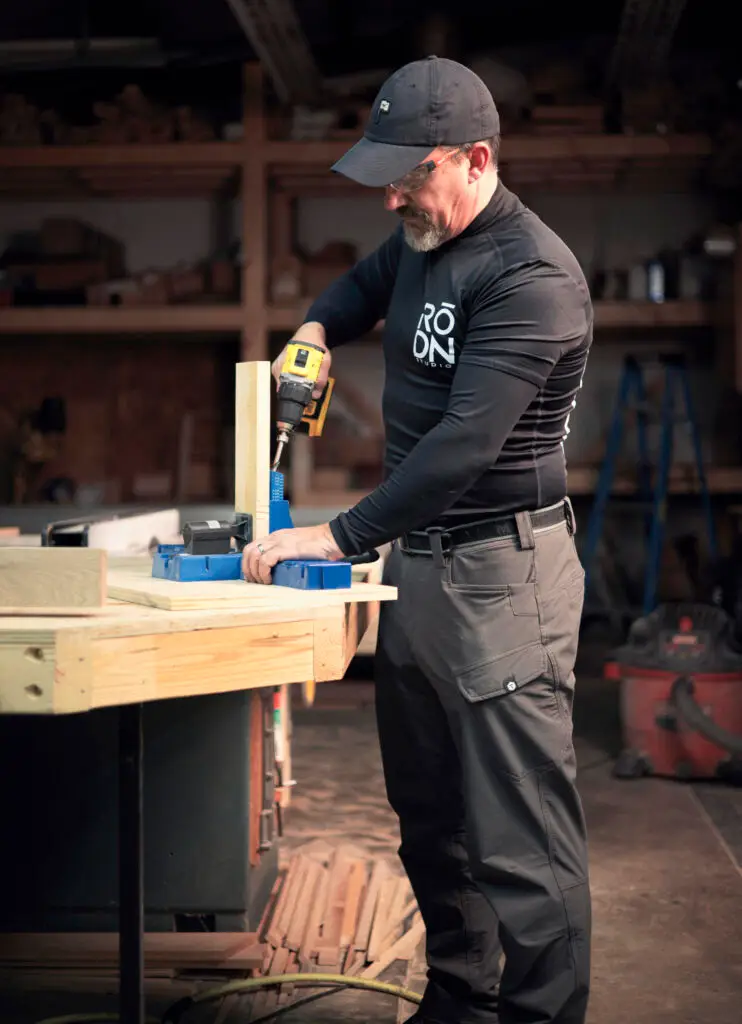
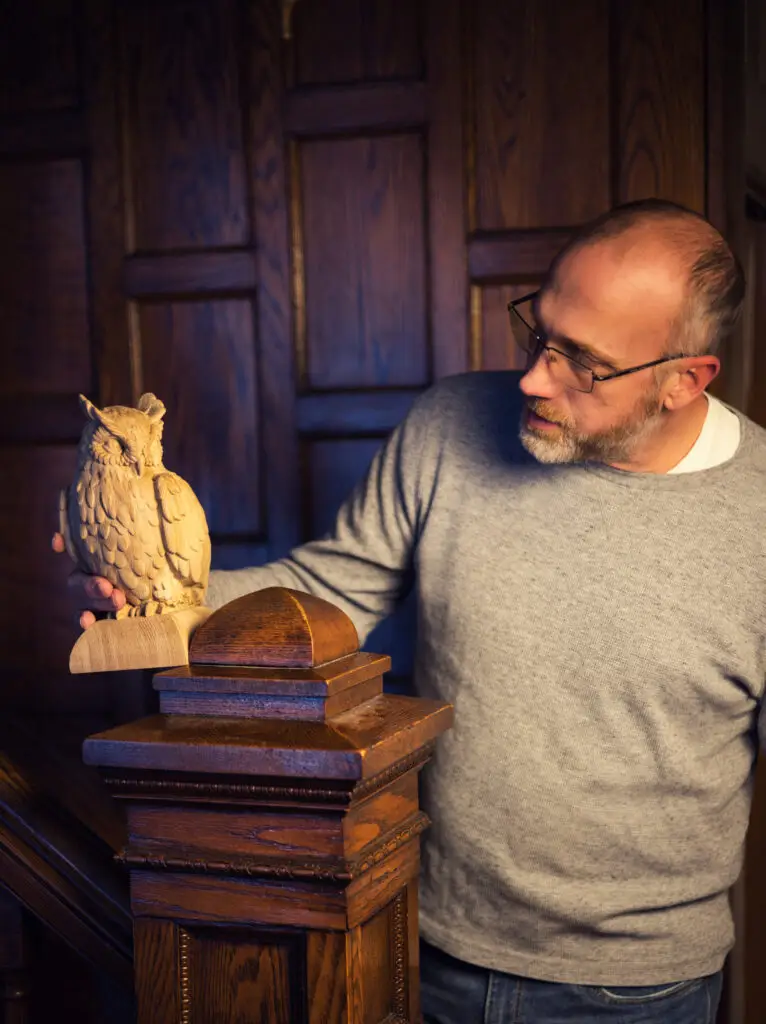
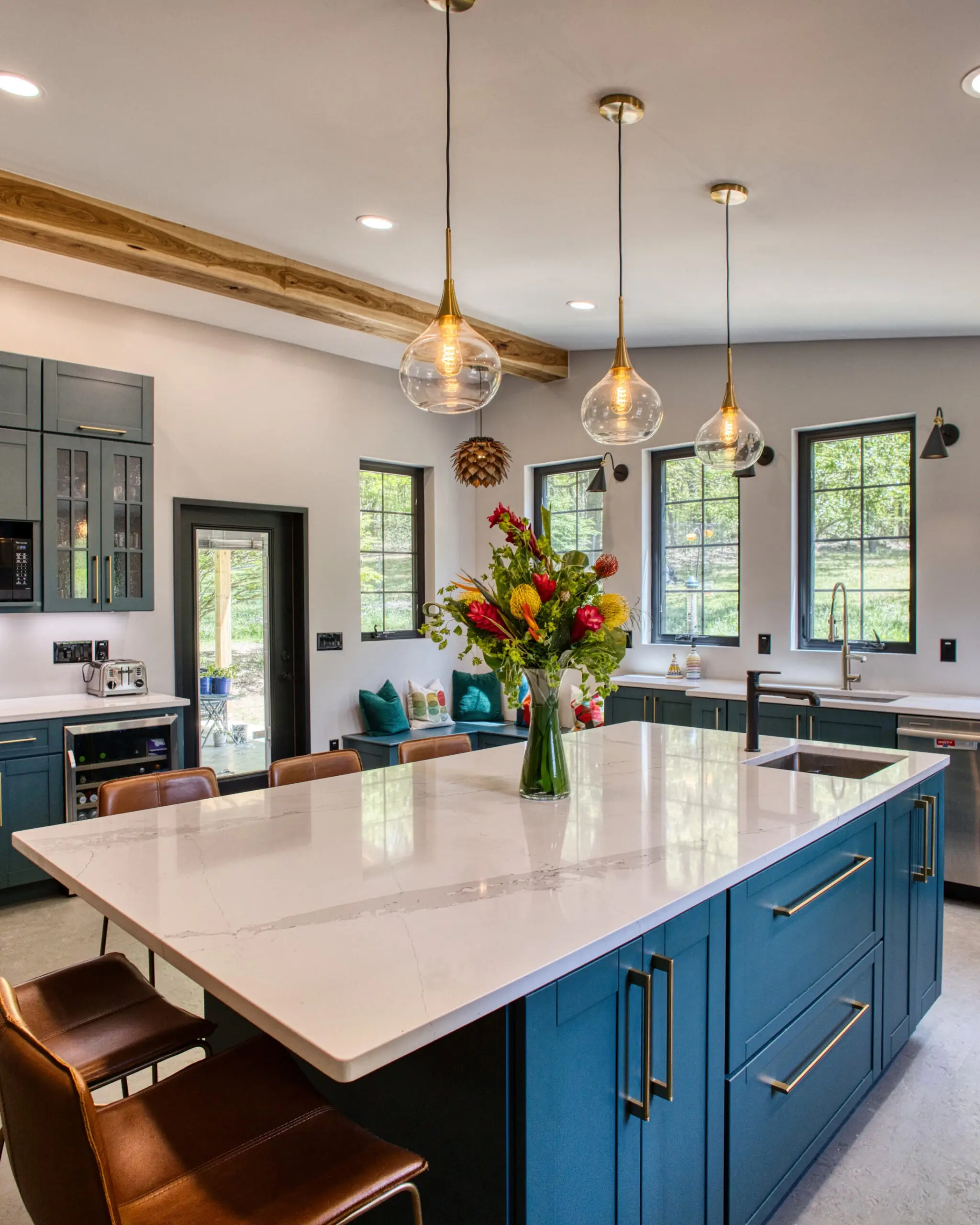
Cabinetry and millwork are parts of a home that define its style and are intended to last for decades. They also support how we use our homes, from preparing meals to storing, cleaning, and everyday use.
When using stock or semi-custom cabinets, compromises are made to make them work for the layout. Options and finishes are limited and designs can feel cookie-cutter rather than personal.
There are national brands that offer custom sizing, but with special order upcharges and longer lead times. Local custom cabinet shops can create cabinets to your exact specifications, but that can take even longer. Small shops can have fewer options than national brands. Costs are also much higher compared to semi-custom lines.
If you don’t want to wait months and pay special order upcharge fees, it can feel like there is no choice but to compromise. But you don’t have to.
Often a renovation includes retrofit mechanical systems or weatherization upgrades to make the home more comfortable for modern living. If older construction methods and materials are not taken into consideration, new problems can occur, such as mold and trapped moisture.
Planning is critical. Performing a full site assessment and inspection before design begins is essential to understanding the true scope of a project. Sometimes hidden defects or conditions take precedence over aesthetic improvements.
Often a renovation includes retrofit mechanical systems or weatherization upgrades to make the home more comfortable for modern living. If older construction methods and materials are not taken into consideration, new problems can occur, such as mold and trapped moisture.
Planning is critical. Performing a full site assessment and inspection before design begins is essential to understanding the true scope of a project. Sometimes hidden defects or conditions take precedence over aesthetic improvements.
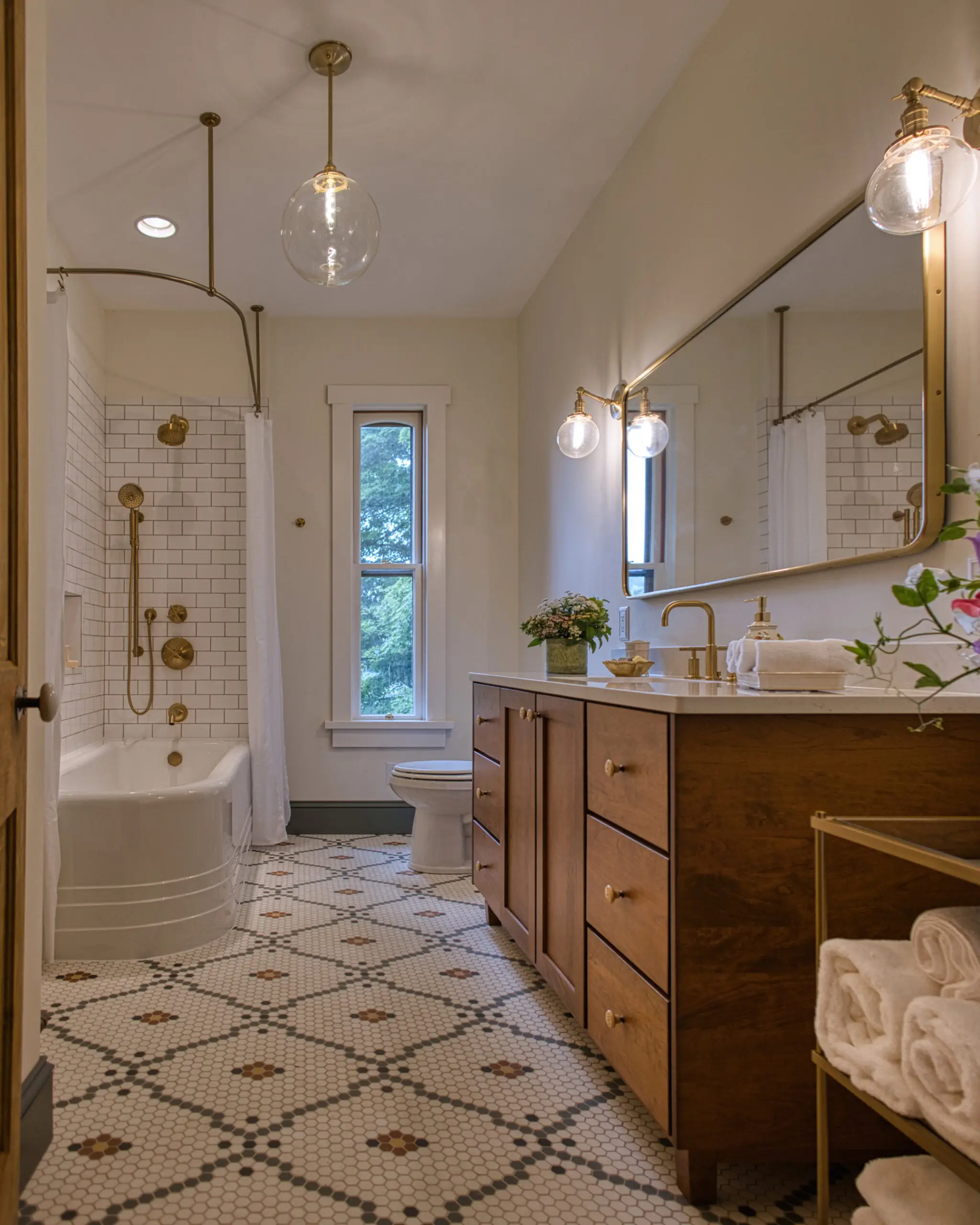
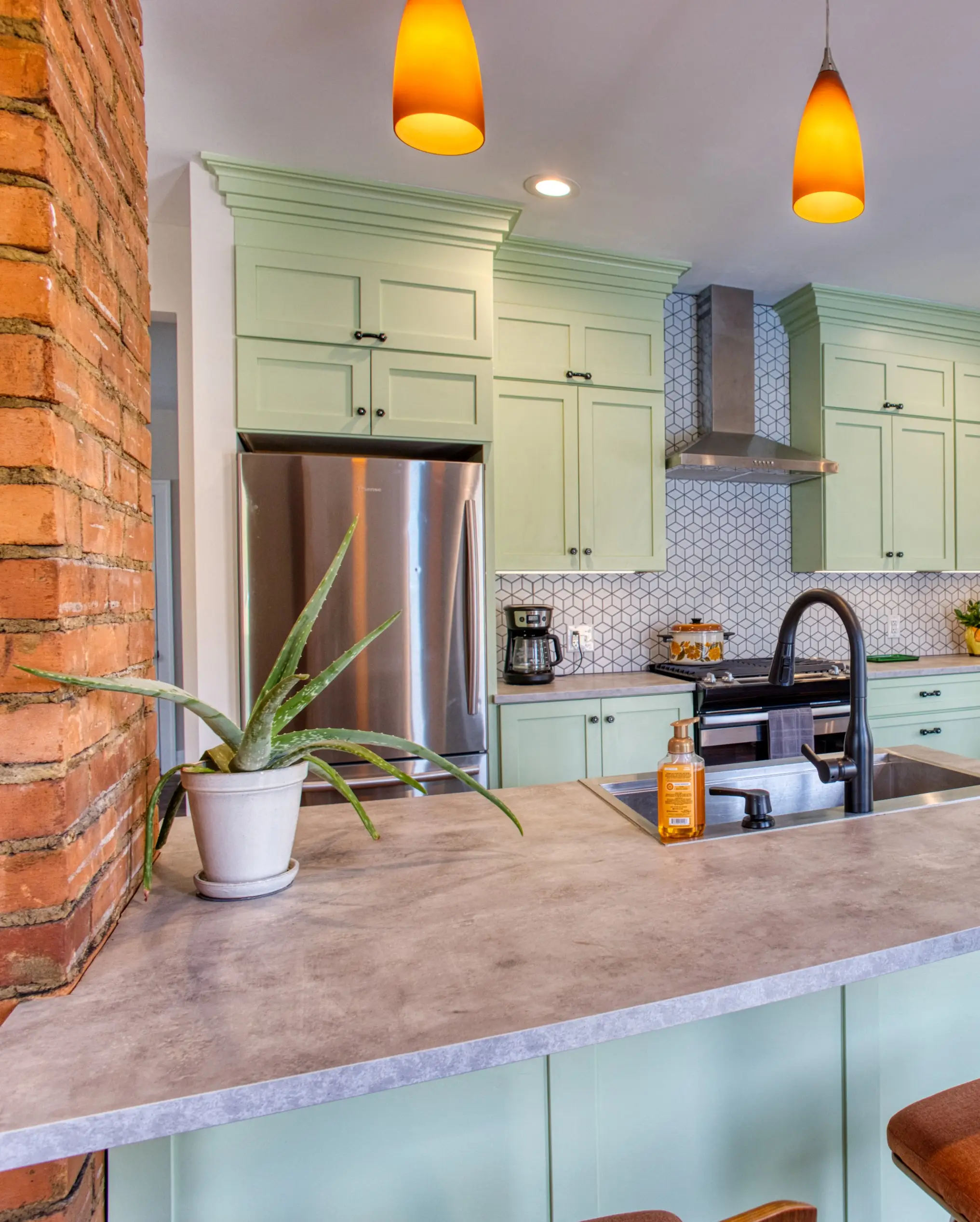
You may have heard terms like human-centric design, neurodesign, or neuroaesthetics. These are different labels, but they point to the same shift in architecture and design. We’re used to hearing “form follows function,” but these ideas introduce another way of thinking: “form follows feeling.” We feel spaces in a physical way that researchers are now studying and measuring.
Humans instinctively interpret balance, symmetry, and proportion as beauty because these qualities help the brain process a space efficiently. Balanced and coherent environments can reduce cognitive load and stress.
Humans are also hardwired to seek patterns and edges in our environment. If a space is confusing or lacks coherent patterns and edges, our brains work harder, which can make us feel tired or uncomfortable, even if the space looks interesting.
As people evolved, before shelter became architecture, we gravitated toward spaces that provided security while still allowing us to see out into the world, to watch for opportunity as well as danger.
Think about when you go out to a restaurant today. Most people choose booths against walls or tables along the edges, not seats in the middle of the room. The middle of a room can feel overexposed, and our primitive brains interpret that as unsafe. We may not think about it consciously, but we feel it.
Our brains also respond to color, material, and nature. Colors can be thoughtfully chosen to boost mood or promote relaxation. The use of natural elements and organic patterns, often referred to as biophilic design, can create calming, restorative environments.
Human-centric design puts people first. It focuses on how a space will actually be used. It also focuses on how it will feel to live in. Every design is shaped around the people who will be there, and their wellbeing.
When it’s right, you can feel it. Beauty isn’t just something added on at the end. It’s the sum of all of these elements and how we experience a space.
You may have heard terms like human-centric design, neurodesign, or neuroaesthetics. These are different labels, but they point to the same shift in architecture and design. We’re used to hearing “form follows function,” but these ideas introduce another way of thinking: “form follows feeling.” We feel spaces in a physical way that researchers are now studying and measuring.
Humans instinctively interpret balance, symmetry, and proportion as beauty because these qualities help the brain process a space efficiently. Balanced and coherent environments can reduce cognitive load and stress.
Humans are also hardwired to seek patterns and edges in our environment. If a space is confusing or lacks coherent patterns and edges, our brains work harder, which can make us feel tired or uncomfortable, even if the space looks interesting.
As people evolved, before shelter became architecture, we gravitated toward spaces that provided security while still allowing us to see out into the world, to watch for opportunity as well as danger.
Think about when you go out to a restaurant today. Most people choose booths against walls or tables along the edges, not seats in the middle of the room. The middle of a room can feel overexposed, and our primitive brains interpret that as unsafe. We may not think about it consciously, but we feel it.
Our brains also respond to color, material, and nature. Colors can be thoughtfully chosen to boost mood or promote relaxation. The use of natural elements and organic patterns, often referred to as biophilic design, can create calming, restorative environments.
Human-centric design puts people first. It focuses on how a space will actually be used. It also focuses on how it will feel to live in. Every design is shaped around the people who will be there, and their wellbeing.
When it’s right, you can feel it. Beauty isn’t just something added on at the end. It’s the sum of all of these elements and how we experience a space.


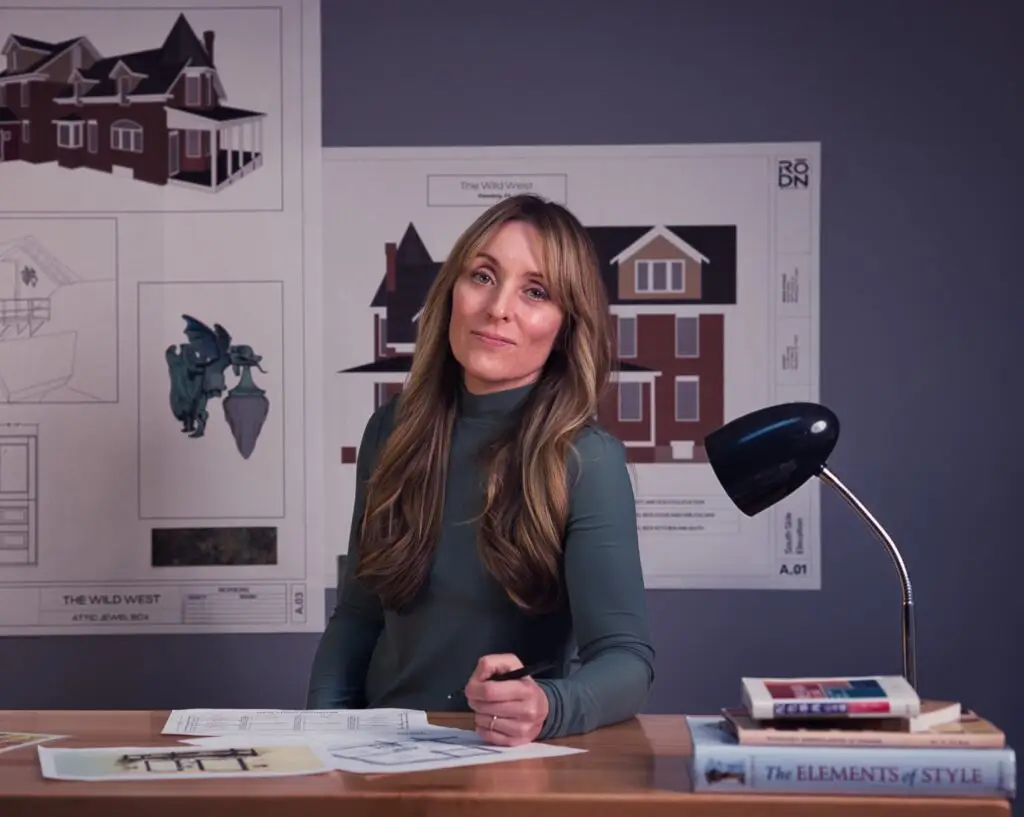
As part of my design process, I use 3D to help clients (and myself) see a design more clearly. I use it as a working tool to make decisions, refine dimensions, and test ideas quickly.
A 2D floor plan is usually enough to understand the basic layout and flow. But once decisions start involving fixtures, finishes, cabinetry, furniture, and light, it gets much harder to picture everything accurately. Viewing a 3D model makes those decisions easier to see and understand.
Our memories also tend to fill in gaps in unhelpful ways. We might be picturing how something looked in a catalog or showroom, not how it will actually sit in our home, with our layout, proportions, and constraints. Seeing a design before it’s built helps reveal missed opportunities and potential issues early, when adjustments are still easy to make.
For renovation projects, I start by documenting the existing structure and creating a model of what’s there before any changes are made.
During the design phase, I often work with both 3D models and 360 photos of the space. This allows us to move through the room, look up at ceilings, down at floors, and check the locations of key elements without guessing. This is especially helpful for out of town clients, who can understand the space clearly without needing to be on site.
Beyond modeling rooms and layouts, I also use 3D to study individual elements like custom cabinetry, built-ins, lighting, and other architectural details. Modeling these pieces helps dial in proportions and understand how they relate to the surrounding space.
A 3D model is just one tool, not the whole story. I develop material and finish palettes with physical samples you can touch and feel, and I build mood boards and storyboards as the design evolves. This helps connect finishes, textures, colors, and details before anything is finalized.
As part of my design process, I use 3D to help clients (and myself) see a design more clearly. I use it as a working tool to make decisions, refine dimensions, and test ideas quickly.
A 2D floor plan is usually enough to understand the basic layout and flow. But once decisions start involving fixtures, finishes, cabinetry, furniture, and light, it gets much harder to picture everything accurately. Viewing a 3D model makes those decisions easier to see and understand.
Our memories also tend to fill in gaps in unhelpful ways. We might be picturing how something looked in a catalog or showroom, not how it will actually sit in our home, with our layout, proportions, and constraints. Seeing a design before it’s built helps reveal missed opportunities and potential issues early, when adjustments are still easy to make.
For renovation projects, I start by documenting the existing structure and creating a model of what’s there before any changes are made.
During the design phase, I often work with both 3D models and 360 photos of the space. This allows us to move through the room, look up at ceilings, down at floors, and check the locations of key elements without guessing. This is especially helpful for out of town clients, who can understand the space clearly without needing to be on site.
Beyond modeling rooms and layouts, I also use 3D to study individual elements like custom cabinetry, built-ins, lighting, and other architectural details. Modeling these pieces helps dial in proportions and understand how they relate to the surrounding space.
A 3D model is just one tool, not the whole story. I develop material and finish palettes with physical samples you can touch and feel, and I build mood boards and storyboards as the design evolves. This helps connect finishes, textures, colors, and details before anything is finalized.
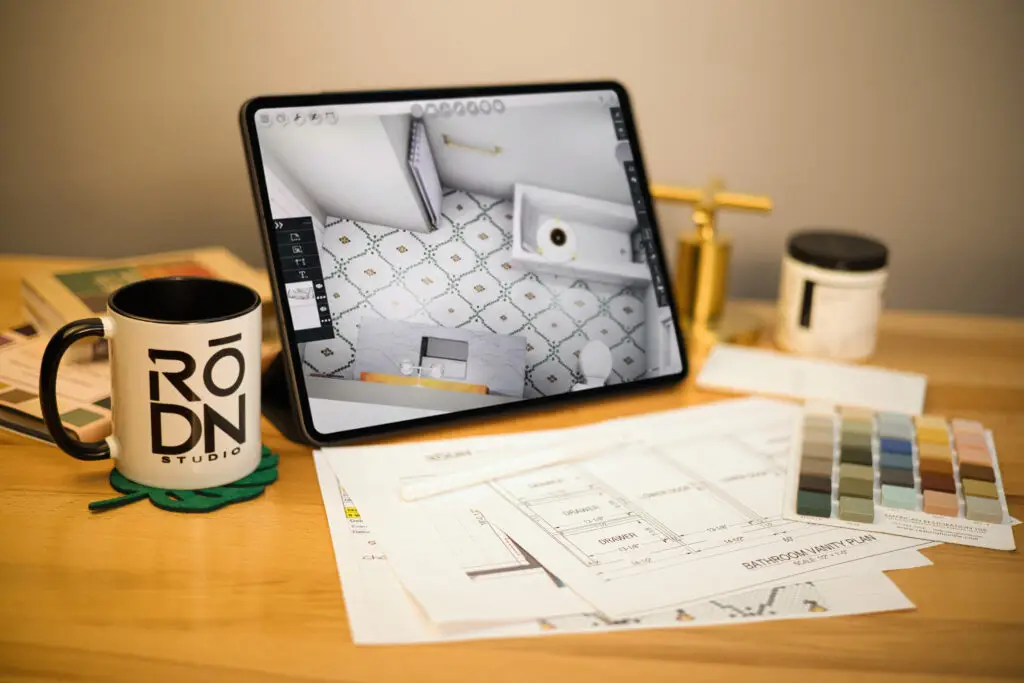
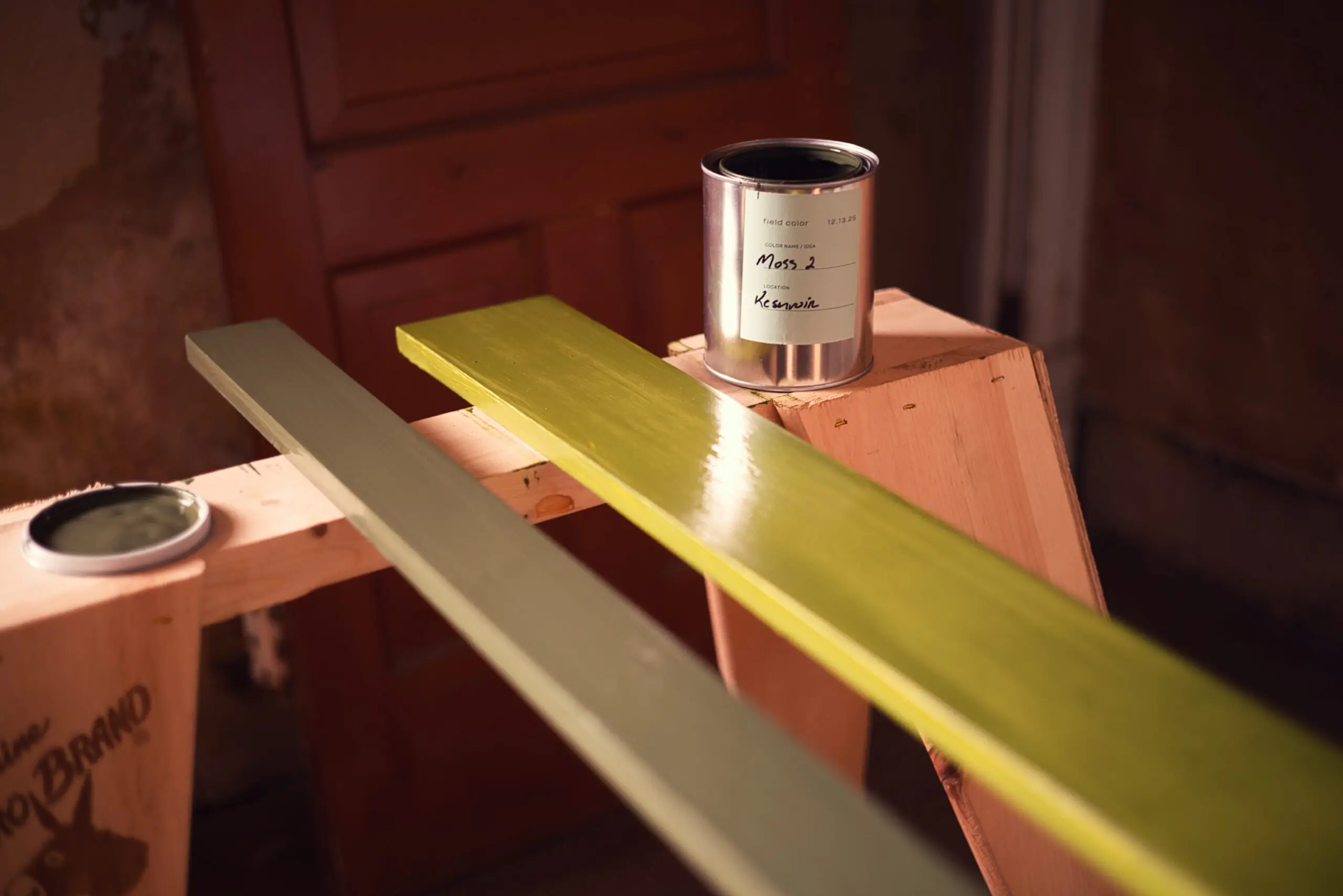
RŌDN Studio works with clients in two primary ways:
1. Full-service design with construction coordination
For clients within Pennsylvania and our regional service area, we offer full-service design. This includes planning, design development, materials and finish selection, cabinetry and millwork design, specifications, and coordination and support across all phases of the project through construction.
Custom cabinetry and architectural millwork may also be engaged as a standalone scope for select regional projects.
2. Design-only and specifications
For clients with US-based projects, we offer design-only services and materials/finish specifications. Additional consultation may be available to support your contractor in implementing the design, as appropriate.
Yes. RŌDN Studio can work alongside an existing architect or designer, or provide focused design support for projects with established plans.
Yes. RŌDN Studio offers one-hour virtual consultations held directly with Roberta. These are client-led advisory sessions focused on one or two key topics, such as renovation planning, materials and finishes, kitchens and baths, working with contractors, or evaluating existing conditions before remodeling.
Find out more about booking a Strategy Session
Yes. Kitchens and baths are a core part of RŌDN Studio’s work and can be engaged as standalone projects or as part of a larger renovation.
Yes. Many RŌDN Studio clients live outside Pennsylvania or outside the United States but have homes or projects in Pennsylvania and the surrounding region. For regional projects, we can act as your local representative, coordinating with contractors, visiting the property as needed, and keeping you informed with photos and documentation so decisions can be made confidently from a distance.
For projects elsewhere in the U.S., RŌDN Studio typically works in a design-only capacity, providing clear plans, selections, and guidance that your local contractor can implement.